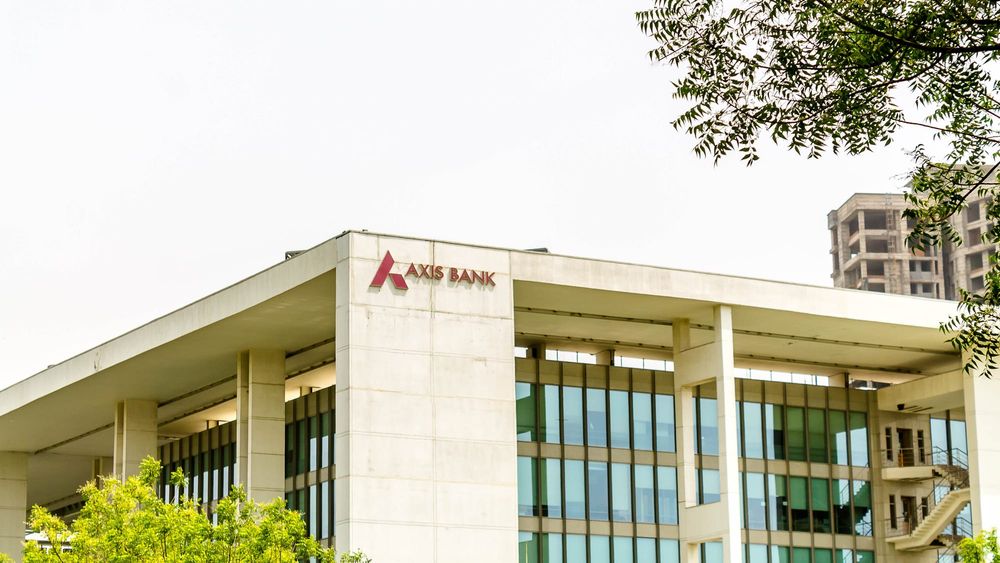
Axis Bank has indicated that it is actively evaluating bolt-on acquisitions in wealth management and digital lending, with management signalling a readiness to pursue small-to-mid-sized deals that can accelerate growth in those two segments once the integration of Citibank India's consumer banking operations is substantially complete. The bank's new chief executive has made selective M&A a stated strategic priority, positioning the institution to build capabilities through targeted transactions rather than relying exclusively on organic investment.
The bank acquired Citibank India's consumer franchise in 2023 in a transaction that added a significant high-net-worth customer base, an established credit card portfolio, and a wealth management platform to Axis's existing retail offering. That integration process is now nearing completion, freeing up management bandwidth and operational capacity to assess further acquisitions without the distraction of a large-scale systems and people integration running in parallel.
NEW CHIEF EXECUTIVE SETS M&A DIRECTION
The push towards selective acquisitions reflects the strategic priorities communicated by Axis Bank's new chief executive, who has identified digital financial services and wealth management as two areas in which the bank can deepen its competitive position through targeted deals rather than greenfield build-out alone. The approach is described as financially disciplined, focusing on targets that offer complementary technology, customer access, or product capabilities rather than scale for its own sake, with strict return thresholds applied to any potential transaction.
In the wealth management segment, Axis has ambitions to serve a growing affluent and mass-affluent population whose demand for investment products, portfolio management, and structured financial planning has expanded materially as Indian household wealth has grown. A bolt-on acquisition could bring specialist technology platforms, investment talent, or a distribution network operating in geographies or customer tiers where the bank's own penetration remains more limited.
Digital lending represents a complementary opportunity. Axis has already invested significantly in its own digital credit infrastructure and data analytics capabilities, but a targeted acquisition of a fintech lender or digital origination platform could accelerate access to proprietary underwriting algorithms, alternative data sources, or established customer segments where the bank's brand and direct reach are less developed than in its core business.
INTEGRATION EXPERIENCE INFORMS DEAL CRITERIA
The Citibank India experience provides Axis Bank with a detailed and recent reference point for managing post-merger integration. Absorbing a consumer bank with different technology architecture, product pricing conventions, and service standards is an operationally intensive exercise that demands sustained management focus over an extended period. The bank's leadership has indicated that complexity of integration will be an explicit criterion in evaluating future acquisition targets, favouring deals where the operational and cultural overlap is manageable.
Smaller, more narrowly focused targets in fintech or wealth advisory are generally more contained integration exercises than large consumer banking operations, making bolt-on deals particularly suited to a strategy that aims to acquire capabilities without disrupting the performance of the core franchise. The bank has communicated that capital discipline will be maintained throughout, ensuring that any transaction is assessed rigorously against hurdle rates before proceeding.
Axis Bank is India's third-largest private sector lender by total assets. Its move towards selective M&A following the completion of the Citibank integration reflects a broader pattern among leading Indian private banks that are looking to combine organic growth with capability-enhancing acquisitions as the domestic financial services market continues its rapid expansion and competition for high-value customer segments intensifies.