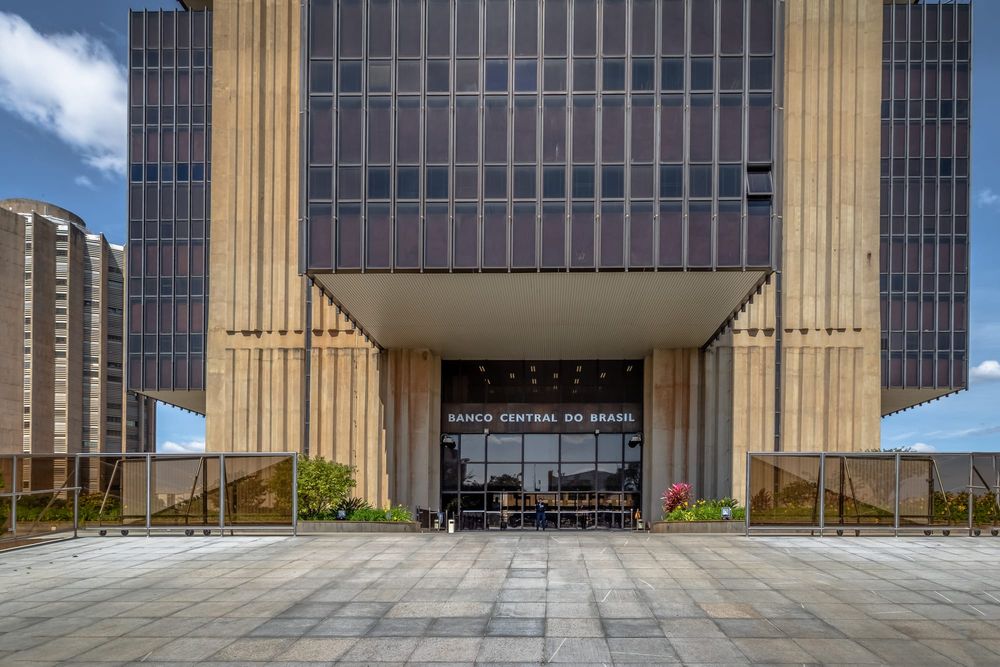
Brazil's Monetary Policy Committee, known as Copom, voted unanimously on Wednesday to cut the Selic benchmark interest rate by 25 basis points, bringing it to 14.75% and delivering the country's first rate reduction since May 2024. The decision, announced on 18 March, ended a nine-month hold during which the Selic had been maintained at 15% as the committee assessed whether the conditions for easing had been sufficiently established. The committee described the move as a calibration of monetary policy rather than the opening of an aggressive or open-ended easing sequence.
The unanimous vote was a notable feature of the decision, distinguishing it from periods of internal disagreement that have occasionally characterised Copom deliberations in more contentious policy environments. Unanimity signals that all members of the committee reached the same conclusion about the appropriate timing and size of the move, lending additional authority to the calibration framing and reducing the risk that markets might interpret the cut as the start of a more rapid easing phase than the committee intends to deliver. The language used by Copom in its statement is expected to be parsed closely for guidance on what follows.
NINE MONTHS ON HOLD BEFORE THE FIRST MOVE
The length of the hold — nine months at 15% — reflects the caution Copom has exercised in managing Brazil's complex and historically volatile inflation dynamics. Price pressures in Brazil have been shaped by a combination of domestic demand conditions, energy and food costs, currency movements and inflation expectations that have at times been difficult to anchor. By waiting through an extended hold before initiating the first cut, the committee sought to ensure that the conditions for a durable reduction in the policy rate had been firmly established before acting, rather than cutting prematurely and having to reverse course if inflation re-accelerated.
The decision to cut by only 25 basis points — rather than a larger move that some emerging-market central banks have used to launch easing cycles — is consistent with Copom's characterisation of the step as a calibration. A modest initial reduction allows the committee to test the market reaction and monitor inflation dynamics before committing to a series of similar or larger moves. Brazilian inflation expectations and the behaviour of the real exchange rate will be closely watched in the weeks following the decision as early indicators of how the market has absorbed the news.
OUTLOOK FOR BRAZIL'S RATE PATH
Copom will meet again in May 2026 to reassess whether incoming data on inflation, economic activity, fiscal developments and the global environment support a continuation of the easing that began with Wednesday's decision. Brazil's headline and core inflation readings, the trajectory of the real and the behaviour of long-term inflation expectations will all be key inputs into that deliberation. Any sign that price pressures are re-accelerating could lead the committee to pause, while weaker-than-expected activity data and well-anchored expectations might support a further reduction.
At 14.75%, the Selic rate remains historically elevated and continues to impose significant restraint on credit conditions and economic activity across Brazil. Real interest rates in Brazil remain among the highest in the world even after Wednesday's cut, a consequence of the country's history with inflation that has required its central bank to operate with a substantial nominal rate buffer. That buffer gives Copom considerable room to ease further over time if the inflation outlook permits, while the calibration framing for this first move signals that the committee intends to proceed carefully rather than rush.