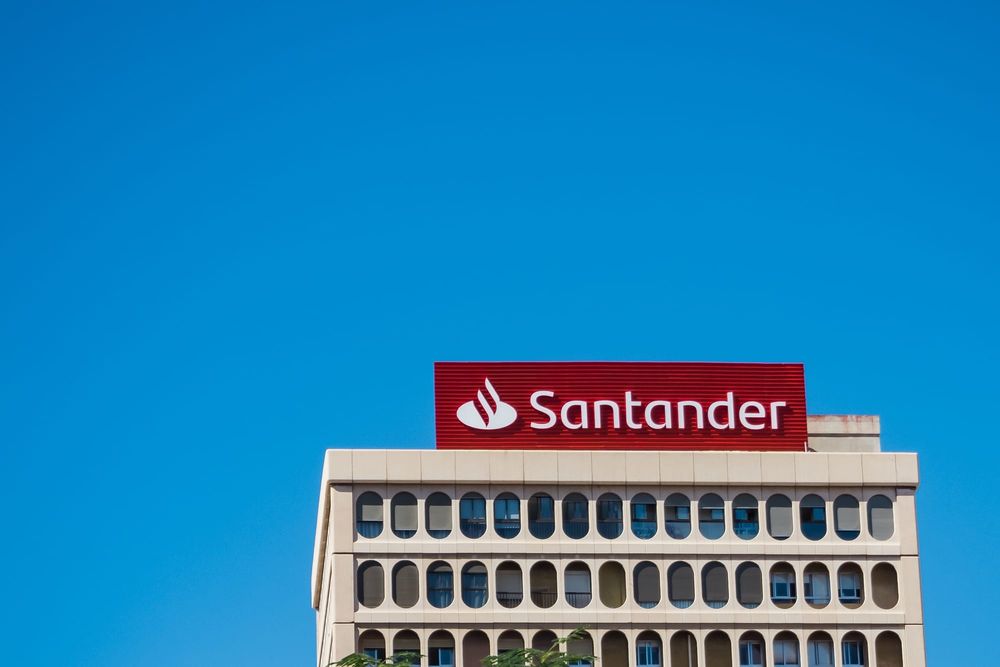
Banco Santander announced on 3 February 2026 that it had entered into a merger agreement with Webster Financial Corporation in a cash-and-stock transaction valued at approximately $12.3 billion. The deal, which would see Webster shareholders receive $48.75 in cash plus 2.0548 Santander American depositary shares for each Webster share they hold, would combine the two institutions into an entity with approximately $325 billion in assets and establish Santander as a top-ten retail and commercial bank in the United States.
For Santander, the acquisition represents the most transformative move the Spanish banking group has made in the US market since it first established a retail banking presence in the Northeast. Webster Financial, headquartered in Stamford, Connecticut, operates an established commercial and retail banking franchise concentrated in the northeastern United States — precisely the market where Santander already has its deepest American roots, making the geographic overlap both a source of cost-saving opportunity and a potential focal point for regulatory scrutiny during the approval process.
DEAL TERMS AND COMBINED ENTITY PROFILE
The $12.3 billion valuation is structured as a blended cash-and-stock consideration, giving Webster shareholders both immediate liquidity through the cash component and ongoing exposure to Santander's broader performance through the ADS element. The combined entity's approximately $325 billion asset base would place it firmly within the tier of large regional and near-national US banks, above the threshold that has historically attracted the most intense regulatory attention but well below the systemic importance designation that applies to the largest global institutions with US operations.
The creation of a top-five deposit franchise in the Northeast is a particularly significant commercial ambition within the deal rationale. Deposit market share in the Northeast is fiercely competitive, with large national banks, regional lenders, and community institutions all competing for the same pool of retail and commercial depositors. A combined Santander–Webster franchise would have materially greater deposit scale in the region, improving its funding profile and giving the merged bank a stronger platform from which to compete for corporate and commercial relationships across the corridor.
REGULATORY PATH AND STRATEGIC SIGNIFICANCE
As a transaction that would create a large bank in a market where regulators have shown heightened interest in the competitive effects of consolidation, the Santander–Webster merger will face comprehensive review from US banking agencies. The deal requires approval from the relevant federal and state regulators before it can close, a process that is expected to take a number of months given the size of the combined institution and the regulatory environment in which it is being proposed.
For Santander, completing the acquisition would represent a decisive statement about the strategic importance it places on the US market. The group has maintained a US retail banking presence for many years, but the Webster deal would upgrade that position from a significant regional player to a genuine top-ten national competitor with the scale to invest meaningfully in technology, product development, and talent acquisition across the country.
Webster Financial's board has already endorsed the terms of the merger agreement, and the transaction now moves into the regulatory review phase, where the combined entity's market position, competition effects, and community reinvestment commitments will be among the factors assessed by the relevant authorities before a final decision is reached on the merger application.