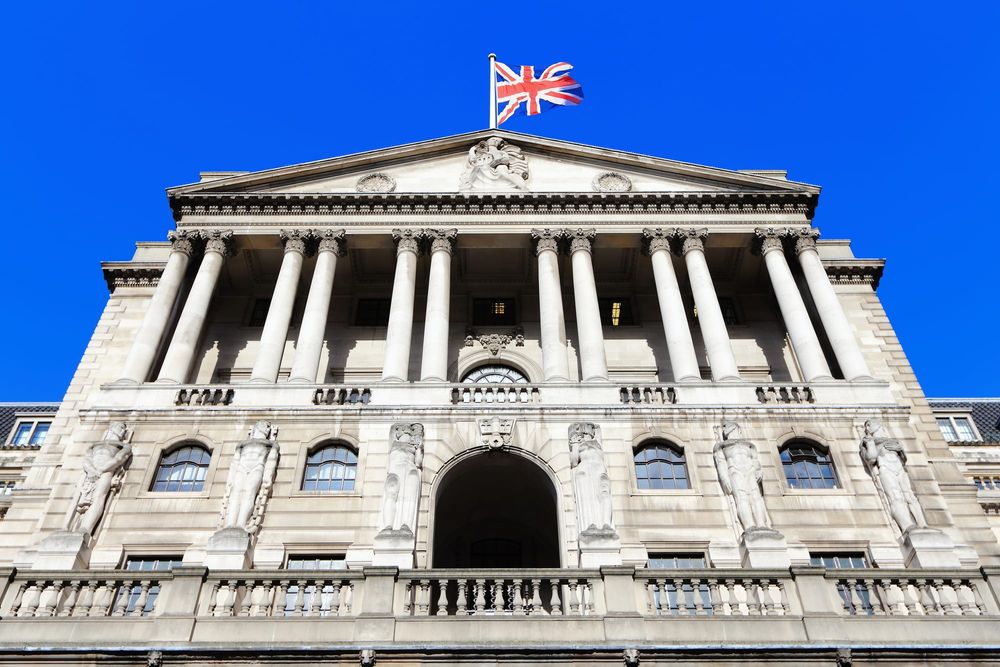
The Bank of England's Monetary Policy Committee voted five to four to hold Bank Rate at 3.75% at its February 2026 meeting, a decision that lays bare the growing division within the nine-member committee over the appropriate pace of monetary easing. The four dissenting members supported an immediate reduction of 25 basis points, reflecting the view that the economy may need additional support even as inflation risks continue to cloud the outlook and prevent a more definitive pivot towards accommodation.
The MPC identified the ongoing conflict in the Middle East as an upward risk to the inflation forecast, noting that energy price developments flowing from geopolitical pressures in the region could add materially to domestic cost pressures in the coming months. The committee expects a rise in energy prices to push the Consumer Prices Index above 3%, a level meaningfully above the Bank's 2% target, and that assessment has complicated the case for an accelerated easing cycle at a juncture when some members would otherwise have preferred to move more quickly.
CLOSE VOTE SIGNALS INTERNAL DIVISIONS
A five-to-four split is among the narrowest possible outcomes for the nine-member MPC and represents a meaningful signal about the committee's internal balance on the rate question. The four members who voted for an immediate cut appear to be placing greater weight on the downside risks to UK economic growth and on the accumulated lagged effect of prior rate increases that have yet to work fully through the economy, while the majority has chosen to prioritise caution in the face of an uncertain inflation outlook.
The February decision follows a period in which the MPC has been carefully managing the transition from a tightening cycle that brought Bank Rate to multi-decade highs. Having begun to ease in the second half of 2025, the committee is now navigating a narrower and more difficult path: inflation has not returned durably to target, yet the risks to growth from sustained monetary restrictiveness are also present and accumulating. The closeness of the vote suggests that the balance could shift at any of the committee's upcoming meetings if incoming economic data alter either the inflation or growth picture sufficiently to persuade one or more members to change their position.
ENERGY AND GEOPOLITICAL RISKS IN FOCUS
Energy prices have emerged as a particular focal point for the MPC's deliberations at this meeting. The committee's assessment that CPI could exceed 3% in the near term as energy costs rise introduces a degree of caution that may anchor Bank Rate at current levels for longer than financial markets had previously priced, particularly if the geopolitical situation in the Middle East deteriorates further. The potential for supply disruptions to transmit into higher utility bills for British households adds a tangible domestic dimension to an otherwise distant geopolitical risk.
The Bank of England will publish updated economic projections alongside the minutes of its February decision, giving financial markets and observers more detail on how the MPC is modelling the inflation and growth outlook under its central scenario and under alternative risk cases. Those projections are expected to be scrutinised closely for shifts in the forecast balance, particularly around how long the committee believes energy-driven inflationary pressures are likely to persist and what implications that assessment carries for the expected trajectory of Bank Rate over the next twelve to eighteen months.