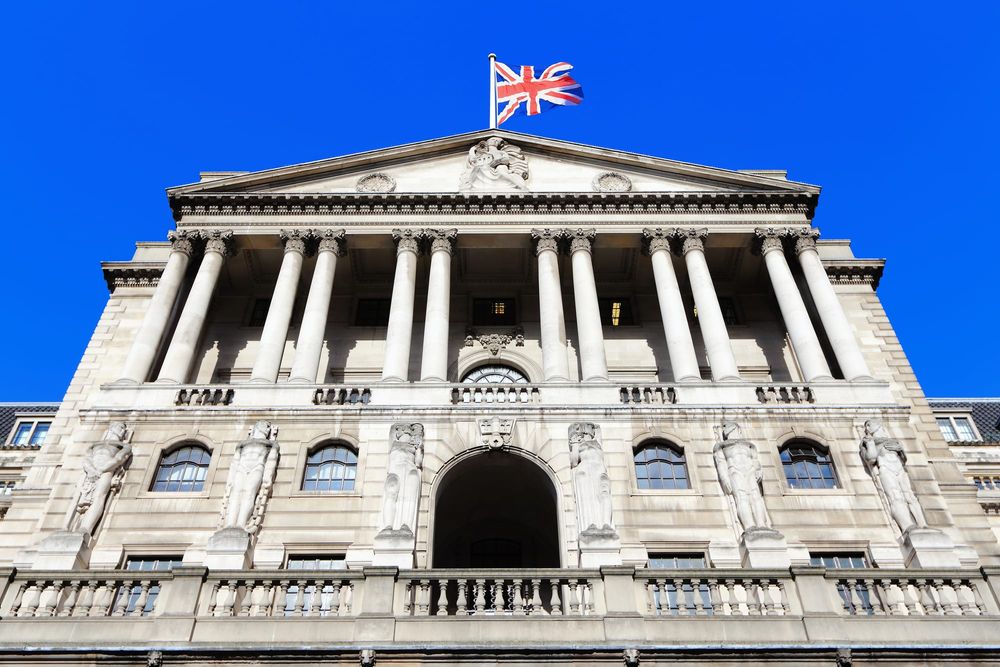
The Bank of England's Monetary Policy Committee voted to hold Bank Rate at 3.75% at its July meeting, resisting pressure from three of its nine members to raise borrowing costs by a quarter of a percentage point despite lingering concerns about the persistence of inflation.
The decision was taken on a 6-3 split, according to the minutes and monetary policy summary published on the bank's website. Members Megan Greene, Catherine Mann and Huw Pill voted for an immediate 25 basis point hike to 4.00%, arguing that a proactive increase in Bank Rate would reduce the probability of second-round effects setting in.
THREE MEMBERS DISSENT FOR A HIKE
The majority preferred to keep policy unchanged, citing clear signs of underlying disinflation in recent data, although the MPC expects CPI inflation to rise later this year as higher energy prices pass through. CPI inflation had fallen to 2.6% since the previous meeting, the committee noted, while energy prices have remained volatile and higher than before the Middle East conflict.
Nevertheless, the MPC judged that the risks to the inflation outlook were tilted to the upside, an assessment linked to the energy-price shock from events in the Middle East and the risk of second-round effects in price and wage-setting.
The three dissenting members were less reassured on the underlying disinflationary process, were concerned that second-round effects could be material and noted that inflation had exceeded the 2% target for more than five years. Their vote for a 25 basis point increase would have taken Bank Rate to 4.00%; two members had voted for an increase in June and one in April.
QUANTITATIVE TIGHTENING PROCEEDS
UK government bonds held for monetary policy purposes stood at £491 billion, the bank said, as gilt sales and maturities continued to run down the portfolio built up through the Bank's quantitative easing programmes.
The MPC has repeatedly emphasised that decisions on Bank Rate and the pace of quantitative tightening are separate, with the bond programme running in the background at a pre-announced pace and Bank Rate remaining the active tool of monetary policy.
The minutes noted that CPI inflation had fallen since the April Monetary Policy Report, largely reflecting continued moderation in services and food inflation, supported by slowing wage growth and a soft labour market.
The next Bank Rate decision is due on 17 September 2026. The Committee said it would continue to monitor a wide range of forward-looking data and intelligence to allow timely assessments of the inflation outlook. The full minutes and the monetary policy summary were published on the bank's website.