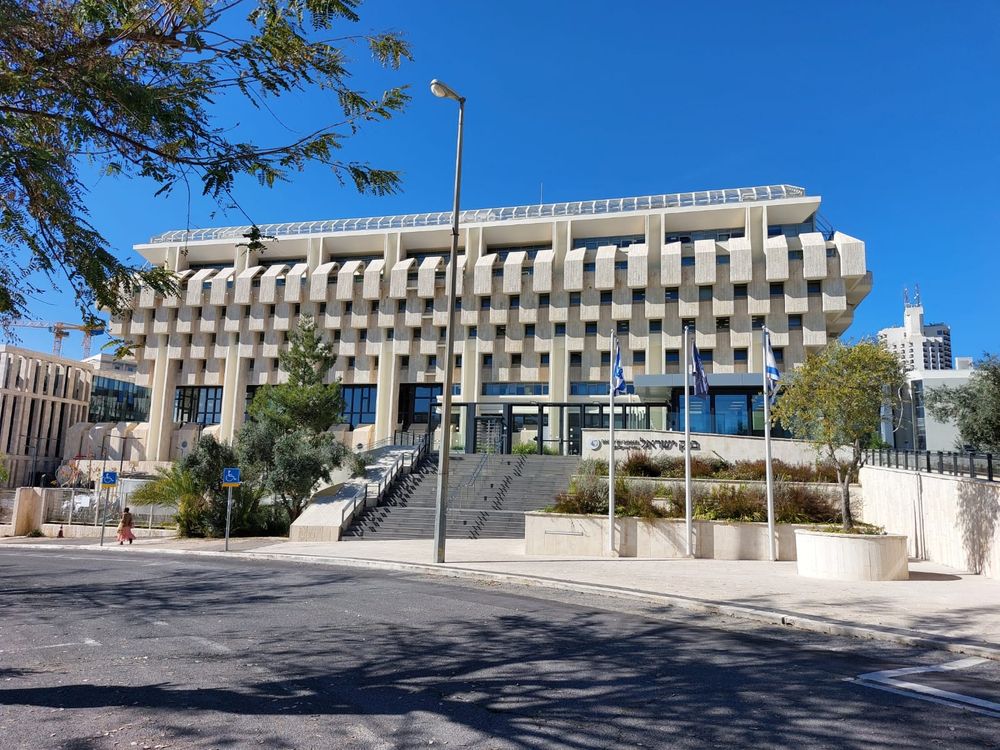
The Monetary Committee of the Bank of Israel voted unanimously on 30 March 2026 to leave the interest rate unchanged at 4.00%, citing a combination of geopolitical uncertainty and elevated inflation risks that warranted a cautious policy stance. The decision represents the second consecutive hold following the committee's cut delivered in January 2026, marking a deliberate pause as policymakers assess the rapidly evolving security and economic landscape both regionally and globally.
The committee identified the ongoing conflict with Iran and the associated spike in oil prices as a significant source of upward pressure on domestic inflation. A sustained rise in energy costs feeds directly into Israeli consumer prices through fuel, electricity, and transportation costs, complicating the inflation picture at a moment when the committee had already begun a tentative easing cycle. With oil prices elevated and the regional security environment uncertain, the committee concluded that preserving the current rate level was the appropriate response.
GEOPOLITICAL RISK DOMINATES THE COMMITTEE'S CALCULUS
The Iran conflict represents a qualitatively different challenge for Israeli monetary policy than a standard external demand shock. Beyond its direct effect on energy prices, geopolitical escalation introduces uncertainty into investment decisions, supply chains, and tourism flows that can dampen economic activity even as it lifts inflation — a stagflationary dynamic that is particularly difficult for central banks to navigate. Cutting rates into an inflationary shock driven by war-related commodity price pressures risks stoking price rises further, while holding or tightening adds financial strain to an economy already bearing significant security-related costs.
The committee's unanimous vote in favour of a hold suggests strong internal consensus around the current approach. Central bank committees often display unanimity when the external environment is sufficiently threatening to override any internal disagreement about the precise balance of risks. In this case, the combination of an oil price spike driven by regional conflict and persistent inflation concerns appears to have aligned all committee members firmly behind the decision to wait for greater clarity before resuming any easing path.
JANUARY CUT AND THE PATH AHEAD
The Bank of Israel's January 2026 rate cut was the first reduction in its current cycle, reflecting a prior assessment that inflation was moderating sufficiently to allow some easing of monetary conditions. The subsequent hold in March — now extended through the 30 March decision — indicates that the committee does not feel the conditions for a further cut are yet in place. Two consecutive holds after an initial cut are not unusual in environments where external shocks intrude on a nascent easing cycle.
The next monetary policy decision is scheduled for 25 May 2026, giving the committee almost two months to observe how oil prices evolve, whether the inflationary impulse from geopolitical risks materialises in the data, and what signals emerge from other major central banks. The Bank of Israel noted it would continue to monitor developments closely and stood ready to act as conditions required. For market participants, the key question is whether the 25 May meeting will see a return to easing or a continuation of the current pause, with the answer likely to hinge substantially on regional security developments in the intervening weeks.