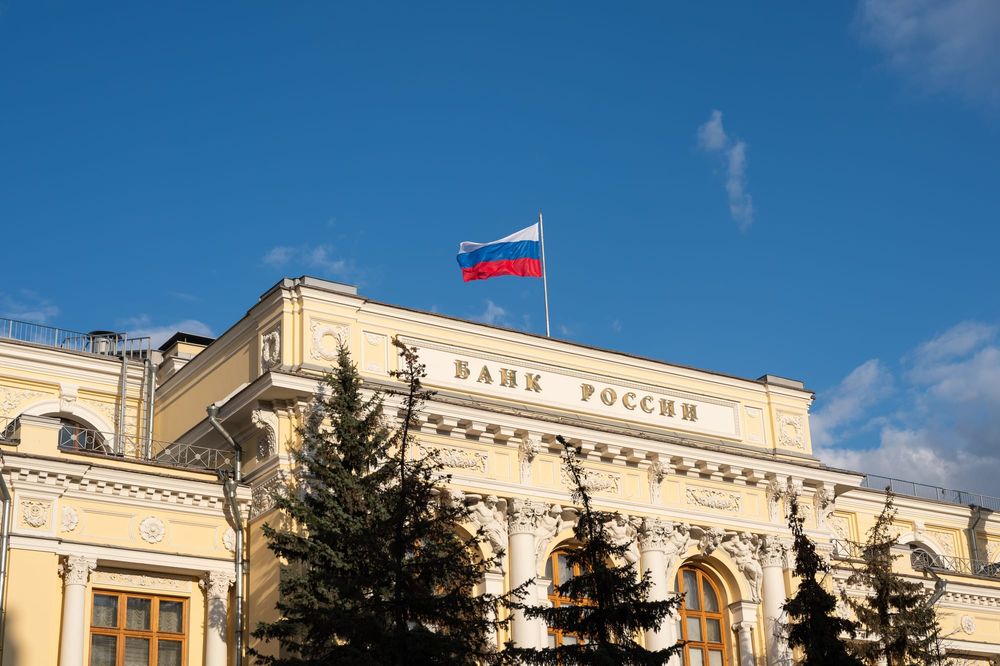
The Bank of Russia cut its key policy rate by 25 basis points to 14.25% per annum on Friday, continuing a cautious easing cycle as underlying inflation slowed and policymakers signalled that further reductions could follow if disinflation persisted across the coming months.
The decision, taken by the Board of Directors on 19 June 2026, follows a series of moves in which the central bank has begun to unwind the aggressive tightening delivered in earlier phases of the current cycle. The rate remains at a level regarded by the bank as tight in real terms and consistent with a restrictive monetary stance.
UNDERLYING INFLATION IS SLOWING
In its summary of key rate discussions, the central bank said underlying inflation was slowing, providing the room to reduce the policy rate while keeping monetary conditions restrictive enough to guide price growth back towards its medium-term goal. Policymakers characterised the environment as one in which cautious, incremental easing remained appropriate.
The bank forecast that annual inflation would decline to a range of 4.5% to 5.5% in 2026, a moderation from the elevated readings seen at earlier stages of the current cycle. Even at the lower end, the projected range remains above the central bank's 4% target, an outcome that policymakers said justified maintaining a broadly restrictive stance as the economy adjusts.
The decision was framed as consistent with the gradual pace of easing that Russian policymakers have signalled in recent communications, with the bank stressing that it would move step by step rather than delivering large cuts. That approach reflects the balance between supporting economic activity and ensuring inflation continues on a downward trajectory towards target.
FURTHER CUTS TO BE ASSESSED
The board said it would assess the need for further reductions in the key rate at upcoming meetings, keeping open the option of additional cuts if incoming data confirmed the disinflation trend. Officials have previously said that the extent and pace of any easing would depend on the sustainability of the slowdown in underlying price growth, developments in inflation expectations and the strength of domestic demand.
The June decision comes against a backdrop in which the Russian economy has continued to operate under Western sanctions imposed in response to the war in Ukraine, with the central bank managing monetary policy through a period of unusual macroeconomic dislocation. Domestic demand has remained a key focus, alongside the rouble exchange rate and its pass-through to consumer prices.
The Bank of Russia targets consumer price inflation of 4% over the medium term and uses the key rate as its principal policy instrument. It has repeatedly stressed the need for monetary conditions to remain sufficiently tight to return inflation durably to that goal, even as it begins to gradually lower nominal rates from the peaks reached in recent years.
A full press release and summary of the deliberations were published on the central bank's English-language website. The board's next scheduled meeting will provide the next opportunity to revisit the stance of policy, with markets and analysts watching for further signals on the pace of the easing cycle.