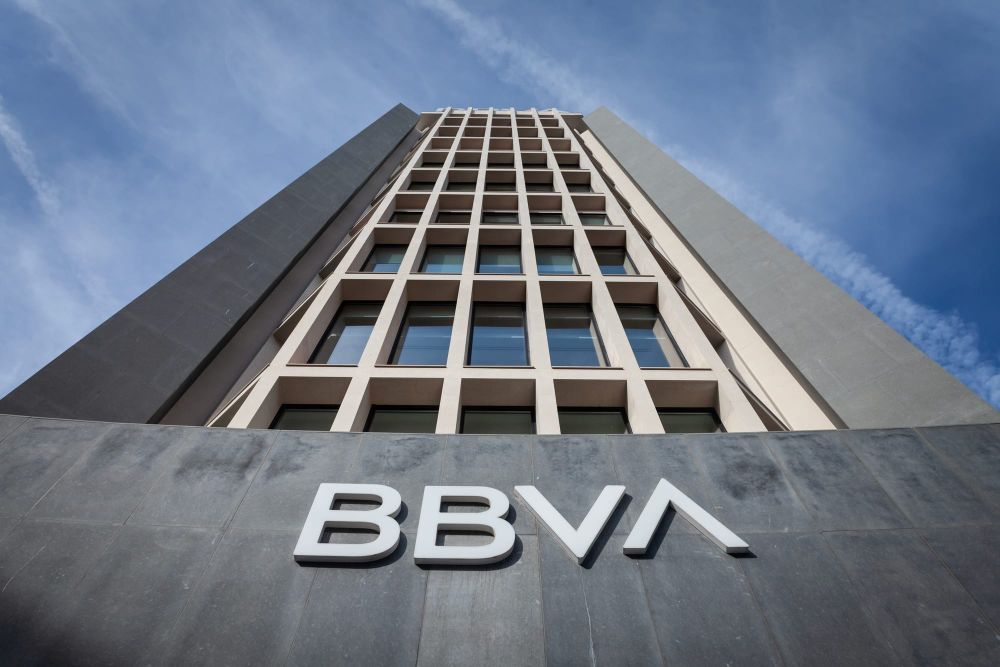
BBVA's long-running hostile bid to acquire Banco Sabadell has ended in failure after Spain's market regulator declared the public offer had a "negative outcome", bringing to a close one of the most contentious takeover battles in recent European banking history. The lender secured acceptance from just 25.33% of Sabadell's shareholders — materially below the 30% minimum required for the transaction to proceed, a threshold set by Spanish securities law as the floor for a successful public offer.
The Comisión Nacional del Mercado de Valores confirmed the result on 17 October 2025, formally closing the offer period. The outcome marks a significant defeat for BBVA, which had pressed ahead with the unsolicited approach despite sustained resistance from Sabadell's board, the Spanish government, and key institutional investors who argued the bid undervalued the target and posed risks to competition in the domestic retail banking market. BBVA had framed the deal as a route to building a stronger bank better positioned to compete across Europe and Latin America.
THRESHOLD MISSED BY WIDE MARGIN
The 25.33% acceptance rate fell some five percentage points beneath the regulatory floor that would have allowed BBVA to proceed towards a full consolidation of Sabadell. Spanish takeover rules require a bidder to cross 30% of share capital before an offer can be declared successful and further integration steps may be taken. With acceptances so far beneath that mark, the CNMV had no legal basis on which to confirm a positive result and declared the outcome of the public offer accordingly, closing the process definitively.
Sabadell had campaigned actively against the bid throughout the offer period, publishing updated financial forecasts that presented the case for the bank remaining independent. The Catalan lender argued its standalone trajectory offered shareholders superior value compared with the cash-and-shares terms put forward by BBVA. That message appeared to resonate with enough investors to deny the bidder the critical mass it needed. Some arbitrage funds that had accumulated positions in anticipation of a successful deal ultimately declined to tender, contributing to the shortfall, a dynamic that ultimately proved decisive in determining the outcome of the offer.
ONE-YEAR LOCKOUT NOW IN EFFECT
As a consequence of the failed offer, BBVA must now refrain from making any further acquisition attempts targeting Sabadell for a period of at least one year, in line with Spanish securities law. The restriction prevents the bank from launching a revised or refreshed bid during that cooling-off window, giving Sabadell a period of stability in which to execute its independent business strategy without the uncertainty of a live takeover overhanging the organisation and its management team.
The collapse of the €17 billion deal leaves both institutions recalibrating their paths forward. Sabadell now faces the task of delivering on the ambitious standalone financial targets it set out to convince its shareholders that independence was the right and better course. The bank will need to demonstrate over the coming quarters that the earnings trajectory it projected during the bid defence process can genuinely be sustained, making its forthcoming financial results closely watched by investors and analysts who ultimately supported its case for remaining an independent European lender.