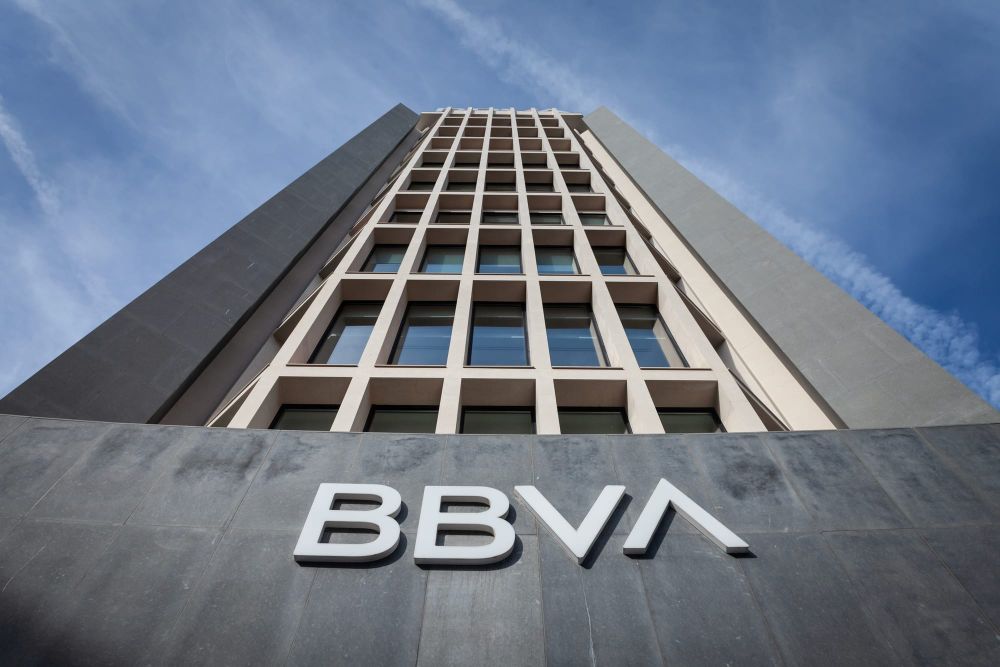
BBVA has raised its unsolicited offer for Banco Sabadell by 10%, proposing one BBVA share for every 4.8376 Sabadell shares, equivalent to €3.39 per Sabadell share and valuing the target at approximately €17 billion. The revised terms were announced on 22 September 2025.
Sabadell's chief executive responded by describing the improved offer as 'bad' and 'worse than the first', and saying he would not sell his own shares. BBVA first approached Sabadell with a merger proposal that the target's board rejected as undervaluing the franchise, after which BBVA launched its offer directly to shareholders.
TERMS AND STRUCTURE OF THE REVISED BID
Under the updated exchange ratio of 1 BBVA share per 4.8376 Sabadell shares, investors who tender their holdings would receive equity in what BBVA has argued would become one of the most significant lenders in Spain and a materially larger presence in European retail banking. BBVA has publicly framed the combination as creating value through cost synergies and cross-selling opportunities that neither institution could replicate independently, though Sabadell's management has consistently disputed those projections and maintained that the standalone case is more compelling than the acquirer acknowledges.
BBVA's board agreed not to offer any additional sweeteners beyond the revised 10% uplift and waived its right to extend the acceptance period, which runs until 10 October.
POLITICAL AND REGULATORY DIMENSIONS
The pursuit of Sabadell has generated political commentary in Spain, where some officials and trade unions have argued that the concentration of banking power in fewer hands poses risks to competition and regional lending, particularly in Catalonia, where Sabadell has its roots. The Spanish government had already intervened in June 2025, authorising the deal only on condition that BBVA and Sabadell remain separate legal entities, with autonomous management, for at least three years.