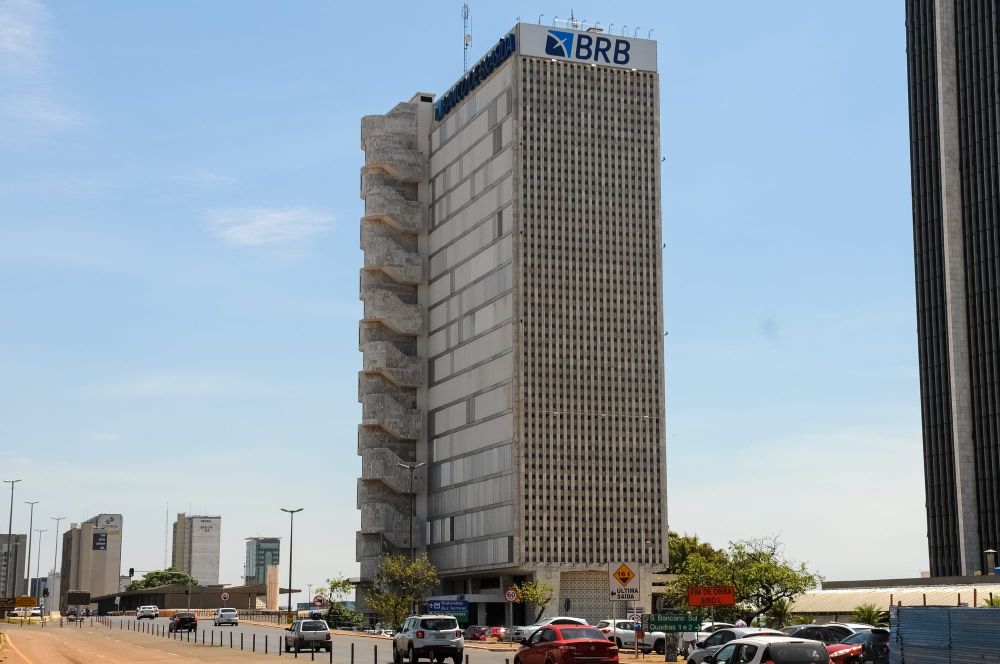
Brasília-based lender BRB has entered the formal regulatory review phase for its acquisition of a 58% stake in Banco Master, following the signing of the transaction on 28 March 2025. The deal now requires approval from Brazil's Central Bank, known as Bacen, as well as from CADE, the country's competition authority, before it can be completed and the combined entity can begin operating as a unified institution. Both reviews are expected to run across the second and third quarters of 2025, with the parallel regulatory tracks proceeding simultaneously.
The acquisition would represent a significant consolidation in Brazil's banking landscape, combining BRB — a state-controlled regional lender headquartered in the Federal District — with Banco Master, a privately held institution that expanded aggressively through acquisitions and the origination of fixed-income products in recent years. A merged entity would command meaningfully greater scale and a broader geographical and product footprint than either bank possesses independently, raising questions that both Bacen and CADE are expected to examine in detail.
STRUCTURE OF THE DEAL AND THE ASSET CARVE-OUT
The transaction has been structured to exclude approximately R$23 billion in non-core assets currently held on Banco Master's balance sheet, specifically a portfolio of precatórios — court-ordered claims securitised against public entities — and related litigation-derived holdings. The deliberate exclusion of those assets from the transaction perimeter reflects their valuation complexity and the challenge of integrating judicial claims portfolios into a conventional banking entity. Removing them from the deal presents Bacen and CADE with a more straightforward combination to evaluate: two deposit-taking institutions with lending and treasury operations.
Bacen's review will focus on the capital adequacy and risk profile of the merged institution, including an assessment of whether the combined entity would meet prudential requirements without relying on the excluded precatório portfolio. The regulator will also consider systemic implications, given that the transaction involves a state-controlled bank absorbing a privately-owned institution that had pursued an unusual growth model. CADE's separate review will assess the competitive consequences of the merger across the relevant banking and financial product markets, examining whether the combination reduces choice or creates pricing power in specific segments.
WIDER SIGNIFICANCE FOR BRAZIL'S MID-TIER BANKING
The BRB and Banco Master combination is being watched carefully by analysts tracking consolidation dynamics in Brazil's mid-tier banking segment, where competitive pressure from the country's five large universal banks and a wave of digital-first challengers has created difficult operating conditions for smaller and regional institutions. BRB's state backing provides a degree of capital certainty and access to public-sector client relationships, while Banco Master's customer deposit base and distribution infrastructure offer scale and diversification that BRB could not easily assemble organically.
The timeline for Bacen and CADE decisions has not been publicly committed to, though both processes are understood to be active and engaging with the documentation submitted by BRB. Subject to approval — which may be granted conditionally with behavioural or structural remedies — the combined institution would emerge as a more prominent player in Brazil's regional banking market, with consequences for competition, depositor access, and the broader trajectory of bank consolidation in one of the world's largest economies.