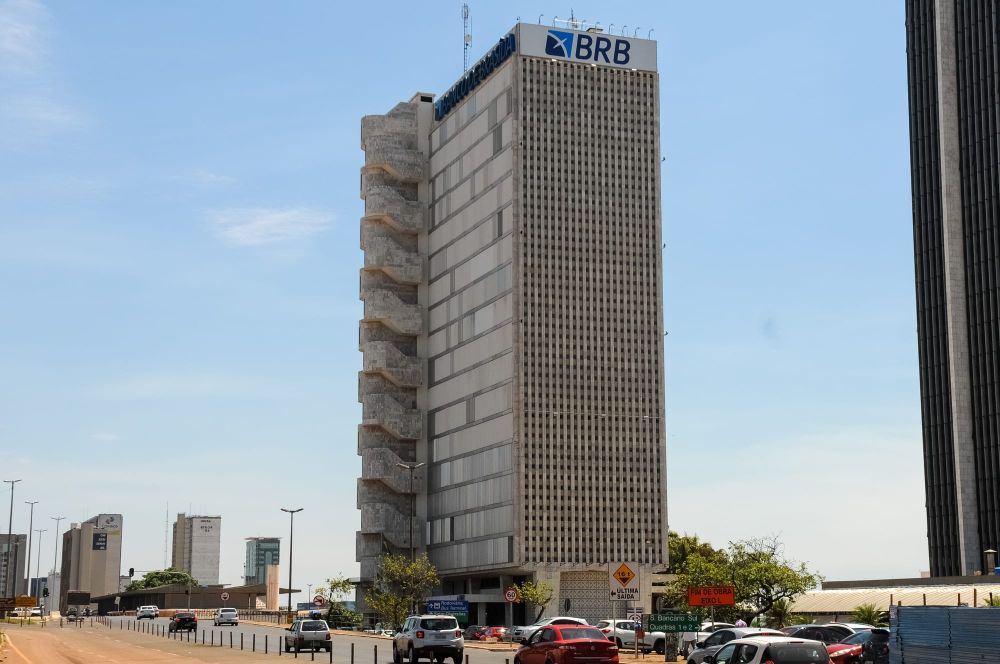
Banco de Brasília (BRB), the state-controlled lender of Brazil's Federal District, announced on 28 March 2025 the acquisition of a 58 per cent stake in Banco Master for R$2 billion, equivalent to approximately USD 351 million. The transaction, which combines a 49 per cent voting interest with 100 per cent of Banco Master's preferred shares, gives BRB effective operational control of a private-sector institution that has grown rapidly in recent years through high-yield retail products.
The deal values Banco Master at R$3.45 billion, or roughly USD 605 million. Critically, the agreed scope excludes approximately R$23 billion in non-core assets held by Banco Master, comprising precatórios — court-ordered government debts — and other judicial receivables. The carve-out of these instruments was a central condition of the negotiations, reflecting BRB's intent to acquire Banco Master's banking operations and deposit base rather than its more complex asset portfolio.
STRATEGIC RATIONALE AND MARKET POSITIONING
For BRB, the acquisition represents a significant step in its ambition to compete with Brazil's five dominant banking groups — Itaú Unibanco, Bradesco, Santander Brasil, Caixa Econômica Federal, and Banco do Brasil. Banco Master had built a substantial retail presence, particularly among customers attracted to its above-market rates on fixed-income products, giving BRB immediate access to a depositor base and distribution capacity it would take years to replicate organically.
Banco Master's growth model had attracted regulatory and market scrutiny in the period before the announcement. The bank expanded aggressively by offering high rates on Certificados de Depósito Bancário guaranteed by the Fundo Garantidor de Créditos, Brazil's deposit insurance scheme. By absorbing those liabilities into a state-controlled entity, the transaction restructures the risk profile of the combined institution in a way that analysts said may ease concerns about systemic exposure.
The structure of the share acquisition — separating voting and preferred classes — gives BRB day-to-day control and strategic direction while the residual stake remains with existing Banco Master shareholders. Such structures are common in Brazilian banking consolidations where regulatory requirements and minority shareholder agreements influence how control is defined and transferred.
REGULATORY APPROVALS AND NEXT STEPS
The transaction is subject to approval by the Central Bank of Brazil, which supervises bank ownership changes, and by CADE, Brazil's antitrust authority. Both reviews are standard for acquisitions of this size in the financial sector. The parties did not specify a timetable for completion, though large Brazilian bank deals have historically moved through the approval process within six to twelve months of announcement.
Once regulatory clearance is obtained, BRB faces the task of integrating Banco Master's technology platforms, risk management frameworks, and branch operations. The combined entity will need to demonstrate to the Central Bank that it can manage the enlarged balance sheet within prudential requirements, including capital adequacy ratios set under Brazil's Basel III implementation.
The deal, if completed as structured, would mark the most significant acquisition by a state-regional bank in Brazil in recent memory. It signals a willingness by public-sector financial institutions to use consolidation as a tool to expand their competitive footprint at a moment when Brazil's banking sector is navigating slower credit growth and elevated interest rates.