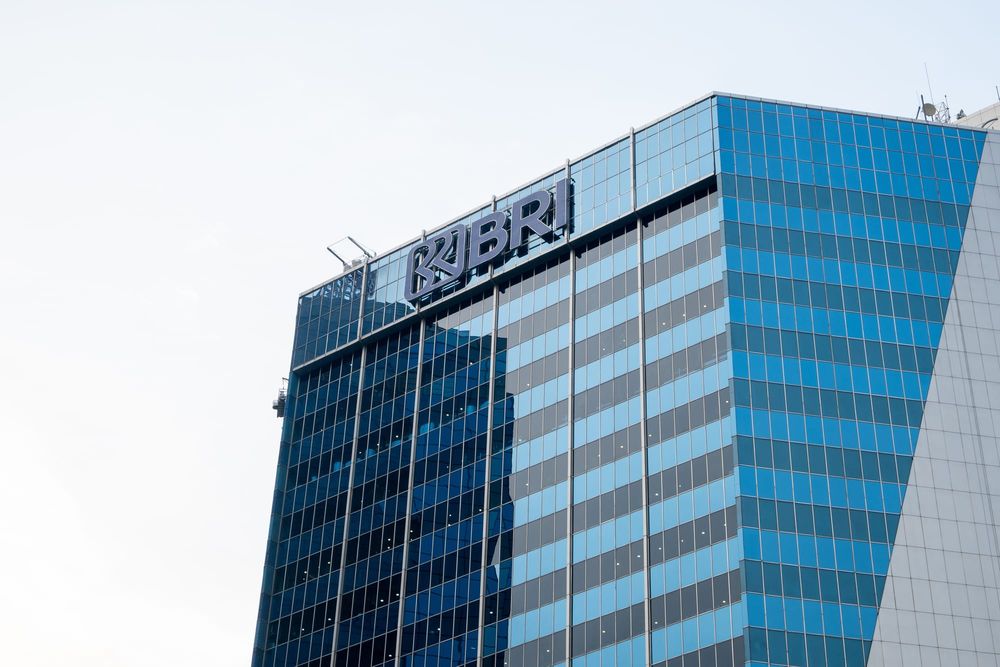
Bank Rakyat Indonesia’s sustainable-finance portfolio reached Rp842.1 trillion in the first half of 2026, equivalent to approximately 58% of the bank’s total lending portfolio, as social financing remained the dominant component of its sustainability strategy.
The portfolio increased from Rp802.4 trillion in the corresponding period of 2025. Social financing accounted for Rp739.9 trillion, while environmental financing reached Rp102.2 trillion. BRI also reported Rp37.6 trillion in sustainable wholesale funding as it develops funding instruments including green and social bonds.
The figures demonstrate the growing scale at which sustainability considerations are being incorporated into the balance sheets of major Asian banks. For BRI, the composition is particularly notable. Social lending substantially exceeds environmental financing, reflecting the bank’s role in financing smaller businesses and broader segments of Indonesia’s economy.
SUSTAINABLE FINANCE BROADENS
Global sustainable finance initially developed around environmental projects, renewable energy and green bonds. Banks across emerging markets are increasingly adopting a broader interpretation that also includes financial inclusion, micro and small-business lending and other activities intended to generate social outcomes.
That distinction matters in markets such as Indonesia. Financing economic participation can represent a substantial component of a bank’s sustainability strategy because small enterprises and underserved communities account for a significant share of economic activity.
BRI’s portfolio shows how those priorities can translate into balance-sheet scale. The bank is also integrating sustainability across lending, funding, investment and operational activities rather than treating it solely as a specialist product category.
WHY IT MATTERS
The size of BRI’s portfolio illustrates how sustainable finance is moving from a niche segment into mainstream banking. When sustainability-linked assets represent more than half of a major bank’s lending portfolio, ESG considerations increasingly become part of core credit strategy rather than a separate corporate responsibility initiative.
That shift has implications for risk management, funding and investor reporting. Banks will face increasing pressure to demonstrate how sustainable-finance classifications are defined, how social and environmental outcomes are measured and whether labelled portfolios generate additional impact rather than simply reclassifying existing lending.
For emerging-market banks, the opportunity is significant. Sustainable funding can potentially connect international capital with domestic lending priorities, while strong disclosure frameworks can broaden the investor base for green and social instruments.