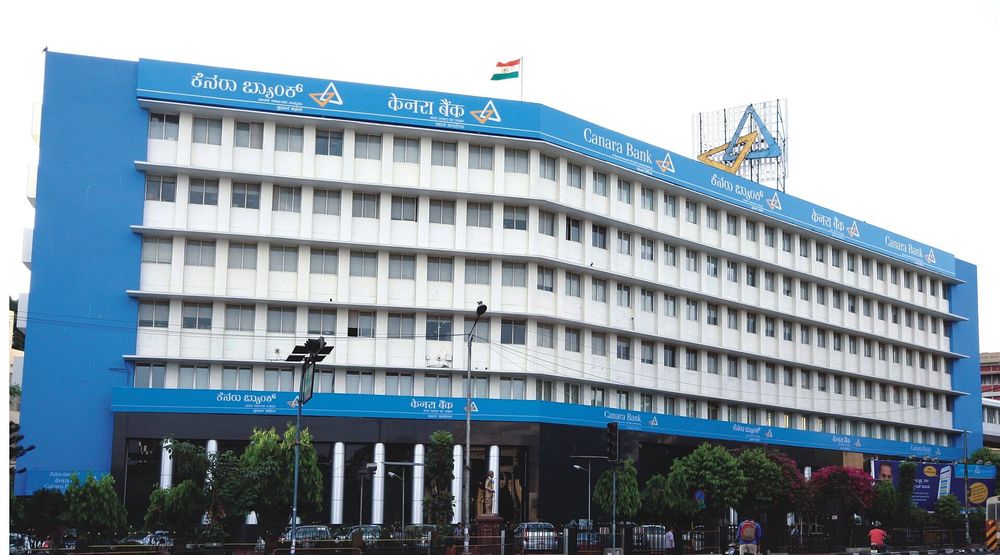
Canara Bank's newly appointed managing director and chief executive officer, Brajesh Kumar Singh, said his first priority was on the resources side, raising low-cost deposits and improving CASA, which he said would strengthen overall efficiency and help make the bank a preferred choice for younger customers.
STRATEGIC PRIORITIES
In remarks to The Hindu Business Line, Singh framed deposit mobilisation and current account savings account growth as the immediate focus for the state-run lender. He identified raising low-cost deposits and improving CASA as measures that would support margin recovery and reduce the bank's dependence on higher-cost funding.
Singh also set a broader strategic objective of positioning Canara Bank to win market share among younger customers. He said he wanted the bank to become the preferred bank for the younger generation, which implied a push on customer experience, product relevance and channels that appeal to younger cohorts. He linked the resource-side emphasis to the bank's ability to invest in areas that attract and retain those customers.
The comments came soon after Singh's elevation to the MD and CEO role. While he did not outline a list of concrete product launches or technology rollouts, his public priorities placed deposit franchise strengthening and customer acquisition at the centre of the bank's near-term agenda.
MARKET CONTEXT AND IMPLICATIONS
For Indian banks, improving the share of low-cost deposits has direct implications for net interest margins, funding stability and the capacity to lend. By emphasising CASA growth, Canara Bank signalled intent to reduce funding costs and create room for competitive retail and small business lending without heightening reliance on wholesale borrowings.
Canara Bank contests a crowded market for retail deposits, where private banks, regional lenders and non-bank financial firms have invested heavily in digital customer acquisition. Singh's focus on younger customers acknowledged that demographic segment's importance to long-term deposit and fee income growth, but it also underscored the challenge of converting digital engagement into enduring, low-cost deposits.
Improved deposit mobilisation and a stronger CASA base would also affect the bank's capital allocation choices. With lower funding costs, the lender could prioritise investments in digital channels, branch modernisation and targeted product development for youth segments. The scale and pace of such investments would depend on how quickly the bank increased its share of low-cost deposits, and on broader macroeconomic conditions that influence savings behaviour.
Operationally, executing on a youth-oriented strategy typically requires aligning product design, pricing, distribution and marketing to preferences of younger customers. That can entail a combination of mobile-first services, simplified onboarding, and partnerships with third parties that reach younger cohorts. Singh's stated objective put those commercial considerations into sharper relief for Canara Bank's management and boards.
Regulatory and competitive dynamics remained significant variables. Indian lenders operate under a regulatory framework that influences liquidity and capital planning. In this environment, the ability to raise stable, low-cost deposits supported by a compelling digital proposition could offer a durable advantage. Conversely, if competitors accelerated promotions for high-yield deposits or novel marketplace offerings, Canara Bank would confront pressure to balance attraction of customers with maintenance of low funding costs.
Singh's public priorities offered investors and market observers a clear signal about the bank's immediate management focus. The emphasis on resource mobilisation and youth market positioning suggested a campaign to shore up the bank's funding base while attempting to modernise its customer franchise.
Sources: The Hindu Business Line Banking