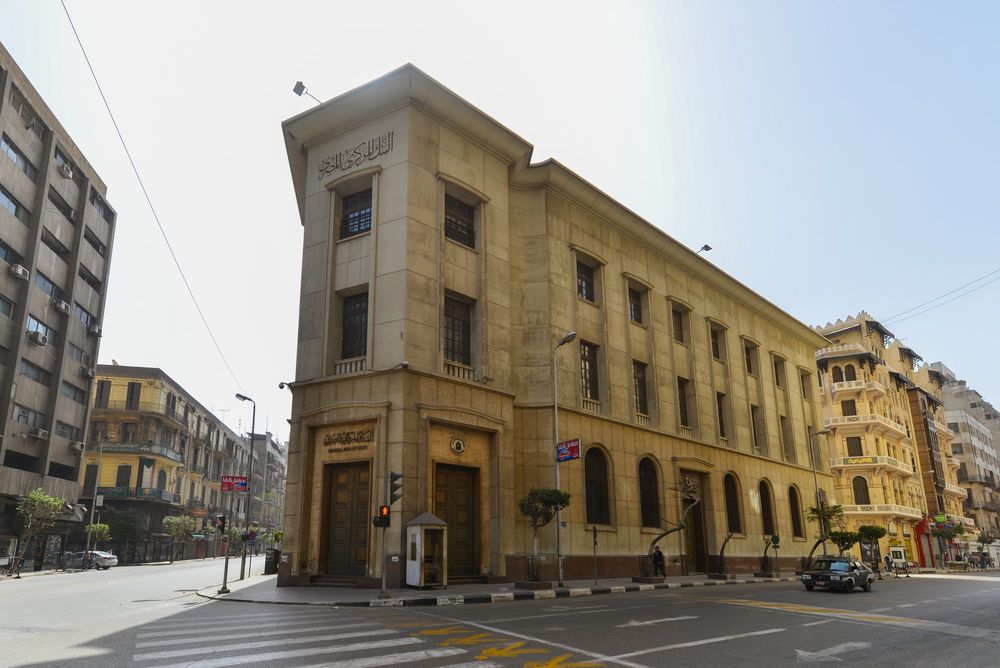
The Central Bank of Egypt held its key policy rate at 19 percent at its August meeting, opting to keep monetary conditions unchanged as it seeks to anchor inflation expectations in one of the region's more volatile economies. The Monetary Policy Committee announced the decision on 20 August, in line with the guidance markets had been expecting heading into the meeting.
The overnight deposit rate, the CBE's principal short-term reference, was maintained at the current level, and the wider corridor around it was also left unchanged. The decision was in line with market expectations, extending a period of steady policy after the sharp adjustments Egypt made earlier in its stabilisation programme.
TIGHT STANCE MAINTAINED
The MPC said it wanted to maintain sufficiently tight monetary conditions to bring inflation back to its target path, echoing language it has used at several recent meetings. That framing signals that the committee is not yet ready to declare victory over inflation, even as headline pressures ease from the peaks reached during Egypt's currency and price-adjustment cycle.
The 19 percent policy rate is one of the highest levels the central bank has set in its recent history, reflecting the extent of the macroeconomic reset undertaken in the country since early 2024. High real rates have been a central pillar of the effort to attract portfolio inflows and stabilise the pound after the currency adjustment agreed with international partners.
By pausing rather than cutting, the MPC preserves optionality on future moves and avoids sending a premature easing signal. Currency-market participants tend to react sharply to any perceived weakening of Egypt's tight stance, given the country's need to rebuild external buffers and preserve confidence in the exchange-rate regime.
RATE SEEN UNCHANGED THROUGH YEAR-END
The rate is expected to remain unchanged through the end of 2026, based on prevailing market and analyst expectations. That view is consistent with the MPC's messaging on the need for sustained tightness and its careful approach to any signal that could prompt sudden shifts in capital flows or in the pound's exchange rate against the dollar and other reference currencies.
Egyptian policymakers have coordinated closely with international partners over the course of the past two years, and the trajectory of the policy rate remains an important reference point for external financing arrangements. Holding the rate at 19 percent in August fits with a strategy focused on gradualism and predictability rather than surprise moves in either direction.
For domestic borrowers, the maintained rate means that funding costs remain elevated across corporate loans, government paper and consumer products linked to the policy corridor. Egyptian banks, however, have generally benefited from the higher-rate environment through wider net interest margins on treasury and lending books, boosting their reported profitability.
The MPC did not signal a specific date at which it might revisit the stance beyond its scheduled meeting cadence. The full statement was published on the Central Bank of Egypt's website following the decision, offering market participants the detailed reasoning behind the decision to hold rates at 19 percent. Analysts and treasury desks will comb through the language for any subtle shifts in tone that might hint at when the committee could feel confident enough to consider a policy pivot.