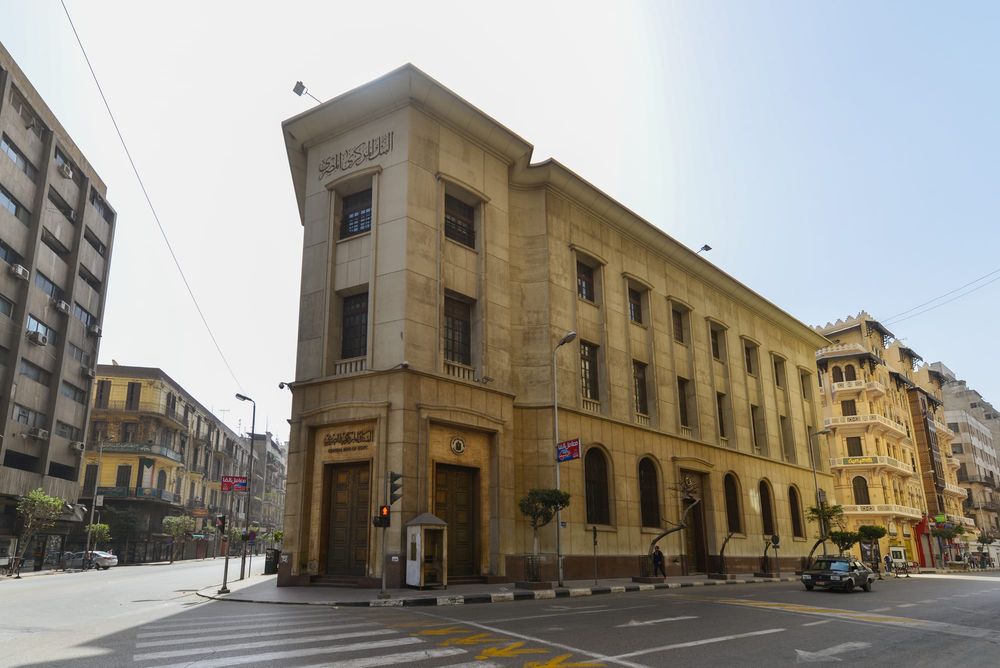
The Monetary Policy Committee of the Central Bank of Egypt voted to hold its overnight deposit rate at 19% and its overnight lending rate at 20% at its second meeting of 2026, held on 26 March, signalling continued caution in the face of persistent inflationary pressures at home and abroad. The decision followed a 100-basis-point cut delivered at the committee's February 2026 meeting — a reduction that gave policymakers reason to pause and assess how conditions were evolving before taking any further action.
The committee identified both domestic and global sources of upward inflation risk as justification for holding rates at current levels. Domestically, Egypt's price environment remains sensitive to energy subsidy adjustments, currency movements, and supply-side factors that can amplify underlying inflation trends. Globally, commodity price volatility and uncertainty around the direction of major central banks — particularly the US Federal Reserve — add an external dimension to the calculus that the CBE must weigh carefully before deciding whether the conditions for further easing have been met.
FEBRUARY CUT SETS CONTEXT FOR HOLD
The 100-basis-point reduction in February 2026 was itself a carefully considered step that followed a prolonged period of restrictive monetary policy. Egypt had raised rates sharply in the years prior to ease the inflationary shock that accompanied currency reform and the withdrawal of foreign portfolio investment. The February cut represented a tentative pivot, and the MPC's decision to hold in March suggests the committee is content to allow the effects of that easing to percolate through the economy before adding further stimulus.
At an overnight deposit rate of 19%, Egypt's monetary policy remains firmly in restrictive territory. The real policy rate — adjusted for actual inflation — will depend on the trajectory of consumer prices in the weeks ahead, and the committee has made clear that it will remain strictly data-driven in its approach. Upward surprises in inflation readings could push the next easing step further into the future, while a faster-than-expected deceleration in prices might create the conditions for another cut at a subsequent meeting of the MPC.
GLOBAL RISKS AND DOMESTIC PRESSURES
Egypt's monetary framework must contend with a complex interaction of external and internal forces. On the global side, shifts in oil prices, food commodity markets, and the monetary stance of the US Federal Reserve all have material implications for Egypt's import bill, current account dynamics, and the appetite of foreign investors for Egyptian treasury instruments. Any deterioration in these external conditions could quickly feed through to domestic prices, particularly given Egypt's reliance on imported goods.
Domestically, the government's ongoing fiscal reforms and adjustments to energy subsidies remain a structural source of price pressure. The CBE has historically coordinated its messaging with the government on the sequencing of price adjustments to avoid adding a monetary shock on top of a fiscal one. By holding at 19% in March, the committee preserves its ability to respond flexibly if conditions deteriorate, while also avoiding a premature loosening that could erode the credibility it has built through sustained restrictive policy. The next MPC meeting will offer further clarity on whether the hold in March was a one-meeting pause or the beginning of a more extended plateau.