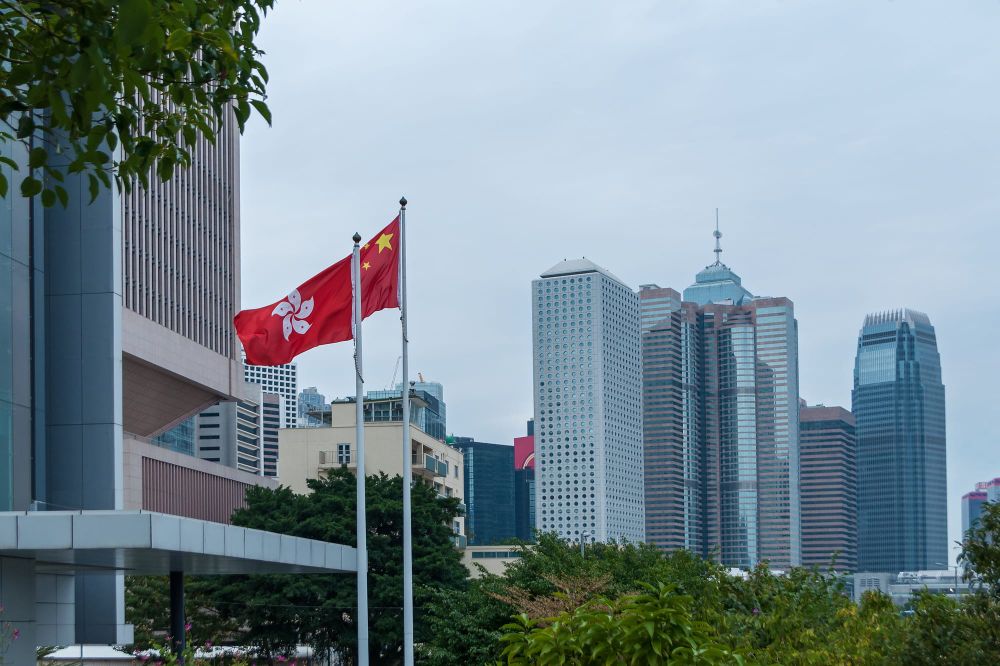
Beijing's recent clampdown on certain investment activities clouded the near-term outlook for Hong Kong banks and insurers, The Japan Times reported, as tighter controls and increased scrutiny reduced cross-border deal flow and discretionary investment channels that had supported earnings and asset growth.
REGULATORY SHIFT AND MARKET EFFECTS
The Japan Times account described measures in Beijing that reduced approved avenues for some forms of investment and tightened oversight of where and how capital could move. The restrictions, framed as part of broader financial and capital controls, affected institutions in Hong Kong that had relied on mainland-linked flows and product distribution to underpin fee income and asset growth.
Hong Kong's banks and insurers had built business lines that intersected with mainland China through wealth management, distribution of investment products and cross-border financing. The report said the more constrained environment in the mainland had weakened those channels. Market participants in Hong Kong saw reduced demand for certain products and a slowdown in transactions that had previously supported non-interest income for banks and fee income for insurers.
The Japan Times said the clampdown also complicated planning for institutions that channelled mainland capital into Hong Kong markets. The measures reduced the certainty around cross-border allocations and created a more cautious investment climate, which weighed on investor sentiment and on the willingness of institutions to commit to new initiatives linked to mainland flows.
IMPLICATIONS FOR BALANCE SHEETS AND STRATEGIES
The reported shift in Beijing's approach had several implications for Hong Kong financial institutions. Firms with significant exposure to mainland-linked business lines faced a reassessment of revenue prospects and of strategic priorities that had emphasised cross-border growth. The Japan Times noted that insurers and banks in Hong Kong saw a less supportive backdrop for distribution of investment products and for deal origination tied to mainland customers.
For banks, a reduction in cross-border activity and product sales typically affects non-interest revenue, an important complement to traditional lending income. For insurers, tighter mainland investment rules can constrain asset allocation options and the appetite for selling certain products that depend on cross-border capital mobility. The Japan Times reported that this confluence of effects created a more uncertain earnings outlook for both sectors.
Market reaction to the clampdown, as described in the report, included heightened investor caution toward securities and sectors closely linked to mainland policy. That caution translated into pressure on valuations and into a re-evaluation by some institutional investors of the growth assumptions that underpinned their exposure to Hong Kong financial firms. The report suggested that the policy shift in Beijing had a signalling effect beyond the immediate restrictions, by raising questions about the near-term trajectory of cross-border financial integration.
Banking and insurance executives in Hong Kong historically adjusted business plans to reflect changes in mainland regulation and capital policy. The Japan Times coverage indicated that the latest measures prompted another such round of adjustment, with institutions reassessing product lines, distribution strategies and capital deployment. The uncertain policy environment increased the value of operational flexibility and of diversified revenue streams that were less dependent on a single regulatory regime.
Analysts and market observers have in past episodes noted that shifts in mainland policy can ripple through Hong Kong's financial system because of the city's role as a capital-raising venue and as a conduit for wealth management services. The recent clampdown, according to the report, reinforced that dynamic by reducing some of the cross-border activity that had been a growth driver.
Going forward, Hong Kong banks and insurers that sought to limit exposure to mainland policy volatility were likely to revisit their product mix and distribution footprints, the report said. Institutions that could reallocate resources to markets and products with clearer regulatory horizons stood to manage the near-term headwinds more effectively.
Sources: The Japan Times