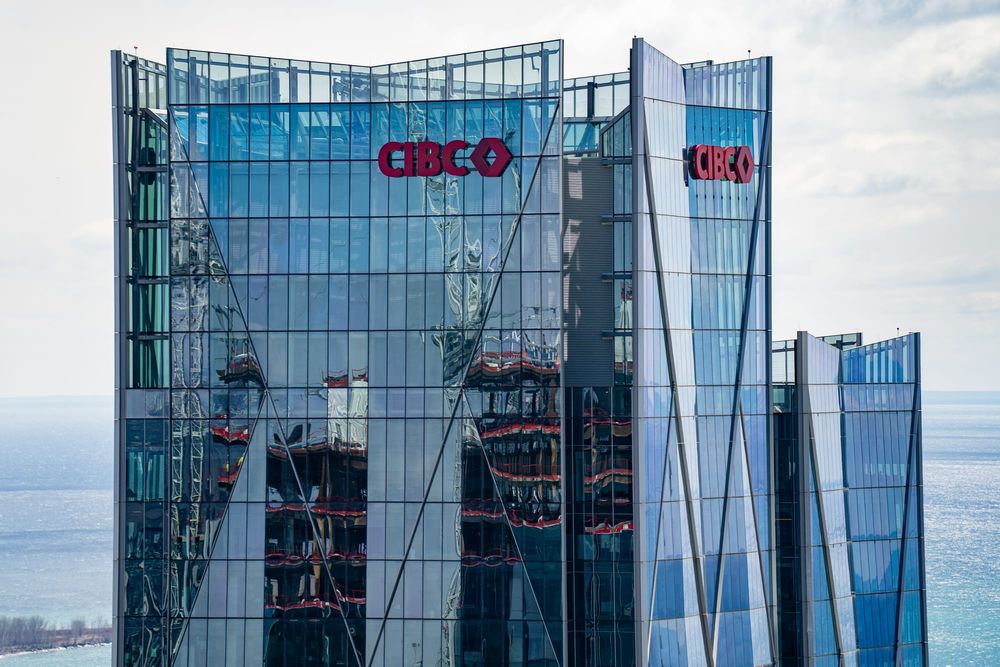
The Canadian Imperial Bank of Commerce issued a EUR 500 million three-year green bond on 29 January 2024, directing the proceeds towards a diversified portfolio of clean energy and sustainable infrastructure projects. The issuance is part of CIBC's fiscal year 2024 sustainable finance programme and represents the bank's second green bond transaction in the international capital markets, following its inaugural issuance and demonstrating a continuing commitment to building a sustainable funding track record with international investors.
Proceeds from the EUR 500 million instrument have been allocated across 23 discrete transactions, encompassing onshore and offshore wind farms, solar power installations, and green buildings. The breadth of the eligible asset pool reflects CIBC's intention to build a genuinely diversified sustainable finance portfolio, rather than concentrating the use of proceeds in a single technology sector or a narrow geographic area, which would limit the reach and impact profile of the issuance.
CLEAN ENERGY AND BUILDINGS DRIVE ALLOCATION
The inclusion of both onshore and offshore wind projects alongside solar assets in the allocation framework positions CIBC's green bond proceeds within the most active and fastest-growing segments of the clean energy financing market. Wind and solar installations have attracted the bulk of institutional green bond investment globally over the past several years, and CIBC's allocation methodology is consistent with established market practice under the International Capital Market Association's Green Bond Principles, which provide the recognised standard for use-of-proceeds categories, project evaluation, management of proceeds, and ongoing reporting requirements that give investors confidence in the integrity of the instrument.
Green buildings represent the third use-of-proceeds category, reflecting the widely shared recognition that the built environment accounts for a significant share of global energy consumption and associated carbon emissions. Financing the construction and energy-efficient retrofit of commercial and residential buildings is a well-established component of green bond frameworks operated by leading financial institutions, and CIBC's inclusion of this asset class broadens the impact profile of the issuance across multiple sectors of the economy.
SECOND GREEN BOND DEEPENS SUSTAINABLE FOOTPRINT
The January 2024 transaction is CIBC's second green bond issuance, deepening its footprint in a sustainable debt capital market where Canadian banks have been increasingly active. Issuing in euros rather than Canadian dollars allows CIBC to access a deep pool of European institutional investors with dedicated mandates for sustainable fixed-income instruments, broadening the bank's investor base and demonstrating the international reach of its capital markets franchise alongside its domestic operations.
CIBC has established a long-term sustainable finance target of CAD 300 billion by 2030, covering both direct lending and capital markets activity across its business lines. The green bond issuance contributes to that long-term commitment and demonstrates the bank's ability to access international funding markets on a sustainable finance basis, reinforcing its positioning among a peer group of global financial institutions that have made large-scale sustainable finance commitments to clients, investors, and regulators. For CIBC's treasury operations, building a track record with European sustainable bond investors also broadens the bank's funding diversification, reducing reliance on any single investor base or currency and improving pricing efficiency over the long term as the sustainable bond programme matures.