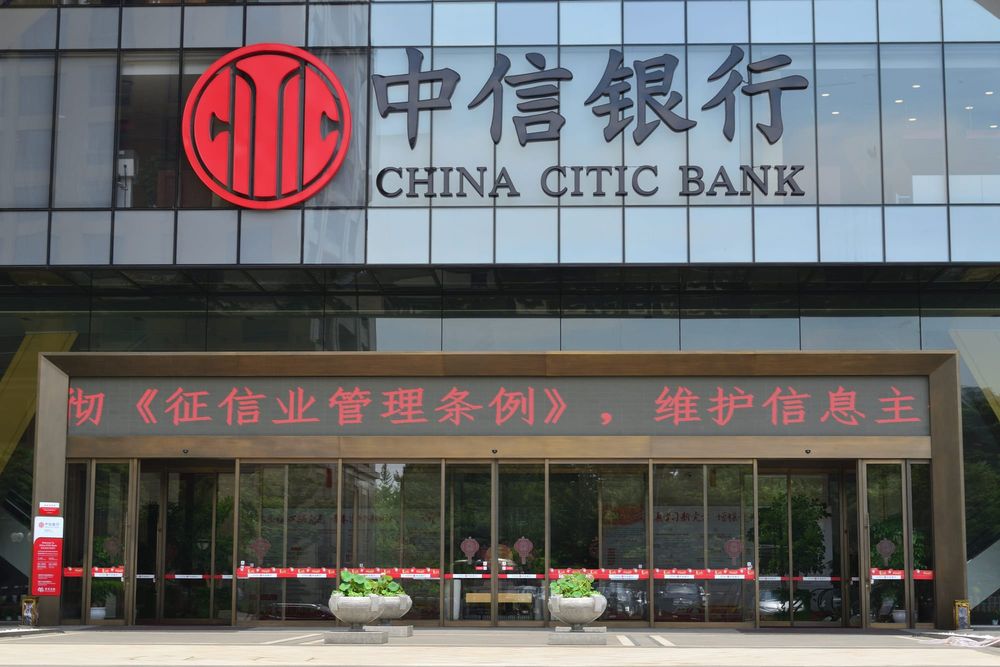
CIMB and China CITIC Bank signed a Letter of Intent to deepen financial connectivity between China and the Association of Southeast Asian Nations, with the agreement concentrating on Malaysia and Indonesia to support bilateral trade, cross-border financing and regional investment flows.
DETAILS OF THE AGREEMENT
The memorandum of intent formalised a cooperation framework between the two lenders that focused on enabling corporate clients to access a broader set of cross-border banking services. The banks said they would provide corporate clients with a suite of banking products intended to facilitate trade, cross-border financing and regional investment, with particular emphasis on transactions linked to Malaysia and Indonesia, two of CIMB's core markets.
The arrangement was framed as a Letter of Intent, signalling an intent to explore operational, product and referral channels rather than the immediate roll-out of new, jointly branded services. The banks positioned the LOI as a mechanism to identify practical areas of collaboration, including client referrals, joint trade finance solutions and coordination on cross-border payment flows.
Industry participants noted that such LOIs typically precede more detailed commercial agreements and implementation plans. In this instance, the focus on Malaysia and Indonesia reflected CIMB's regional footprint, while the involvement of China CITIC Bank aligned with Chinese lenders' wider push to expand service links with Southeast Asian corporates and financial institutions.
MARKET CONTEXT AND IMPLICATIONS
The banks' move occurred against a backdrop of growing China-ASEAN trade and a sustained push by regional lenders to streamline cross-border banking services. For regional corporates, easier access to coordinated financing and payments solutions could reduce friction in trade flows and support investment across borders.
For banks, the LOI provided a platform to address persistent operational challenges, including correspondent banking complexity and the need for faster, more integrated settlement options. Collaboration between a major ASEAN retail and corporate bank and a large Chinese commercial bank illustrated a pragmatic approach to managing client demand for seamless cross-border services without immediately undertaking the heavier lift of full-scale integration.
From a strategic perspective, the agreement reflected broader trends in the region. Chinese banks continued to seek deeper ties with ASEAN counterparts to capture trade-related business and to support corporates participating in regional supply chains. ASEAN banks, for their part, pursued partnerships that extended their service reach into Chinese markets and provided additional liquidity and product options for their clients.
Regulators and market infrastructure providers had in recent years encouraged greater interoperability in payments and finance between China and ASEAN, including mechanisms to facilitate local currency settlement and more efficient cross-border clearing. While the LOI did not commit the banks to specific public policy initiatives, it aligned with industry efforts to reduce transactional friction across the region.
The practical impact for corporate borrowers and treasurers depended on the speed and scope of any subsequent agreements. Should the banks move to implement joint solutions, corporate clients could expect streamlined access to trade finance, coordinated lending approaches for cross-border projects and potentially improved payments routing between China and ASEAN markets.
Observers cautioned that such partnerships often required careful operational alignment, including compliance, risk management and technology integration. The banks would need to reconcile differing regulatory requirements and internal controls to deliver seamless, scalable services.
Overall, the CIMB and China CITIC Bank LOI represented a step toward closer China-ASEAN banking links, reflecting demand from corporates for improved cross-border financial services and a broader industry trend of strategic partnerships between regional and Chinese banks.
Sources: Fintech News HK