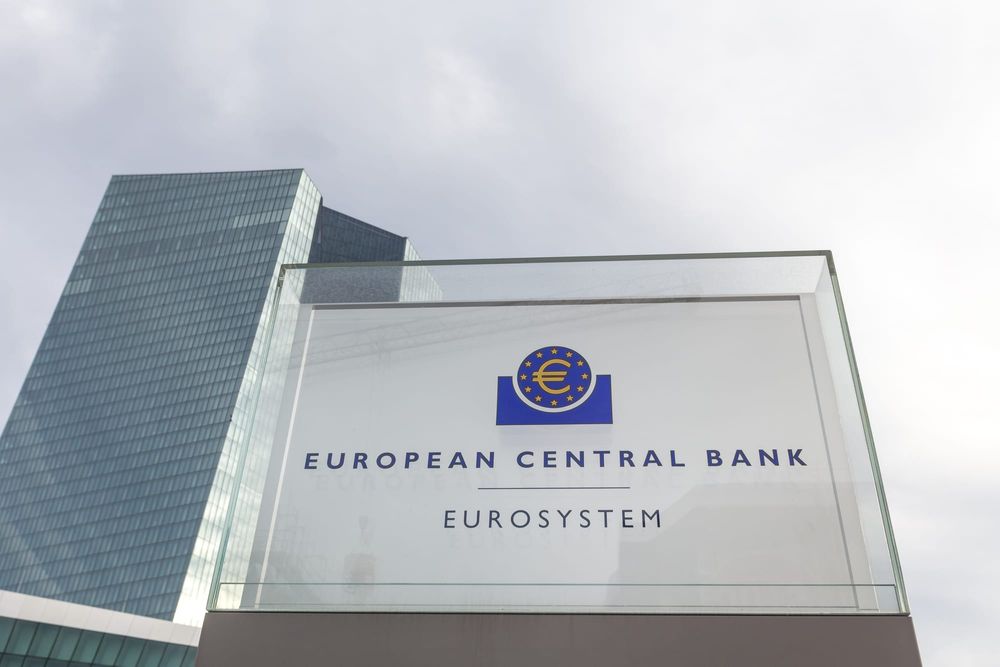
The European Central Bank's Banking Supervision arm has imposed a €405,000 penalty on AS LHV Group, Estonia's largest domestically owned bank, for violations of regulatory reporting requirements. The penalty was imposed on 24 September 2025, following the conclusion of ECB supervisory proceedings, and is final. The decision was published on the ECB's supervisory sanctions webpage as part of its standard practice of transparent enforcement disclosure.
LHV Group, which has grown from a domestic Estonian institution into a bank with a significant operation in the United Kingdom, now faces the financial and reputational impact of the supervisory finding. Regulatory reporting obligations are foundational to the Single Supervisory Mechanism's oversight function: the ECB depends on accurate, timely data submissions from directly supervised institutions to assess risk profiles, enforce capital adequacy and liquidity standards, and maintain a coherent picture of systemic risk across the euro area banking union.
NATURE AND CONTEXT OF THE VIOLATIONS
The ECB did not publish a granular breakdown of the specific reporting obligations found to have been breached, but penalties of this type within the SSM framework typically stem from failures to submit mandatory prudential data — covering areas such as capital adequacy, liquidity coverage ratios, leverage ratios, or large exposure limits — within prescribed deadlines, or from the submission of data containing material inaccuracies or omissions. Both categories of failure degrade the supervisor's ability to monitor an institution's risk position in real time.
Under the SSM framework, the ECB holds direct supervisory authority over significant institutions across the euro area. LHV Group qualifies for direct ECB oversight on the basis of its systemic importance within the Estonian financial system. The bank is the largest domestic institution in Estonia by assets and plays a central role in the country's retail and business banking markets.
The choice of a five-year tenor reflects prevailing investor preferences in the current interest rate environment and gives QNB a defined and manageable deployment horizon for allocating proceeds to eligible green assets across its active markets. A shorter tenor would have created pressure to deploy capital rapidly, while a longer instrument might have attracted a narrower pool of buyers, making the five-year structure a considered balance between the bank's operational requirements and market demand dynamics.
REGULATORY EXPECTATIONS AND REMEDIATION
The ECB's Banking Supervision regularly publishes details of sanctions imposed on entities under its direct oversight, fulfilling both a transparency obligation and a deterrence function for the wider supervised population. Regulatory reporting penalties, while not uncommon in the European banking sector, carry a signal beyond their monetary value: they indicate that the supervisor has identified structural weaknesses in the institution's data governance, internal controls, or reporting infrastructure that require remediation.
Institutions that have received supervisory penalties in this category are typically expected to present a remediation plan to the ECB as part of ongoing supervisory dialogue, demonstrating that the root causes of the identified failures have been diagnosed and that corrective measures are being implemented within an agreed timeframe. For LHV Group, the fine is likely to prompt a thorough review of its reporting processes, data quality controls and the governance arrangements that oversee compliance with the bank's regulatory submission obligations.