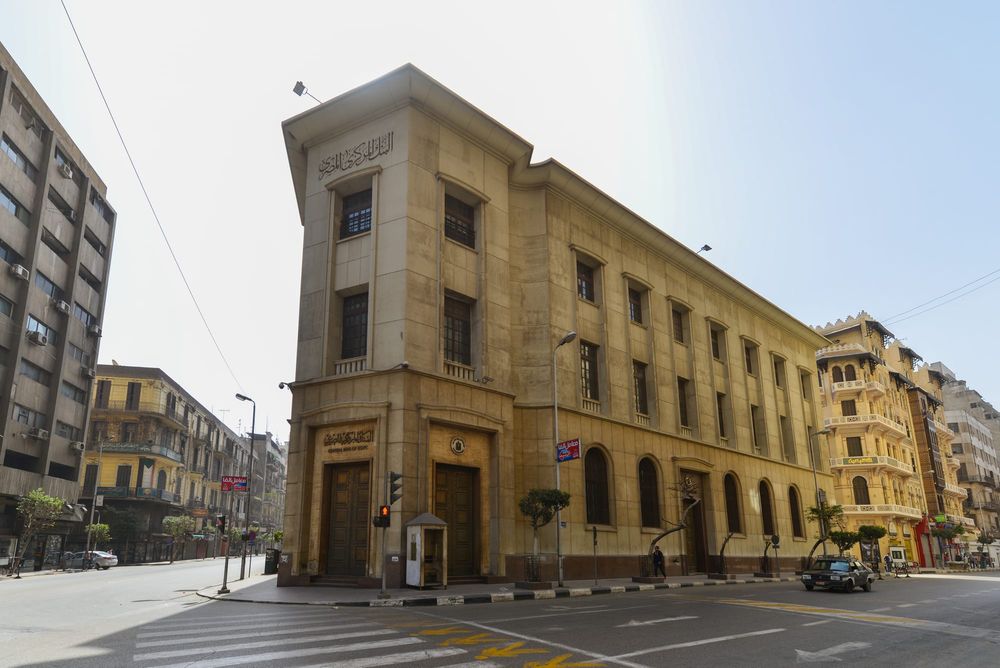
Egypt's central bank kept interest rates unchanged at its latest policy meeting, Ahram Online reported, maintaining the current stance of monetary policy while the authorities monitored inflation and external developments.
DECISION AND POLICY CONTEXT
The Central Bank of Egypt carried forward its existing policy settings, according to the Ahram Online report that covered the bank's decision. The announcement marked a continuation of a cautious approach to monetary management, with the bank electing not to alter its official rates at the most recent meeting.
The move reflected the central bank's assessment of prevailing domestic and international conditions. Central banks commonly weigh inflation trends, exchange rate dynamics, economic growth, and financial stability risks when setting policy. By holding rates steady, the bank signalled an intention to balance those competing objectives rather than pursue an immediate tightening or loosening of policy.
Market participants typically interpret a hold in policy rates as an indication that the bank judged current conditions neither to require immediate tightening to rein in price pressures nor easing to stimulate demand. For Egypt, where monetary policy has had to navigate a complex mix of fiscal needs, exchange rate management and inflation volatility, such decisions carry implications for lenders, borrowers and the sovereign debt profile.
MARKET AND ECONOMIC IMPLICATIONS
Keeping rates unchanged affected several areas of the financial system. Commercial banks were expected to face the same operating rate environment as before, which influences lending and deposit pricing. Corporates and household borrowers could anticipate continuity in borrowing cost trajectories in the near term, barring subsequent policy moves.
For the government, the policy stance had bearing on the cost of domestic borrowing and on the interaction between fiscal and monetary authorities. A steady policy rate can ease near-term financing pressures if it anchors expectations, but it also requires vigilance against any resurgence in inflation or currency pressures that could force a change in direction.
External conditions remained a salient factor in the central bank's calculus. Emerging market central banks often face spillovers from global monetary trends, shifts in capital flows and commodity price movements. Those pressures can affect exchange rates and imported inflation, prompting central banks to adapt policy settings to preserve macroeconomic stability. The decision to hold rates suggested that the bank judged current external developments manageable within existing settings, at least for the immediate term.
Analysts and market participants commonly look for the central bank's accompanying statement and minutes for clues on future moves. Such communications can indicate whether a decision was unanimous, highlight risks that could prompt a change, or outline the economic indicators that the bank will monitor. In this instance, Ahram Online provided the initial report of the decision, which market actors will likely parse alongside other macro releases.
Short-term money markets and currency markets typically respond to central bank decisions with adjustments to pricing and volatility. A hold can stabilise expectations if it aligns with market forecasts, or it can surprise markets if expectations had tilted toward a different outcome. The practical consequence is often a recalibration of forward looking curves for borrowing costs and liquidity management strategies among banks and institutional investors.
Looking ahead, the pace and direction of any subsequent policy changes will depend on incoming economic data and shifts in external conditions. Central banks in comparable economies have navigated these trade offs by signalling readiness to adjust policy if inflation pressures intensify or if growth data weakens. For now, the bank's decision to maintain rates left the monetary policy framework unchanged pending further developments.
Sources: Ahram Online