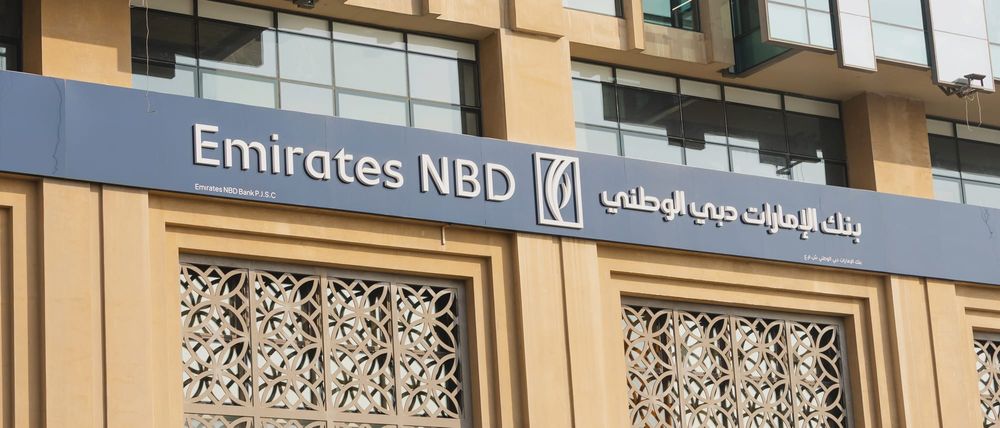
Emirates NBD has received approval from the Central Bank of Egypt to conduct due diligence on Banque du Caire, advancing what would be the most significant cross-border banking acquisition in Egypt in several years. The process moved forward in April 2025, with the Dubai-headquartered lender reported to be targeting a stake of approximately 60% in the Egyptian institution — a figure notably higher than the 45% ownership level that had featured in earlier market reports when the prospective transaction first attracted public attention.
The central bank's authorisation to proceed with due diligence represents a material milestone in a process that has attracted close interest from regional banking investors and observers of Egypt's financial sector privatisation programme. Regulatory approval to conduct detailed financial, legal, and operational review of a licensed bank is a prerequisite for any credible acquisition approach in the Egyptian market, where the central bank exercises close oversight of ownership changes within institutions it supervises. Emirates NBD's clearance to proceed signals that the regulator is satisfied with the potential acquirer's fitness and overall intentions at this stage of the process.
BANQUE DU CAIRE'S PROFILE AND STATE OWNERSHIP
Banque du Caire is Egypt's sixth-largest bank by assets and is wholly owned by Banque Misr, one of the country's two principal state-owned commercial banks. It operates a retail and corporate lending franchise built over decades, with a presence spanning multiple governorates beyond Cairo. Its recent financial performance has been strong: the bank reported record full-year 2024 net profit of EGP 12.4 billion, up 86% year-on-year, with operating revenues rising 56% to EGP 34.7 billion. Those results are expected to play a central role in the valuation framework that Emirates NBD and Banque Misr will negotiate as the due diligence process advances.
The potential sale of a majority stake in Banque du Caire forms a key component of Egypt's broader privatisation and foreign direct investment attraction programme, through which the government has committed to reducing the state's commercial footprint and attracting foreign capital into the economy. Multilateral creditors, including the International Monetary Fund, have long advocated for this programme as part of the structural reform agenda attached to Egypt's external financing arrangements, giving the process both domestic and international political significance beyond its commercial dimensions.
EMIRATES NBD'S STRATEGIC RATIONALE
For Emirates NBD, the largest bank by total assets in the Dubai financial ecosystem and one of the leading lenders in the Gulf Cooperation Council region, acquiring a majority stake in Banque du Caire would represent a transformational enlargement of its Egyptian presence. The group already operates in Egypt through an existing subsidiary, but a controlling interest in the sixth-largest domestic bank would fundamentally alter the scale and competitive position of its Egyptian franchise, giving it access to a far larger branch network, customer base, and deposit pool than it currently commands.
The strategic rationale fits Emirates NBD's established approach to regional expansion through acquisitions that provide immediate scale rather than a protracted period of organic growth. The bank has previously executed similar transactions in Turkey and other markets to diversify its earnings base beyond the UAE. A deal at 60% of Banque du Caire would, at valuations implied by the bank's earnings and book value, represent a transaction of considerable financial magnitude, and the structure, financing, and final pricing remain subject to the outcome of due diligence and bilateral negotiation between Emirates NBD and the Egyptian state selling party.