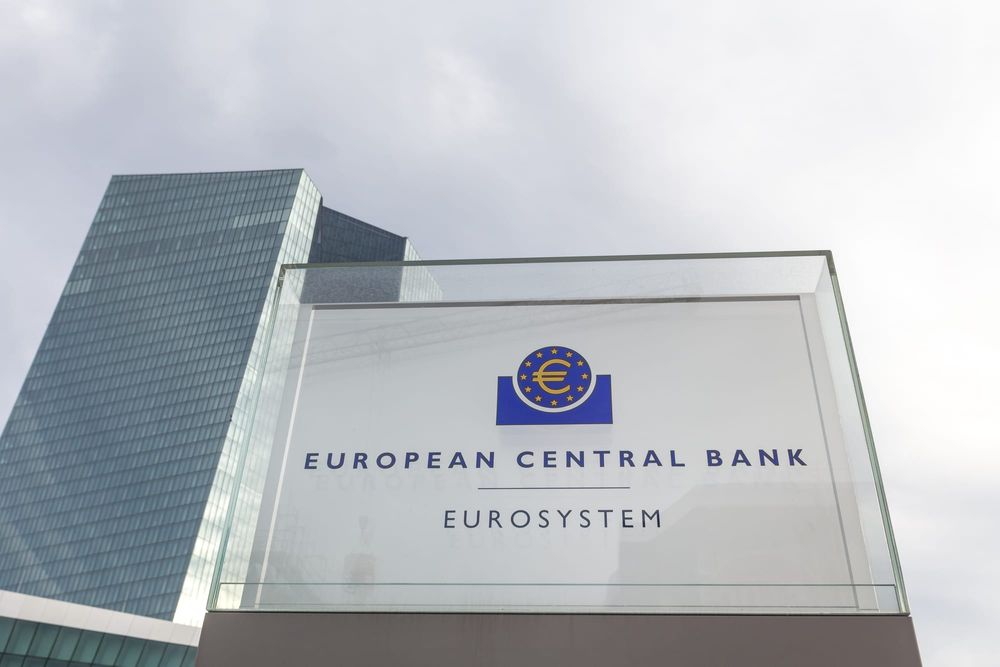
The European Central Bank published a press release on 15 June 2026 that said carbon emissions associated with both its own portfolios and those held for Eurosystem purposes continued to decline.
The ECB said the trend covered the assets it had disclosed in its latest assessment and the portfolios managed on behalf of Eurosystem national central banks. The central bank presented the update as part of ongoing efforts to increase transparency on greenhouse gas emissions connected to its balance-sheet operations and investment activities.
BACKGROUND AND METHODOLOGY
The press release outlined the assessment as an update to previous disclosures on greenhouse gas emissions associated with assets under the ECB and Eurosystem remit. The central bank said the figures reflected the emissions intensity of the issuers and the composition of the portfolios in scope of the disclosure. The ECB also noted adjustments in reporting that affected comparability across periods.
Observers have expected central banks to publish more frequent and detailed reporting on balance-sheet emissions since the topic became a focus of market and supervisory attention. The ECB presented the update in that context, positioning the disclosure as part of routine reporting rather than a new policy instrument. The press release did not include novel policy commitments, but it reiterated the institution's practice of measuring and reporting emissions linked to assets on its balance sheet.
Methodological notes in the release clarified that the assessment covered emissions associated with the asset categories the ECB had previously identified for disclosure. The central bank said methodological choices and the set of assets included in the calculations had an impact on the reported levels, and it made observers aware that year on year comparisons could reflect both actual changes in issuer emissions and shifts in portfolio holdings.
MARKET IMPLICATIONS AND CONTEXT
For banks, asset managers and institutional investors, the ECB's update provided another data point on how central-bank holdings may be evolving in carbon terms. Market participants said such disclosures helped inform assessments of transition risk and the degree to which public sector portfolios aligned with broader climate objectives, although the press release itself stopped short of tying the findings to specific supervisory or monetary policy actions.
The ECB's reporting fed into a wider debate about the role of central banks in addressing climate-related risks, and how they should balance price stability mandates with broader financial stability and sustainability considerations. The press release underlined transparency as the immediate objective of the update, leaving interpretation of the implications for portfolios and risk management to market participants and regulators.
Analysts and market participants followed the ECB's disclosures for signals on how central-bank behaviour could affect the pricing and demand for green and transition-labelled instruments. The central bank's continued reporting on emissions metrics contributed to a richer dataset that investors could use, alongside corporate and sovereign disclosures, to assess issuer trajectories and transition risk.
At the same time, the press release highlighted the limits of emissions reporting on central-bank balance sheets. The ECB acknowledged that changes in reported emissions could stem from issuer decarbonization, portfolio reallocation, or methodological revisions, and it urged users of the data to consider those factors when drawing conclusions.
Market observers said the update was likely to be referenced in discussions between central banks and supervisors on climate-related financial risks, and that regular disclosures by major public-sector actors could increase expectations from private-sector firms on the consistency and comparability of climate data.
Sources: ECB Press Releases