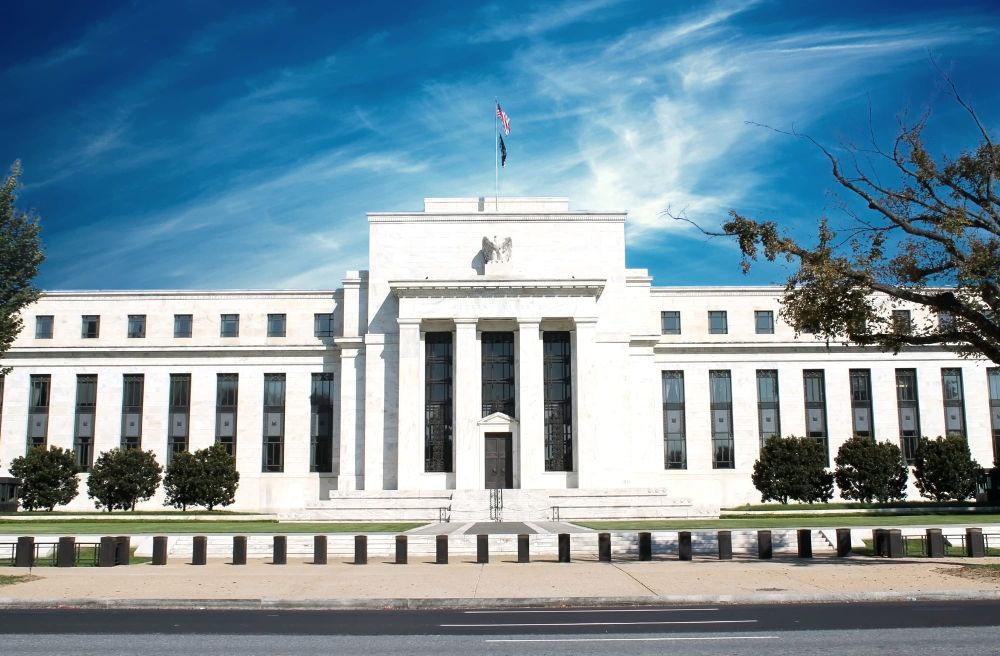
The Federal Reserve Board disclosed two enforcement developments on Thursday, entering a new written agreement with SouthPoint Bancshares of Birmingham, Alabama, and terminating a long-standing cease and desist order originally issued against Deutsche Bank AG and its US affiliates over anti-money laundering concerns. The actions were set out in a press release dated 20 August 2026.
The new written agreement with SouthPoint Bancshares is dated 14 August 2026, according to the Board's release. Separately, the termination on 13 August 2026 releases Deutsche Bank AG, DB USA Corporation and Deutsche Bank AG New York Branch from a cease and desist order originally dated 20 April 2017. No monetary penalties were disclosed in the Board's release.
SOUTHPOINT AGREEMENT AT HOLDING COMPANY
Written agreements between the Federal Reserve and a bank holding company typically formalise supervisory expectations across a defined set of areas, requiring the entity to submit plans and periodic updates on remediation. The precise scope of the SouthPoint arrangement was set out in the accompanying documentation published by the Federal Reserve alongside its enforcement disclosure.
Holding-company level written agreements bind the parent entity and can extend to its subsidiary banks depending on the terms specified. The involvement of the Federal Reserve, as the primary federal supervisor of bank holding companies, is standard in such matters and often follows examination findings identifying issues that warrant formal action.
END OF DEUTSCHE BANK AML CASE
The termination of the 2017 AML-related cease and desist order marks the end of one of the longer-standing enforcement matters between the Federal Reserve and Deutsche Bank in the United States. The original order was one of several actions taken against the German lender's US operations in the years following the global financial crisis, when regulators tightened expectations around anti-money laundering programmes.
Terminations of long-standing enforcement orders are generally taken as an indication that the affected institution has adequately addressed the deficiencies identified at the time of issuance. Federal Reserve practice is to keep in place formal actions until the regulator is satisfied that remediation is complete and that supervisory concerns have been resolved.
The two actions in Thursday's release illustrate the range of matters handled through the Federal Reserve's regular enforcement channel, spanning the initiation of new supervisory arrangements with smaller institutions and the closure of legacy cases involving global systemically important banks. The Board publishes enforcement actions on its website as they are executed, providing a running public record of its supervisory activity. The nine-year duration of the Deutsche Bank cease and desist order reflects the depth of the AML programme reforms that were required in response to the 2017 findings and the sustained supervisory engagement that followed. Termination of the order does not remove the broader compliance obligations to which the bank remains subject, but it does close a specific formal action that has been a feature of the regulator's outstanding enforcement inventory for the better part of a decade. For SouthPoint Bancshares, the new written agreement opens a period of intensified supervisory engagement at the holding company level focused on the areas identified by the Federal Reserve.