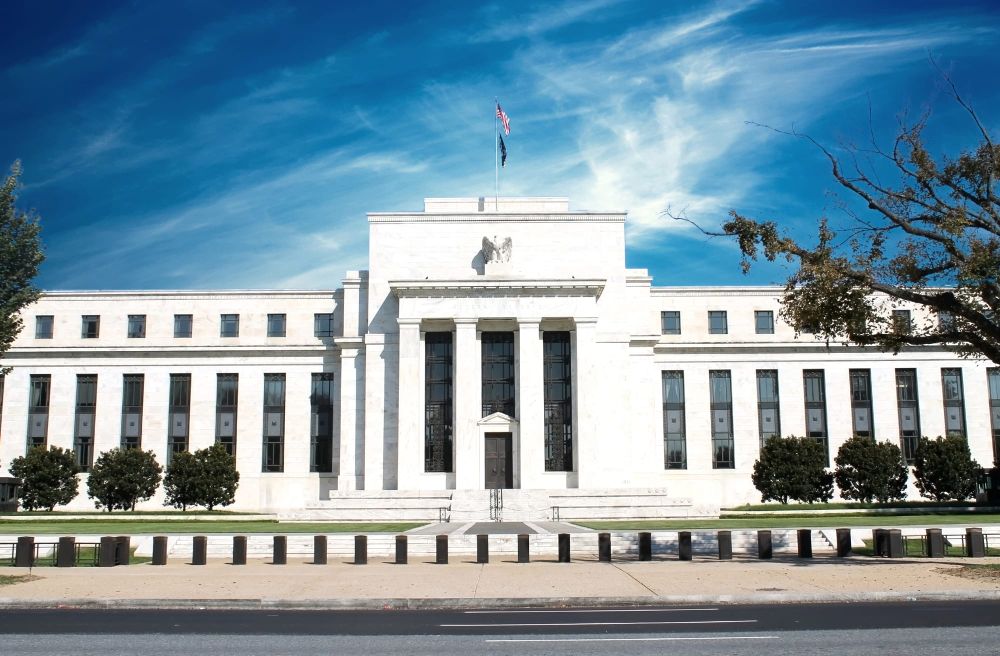
The Federal Reserve said on Wednesday that 32 large US banks had sufficient capital to absorb nearly $708 billion in projected losses under its 2026 Dodd-Frank Act stress test. Aggregate common equity Tier 1 capital fell from 12.8% to a projected minimum of 11.2% under the severely adverse scenario.
The results, published on 24 June, keep the Fed's stress capital buffer requirements in place until 2027, meaning firm-specific SCBs derived from the exercise will govern capital distributions and planning for the year ahead.
CREDIT CARDS DRIVE LOSSES
Credit card portfolios were the single largest source of projected losses, contributing roughly $200 billion of the total. Commercial and industrial loans generated a further $160 billion, reflecting the severity of the hypothetical macroeconomic scenario applied to corporate exposures.
The concentration of losses in unsecured consumer credit and C&I lending mirrors the pattern seen in previous stress tests, where credit cards and corporate loans consistently rank among the most punitive line items under severely adverse assumptions. The 2026 results reinforce the importance of loss-absorbing capital sized against these exposures.
By showing aggregate CET1 falling from 12.8% to 11.2% at the trough, the Fed is illustrating that the sector as a whole retains a comfortable cushion above regulatory minimums even after absorbing losses of the projected scale. The 160 basis point drawdown is the metric that most directly informs stress capital buffer settings.
SCB REQUIREMENTS HELD TO 2027
The decision to maintain stress capital buffer requirements until 2027 means that firm-level SCBs implied by the 2026 exercise will feed into capital plans on the standard cycle. Banks will disclose their individual results and their responses on capital actions, including dividends and buybacks, in the days that follow.
The Fed's framework combines the SCB, minimum CET1 requirements and any applicable global systemically important bank surcharges to determine each firm's binding capital floor. The 2026 outcome, showing broad resilience across the tested banks, gives supervisors and boards a common reference point for capital planning.
The full DFAST results document and press release are available on the Federal Reserve Board's website, including firm-level projections and details of the severely adverse scenario used in the exercise.
The $708 billion aggregate loss figure combines credit losses across all portfolios tested, with the roughly $200 billion in credit card losses and $160 billion in commercial and industrial loan losses making up the bulk. Testing 32 large banks in a single exercise gives the Fed and the broader market a consistent read on capital resilience across a substantial share of the US banking system. Holding stress capital buffer requirements steady until 2027 preserves continuity in individual firms' binding capital constraints even as the 2026 results feed into future SCB calibrations.
The relatively contained drawdown in aggregate CET1, from 12.8% to a projected minimum of 11.2%, is consistent with the pattern seen in recent DFAST rounds, where large US banks have built and maintained significant cushions above regulatory minimums.
For investors, the 2026 DFAST outcome is the gating event for the next round of capital return announcements from the 32 tested banks, with dividend and buyback plans typically communicated in the days following the release. The Fed's decision to keep stress capital buffer requirements steady until 2027 provides an important stability anchor for those plans.