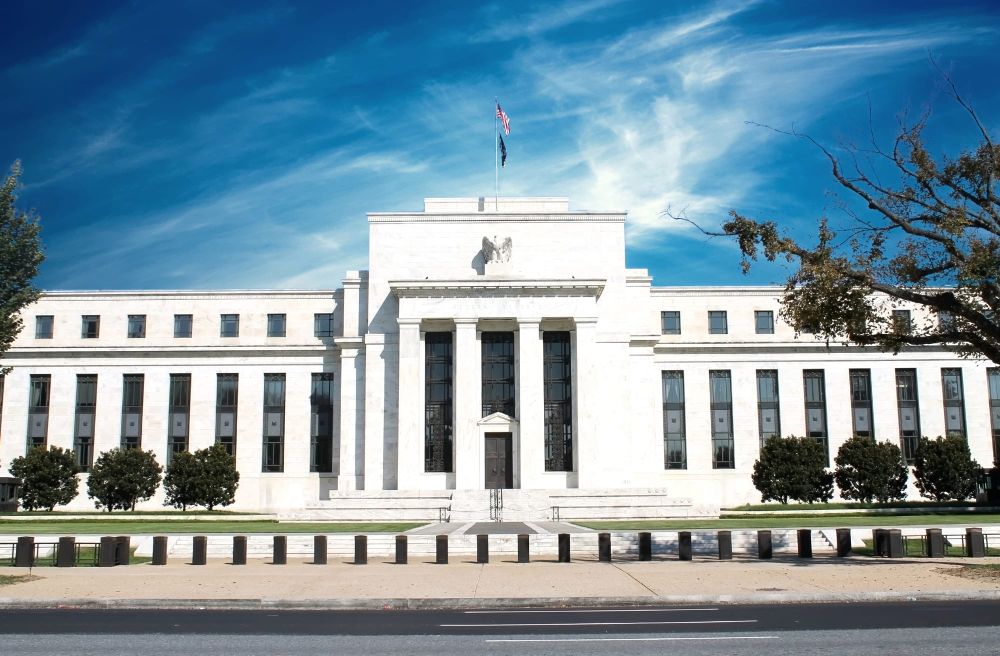
The Federal Reserve raised the target range for the federal funds rate by 25 basis points to 3.75%–4.00% on 16 September. The 12–0 decision marked the first US rate increase in more than three years. Policymakers said economic activity was expanding at a solid pace while inflation remained elevated. The central bank said the move was intended to return inflation to its 2% goal sooner.
The increase was the first policy shift under Chair Kevin Warsh, who took office in late May. Updated projections showed 16 of 18 policymakers expected at least one further quarter-point increase before year-end. The median path placed the target range at 4.00%–4.25% at the end of 2026 and at the same level at the end of 2027. The Federal Reserve also continued its policy of maintaining ample reserves in the banking system.
POLICYMAKERS PRIORITISED INFLATION
The Federal Open Market Committee described domestic spending as resilient, productivity growth as strong and capital investment as robust. It also said job gains had kept pace with the workforce and unemployment had changed little. That assessment allowed the committee to tighten policy while retaining its dual mandate covering employment and price stability.
US markets adjusted after the announcement and press conference. The S&P 500 was down 1%, the Nasdaq fell 0.7% and the two-year Treasury yield rose seven basis points to 4.732%, Reuters reported. The dollar index gained 0.6% to 100.30 as investors reassessed the likely policy path.
ANOTHER INCREASE REMAINS POSSIBLE
The projections implied one additional quarter-point increase in 2026 for the median policymaker, followed by no change during 2027 and one reduction in 2028. That path is a forecast rather than a commitment. Incoming inflation, employment and activity data could alter the committee’s assessment before its next decision.
The higher target range raises short-term funding benchmarks for US banks and borrowers, although the eventual pass-through will vary across products. The Federal Reserve’s next scheduled meeting is on 27–28 October, when policymakers will decide whether the September increase should be followed by further tightening. Until then, inflation data and financial conditions will provide the principal tests of the projected path.