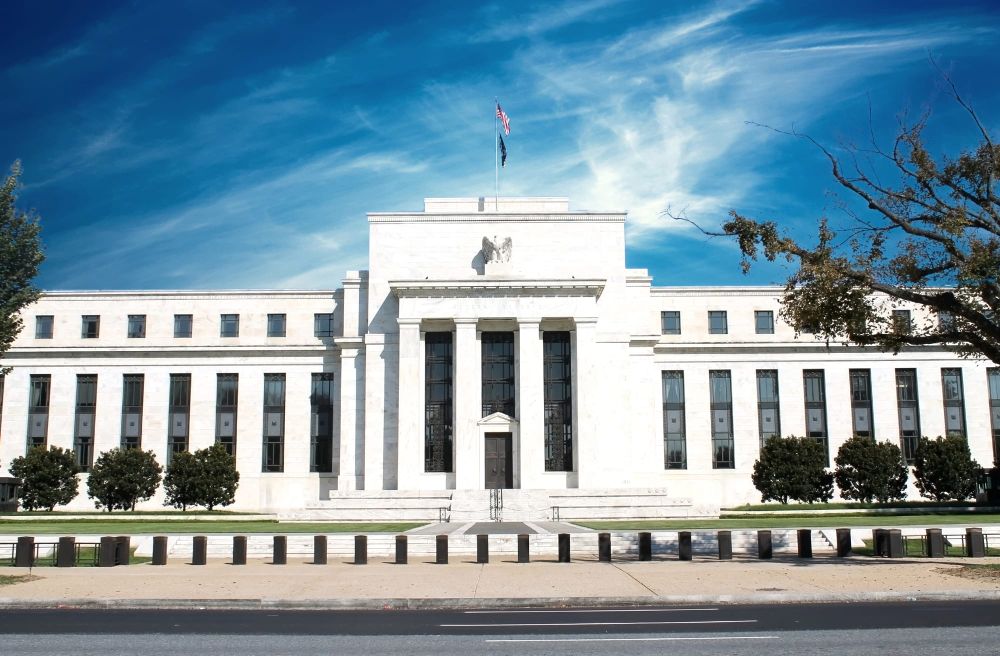
A Federal Reserve-commissioned independent review found that supervisors knew or should have known about Silicon Valley Bank’s vulnerabilities by March 2022. The review said they did not demand prompt corrective action before the bank failed in March 2023. It identified losses exceeding capital and a 94% share of uninsured deposits among the warning signs. Vice Chair for Supervision Michelle Bowman presented the findings on 18 September.
The bank’s uninsured deposits were concentrated among venture-backed technology companies, according to the review. It also found insufficient readiness to borrow at the Federal Reserve’s discount window. The conclusions were released as a reassessment of the supervisory response before the collapse. Reuters separately reported Bowman’s account of the findings.
REVIEW IDENTIFIES SUPERVISORY BARRIERS
The review attributed delayed escalation partly to a risk-averse culture and unclear decision rights inside the supervisory process. It said staff did not translate recognised vulnerabilities into sufficiently forceful action. Those conclusions address the conduct of supervisors rather than changing the causes of the bank’s failure into settled legal findings.
A parallel analysis cited by Bowman found that social-media activity did not trigger or accelerate the deposit run. The assessment therefore separates online discussion from the structural funding and risk-management weaknesses identified before the collapse. The new review also differs in emphasis from an earlier internal examination led by former supervision chief Michael Barr.
FED SETS OUT REMEDIAL STEPS
The Federal Reserve has introduced monthly escalation reports and new supervisory principles in response, Bowman said. The measures are intended to make unresolved risks more visible and clarify when concerns require stronger action. Their effectiveness will depend on whether supervisors use the escalation channels consistently.
The next milestone will be the Federal Reserve’s implementation of the review’s recommendations across supervisory teams. Future examinations will show whether the changes shorten the time between identifying vulnerabilities and requiring remediation. Any further institutional response should be assessed against the specific shortcomings documented in the review.