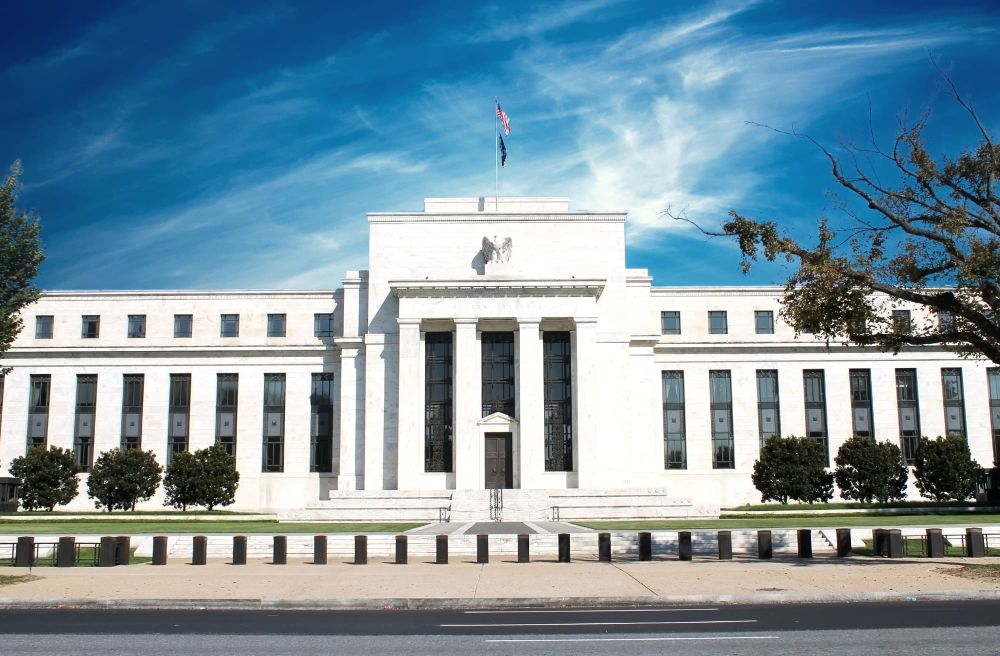
Federal Reserve Vice Chair for Supervision Michelle Bowman said the Board would consider final revisions to its bank stress-testing framework in the coming weeks. The package would increase disclosure of models and scenarios and average the two most recent tests when setting a bank’s stress capital buffer. Bowman said those changes together could cut buffer volatility by half without materially changing aggregate required capital. The revisions have not yet been approved.
The remarks followed earlier Federal Reserve proposals intended to make the annual exercise more transparent and less variable. Stress-test results feed into capital requirements for large banks through the stress capital buffer. Bowman said the effective date for that buffer would move from 1 October to 1 January. The change would give banks more time between receiving results and implementing the resulting capital requirement.
CHANGES TO THE CAPITAL FRAMEWORK
Bowman also said she expected the Federal Reserve to complete broader risk-based capital reforms and changes to the surcharge for global systemically important banks before year-end. That timetable remains prospective and depends on Board action. Reuters reported that the planned work forms part of a wider effort to revise bank capital and supervisory rules.
The stress-test changes would alter both the information available to banks and the calculation used to translate test results into capital requirements. Averaging two test cycles is intended to reduce sharp annual movements caused by scenario design. Greater model and scenario disclosure would give banks more visibility into the exercise while preserving the Board’s role in setting the tests.
SUPERVISORY TESTING REMAINS SEPARATE
Bowman distinguished the annual capital exercise from future supervisory stress tests. Under the approach she described, supervisory-test results would not change capital requirements and would not be published. That proposal is also forward-looking and should not be treated as an adopted rule.
The next milestone is formal Board consideration of the final stress-test revisions. Banks will then need to assess the approved model disclosures, averaging method and implementation timetable. Separate capital and G-SIB surcharge measures will require their own final action before the year-end objective can be met.