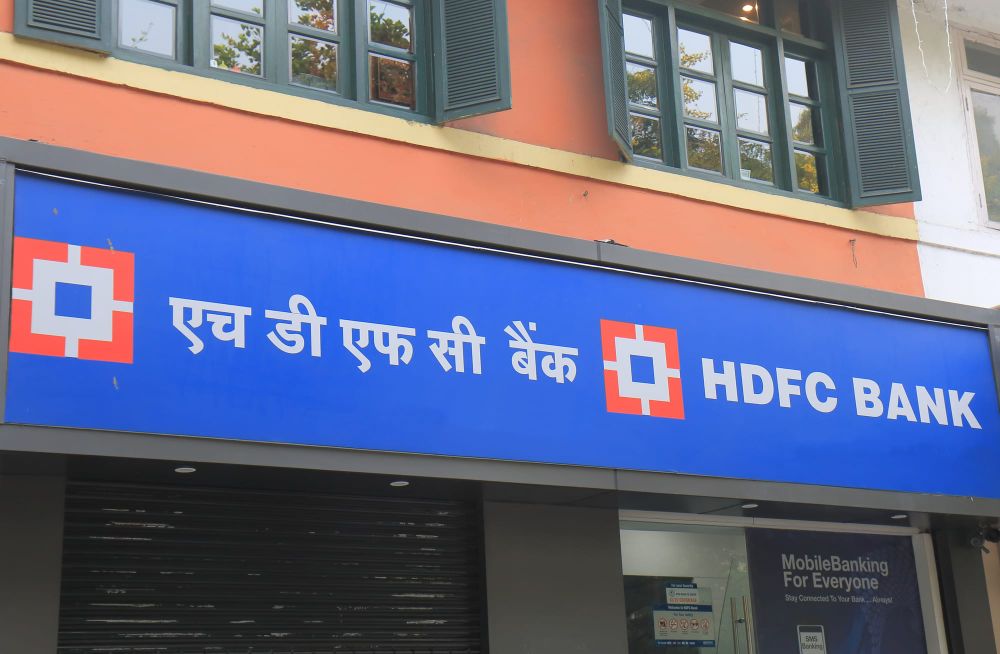
HDFC Bank planned to sell a five-year dollar bond under a new subsidised scheme and expected to raise more than $500 million, according to a report that said the transaction drew strong investor demand.
DEAL DETAILS AND MARKET RESPONSE
The bank moved to access the international dollar market through a medium term note style transaction, seeking to tap demand from global fixed income investors. The issuance was structured with a five-year tenor and was to be conducted under a recently introduced subsidised scheme, the report said.
Deal brokers indicated that investor interest was robust, reflecting continued appetite for dollar paper from high quality Indian banks. The report said the bank expected to raise in excess of $500 million, a size consistent with a benchmark format that would appeal to a broad investor base. Market participants noted that such transactions have become a preferred route for Indian lenders to secure foreign currency funding without committing a large share of their balance sheet to term wholesale borrowings.
The transaction followed a period of active supply from Asia based issuers, and it came after several governments and authorities in the region rolled out mechanisms intended to lower borrowing costs for local institutions accessing foreign markets. Under the subsidised scheme, the effective cost of funds for the issuer was expected to be reduced, which market analysts said could make offshore issuance more attractive relative to domestic options in certain circumstances.
IMPLICATIONS FOR FUNDING AND MARKET DYNAMICS
The move was consistent with banks seeking to diversify funding sources across currencies and investor types. By raising dollar term funding the lender intended to manage its currency and maturity profile, and to lock in medium term resources outside the domestic market. The planned deal's five-year maturity offered a compromise between short dated commercial paper and longer dated debt, enabling the bank to balance cost and duration.
For investors, paper from large Indian private sector banks typically offered exposure to a growing banking franchise while providing a pickup relative to sovereign or supranational credits. The use of a subsidised channel could have narrowed the spread the bank needed to offer, aiding distribution to accounts focused on carry and credit selection. Strong demand in the bookbuilding phase suggested that the market was receptive to supply at the time the transaction was marketed.
Regulatory and market watchers said such issuances could influence funding patterns across the sector. If more banks took advantage of subsidised access to dollar markets, the aggregate offshore supply from Indian issuers could rise, affecting spreads and secondary market pricing. Conversely, the scheme's terms and any caps on aggregate support would shape how widely institutions used the facility.
Analysts also noted that dollar bond issuance by domestic banks was sensitive to global dollar liquidity conditions and to investor risk appetite, both of which had fluctuated in recent months. In that context, the bank's ability to attract demand above $500 million signalled a degree of confidence from international investors in its credit profile and in the attractiveness of the transaction structure.
Observers cautioned that the long term impact of subsidised issuance would depend on the durability of the scheme and on how market participants adjusted to a potential increase in supply. For the issuer, the immediate benefit was access to diversified term funding at a potentially lower cost than prevailing alternatives, while for investors the deal offered another source of credit exposure to a major regional bank.
Sources: The Hindu Business Line Banking