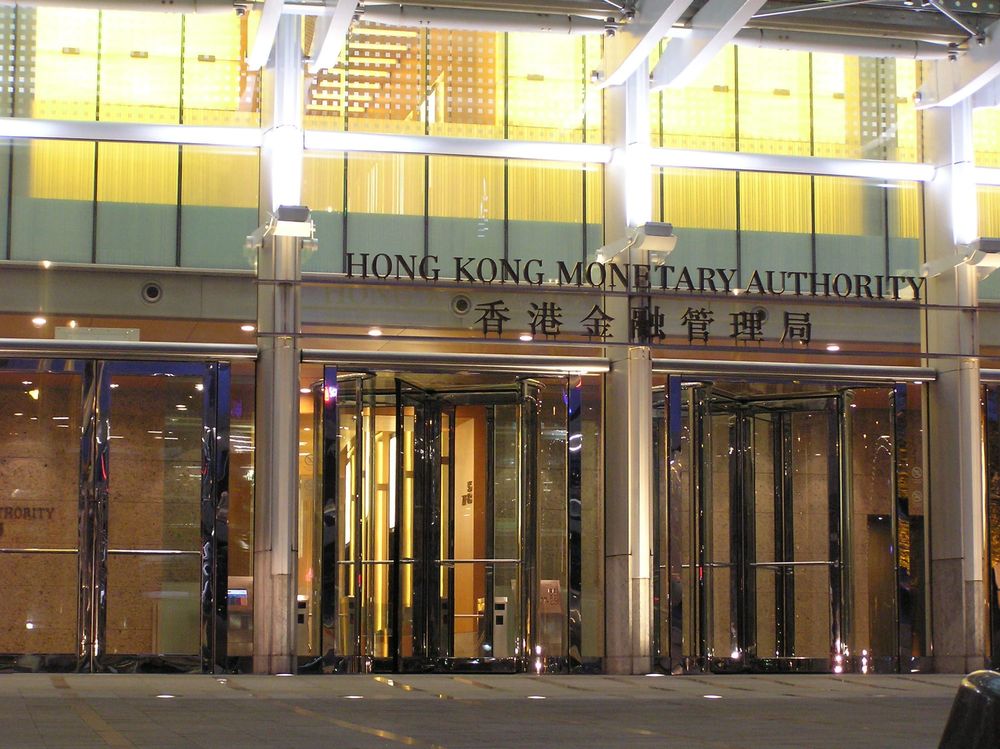
The Hong Kong Monetary Authority and Bank Indonesia signed a memorandum on 24 September to strengthen cooperation on QR-code cross-border payments. HKMA chief executive Eddie Yue and Bank Indonesia Governor Destry Damayanti signed the agreement. The authorities will explore arrangements to make QR payment systems interoperable between Hong Kong and Indonesia. No launch date or commercial terms were announced.
The memorandum creates a framework for dialogue on technical, operational and regulatory matters. Both authorities said the work is intended to promote faster, more affordable, transparent and inclusive cross-border payments. The agreement concerns prospective cooperation rather than an already connected retail service. Implementation will depend on subsequent system design, operating rules and regulatory coordination.
REGULATORS SET AN INTEROPERABILITY FRAMEWORK
The planned discussions will have to address how the two jurisdictions’ QR standards, participating institutions and settlement arrangements can work together. They will also need to determine consumer safeguards, compliance responsibilities and the treatment of foreign exchange. By placing those questions inside a formal memorandum, the authorities have established an official route for moving from policy intent towards a functioning payment link.
Hong Kong already operates the Faster Payment System around the clock in Hong Kong dollars and renminbi, while Indonesia has developed QRIS as its domestic QR payment standard. The new memorandum does not state which infrastructure will be connected or whether banks and non-bank payment providers will participate from the outset. Those details will determine the agreement’s eventual reach for travellers, merchants and remittance users.
DELIVERY DETAILS REMAIN OUTSTANDING
The cooperation aligns with the wider regional effort to reduce the cost and delay of moving money across borders through linked domestic payment systems. The Financial Stability Board’s global roadmap identifies speed, cost, transparency and access as the principal cross-border payment challenges. Hong Kong and Indonesia used the same objectives in describing their bilateral work, but the memorandum did not set quantitative targets.
The next material milestone will be a technical arrangement, implementation timetable or pilot showing how interoperability will operate in practice. Until then, the memorandum should be treated as a regulatory cooperation step rather than a live payment corridor. Banks and payment providers will watch for participation rules, settlement design and compliance requirements before assessing the operational impact.