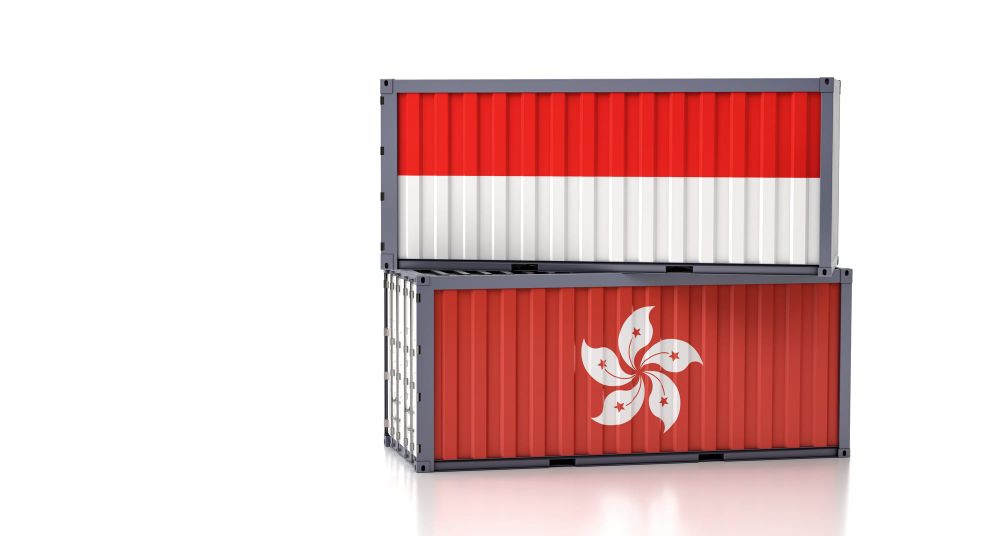
The People’s Bank of China, the Hong Kong Monetary Authority and Bank Indonesia signed an agreement on Thursday to establish a framework for direct exchange and settlement of the Indonesian rupiah and the Chinese yuan, aimed at facilitating cross-border trade and investment flows between Hong Kong and Indonesia.
KEY FEATURES AND INTENT
The agreement created a bilateral currency transaction framework to enable companies to transact and settle trade and investment in rupiah and yuan without routing payments through a third currency, according to reporting by SCMP Finance. The parties described the arrangement as covering direct exchange and settlement in cross-border activity between firms operating in the two jurisdictions.
The move aligned the central bank and monetary authority of a major offshore yuan centre, and the central bank of a major ASEAN economy. Hong Kong has positioned itself as an international centre for offshore yuan activity, while Indonesia has substantial trade and investment links with China, making a direct settlement channel potentially relevant for corporates and financial institutions active across the markets.
Officials framed the framework as operational and regulatory cooperation to support currency conversion and payment flows, rather than as a binding commitment to provide liquidity or credit facilities. The arrangement focused on settlement mechanisms and procedures for bilateral transactions in the two local currencies.
MARKET IMPLICATIONS AND CHALLENGES
Market participants and policy watchers said direct settlement arrangements can reduce the number of steps in cross-border payments, which may cut transaction costs and simplify foreign exchange paths for trade and investment. By enabling firms to avoid an intermediary currency in bilateral transacting, the framework could lower operational frictions for exporters, importers and financial institutions.
Greater use of local currencies in cross-border trade could shift payment flows away from dominant global currencies for specific corridors, and could influence demand for onshore and offshore liquidity in both the rupiah and the yuan. For Hong Kong, the deal reinforced its role as a clearing and settlement hub for yuan-denominated flows. For Indonesia, it offered another route for facilitating trade with a major trading partner.
The practical impact depended on several factors, including the availability of liquidity in both currencies, the willingness of correspondent banks and clearing agents to support bilateral flows, and legal and regulatory alignment across jurisdictions. Market infrastructure and the readiness of banks and corporate treasuries to adopt new settlement processes were likely to determine the speed and scale of adoption.
Operational considerations included settlement windows, netting arrangements, and the handling of risk and compliance checks in cross-border banking. The framework addressed foundational arrangements for direct exchange and settlement, but changes to market practice typically required coordinated work between central banks, commercial banks and payment system operators, as well as time for onboarding and testing.
From a policy perspective, central banks often weigh the benefit of reduced transaction costs against potential implications for market liquidity management and FX policy. The agreement did not, in reporting, disclose any linked currency swap lines or reserve arrangements, leaving institutions to interpret the framework primarily as a facilitation measure rather than a provision of central bank credit.
For corporates engaged in bilateral trade between Indonesia and mainland China or Hong Kong, the framework offered a pathway to settle invoices in local currency pairs, potentially easing hedging needs for counterparties that prefer to avoid intermediate currency exposure. For banks, the arrangement could create opportunities to expand transaction services and to intermediate FX flows between the two currency markets.
Observers said the agreement reflected broader regional trends toward diversifying payment rails and increasing local currency use in trade, particularly in Asia where deep cross-border trade links have prompted several bilateral and multilateral settlement initiatives in recent years.
Sources: SCMP Finance