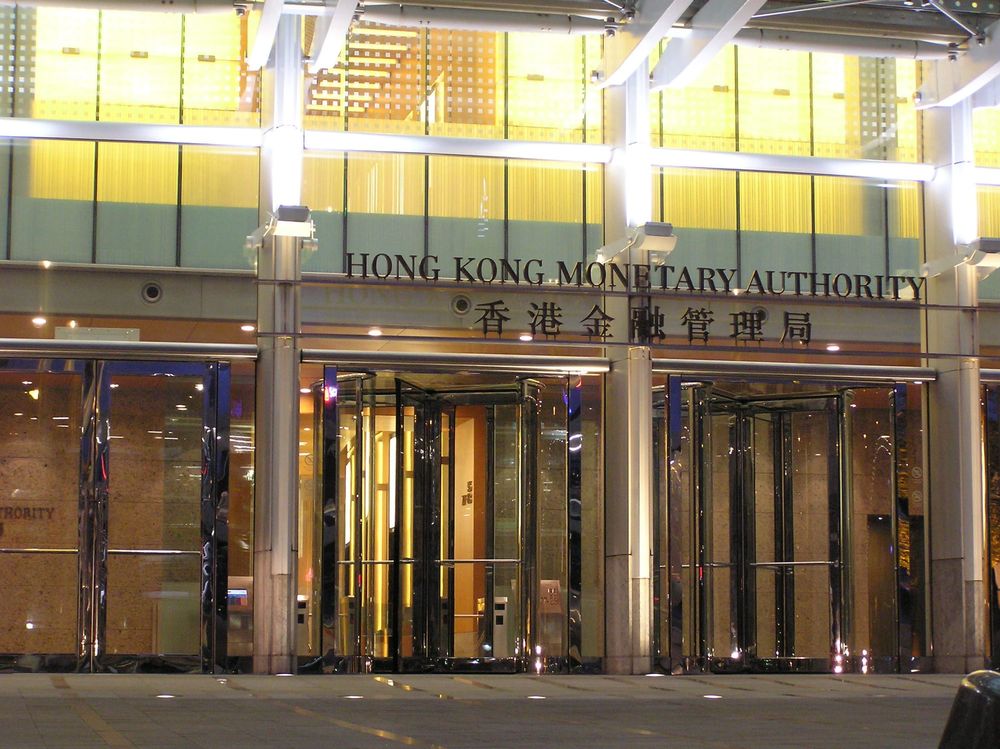
The Hong Kong Monetary Authority raised its base rate by 25 basis points to 4.25% with immediate effect on 17 September. The increase followed the Federal Reserve’s quarter-point move hours earlier. It was Hong Kong’s first base-rate increase since July 2023. The base rate applies to the overnight discount window under the city’s linked exchange-rate framework.
Hong Kong’s monetary policy generally follows the United States because the Hong Kong dollar trades within a band of HK$7.75 to HK$7.85 against the US dollar. The authority’s formula set the base rate 50 basis points above the lower end of the new US target range. Five-day averages of overnight and one-month Hong Kong interbank rates were 2.50%, below the resulting 4.25% base rate. The adjustment therefore reflected the formula rather than a separate discretionary tightening decision.
COMMERCIAL BANKS HELD LENDING RATES
HSBC and Bank of China (Hong Kong) kept their best lending rates at 5.00%, while Standard Chartered retained its 5.25% prime rate. Hang Seng Bank, an HSBC subsidiary, also left its best lending rate unchanged at 5.00%. The decisions meant the official increase did not immediately produce equivalent changes in those retail lending benchmarks.
The banks also retained their Hong Kong dollar savings rates, including a 0.001% rate for balances above HK$5,000 reported by China Daily. Banks set their own lending and deposit rates after considering liquidity, funding demand and their cost structures. The one-month Hong Kong interbank offered rate stood at 2.95%, its highest in almost three months but still below comparable US rates.
RATE DIFFERENTIAL COULD PRESSURE CURRENCY
HKMA chief executive Eddie Yue said the wider interest-rate differential could encourage carry trades and push the Hong Kong dollar towards the weak side of its permitted band. The authority nevertheless said monetary and financial markets continued to operate in an orderly manner. It advised borrowers and savers to manage interest-rate risk because the future US rate path remained uncertain.
The official increase tightens the discount-window reference without determining when commercial rates will move. The next concrete external policy reference is the Federal Reserve’s 27–28 October meeting, although Hong Kong banks could adjust pricing earlier if local liquidity or funding costs change. Prime rates, deposit pricing and the exchange rate will show how far the base-rate increase passes through to the domestic market.