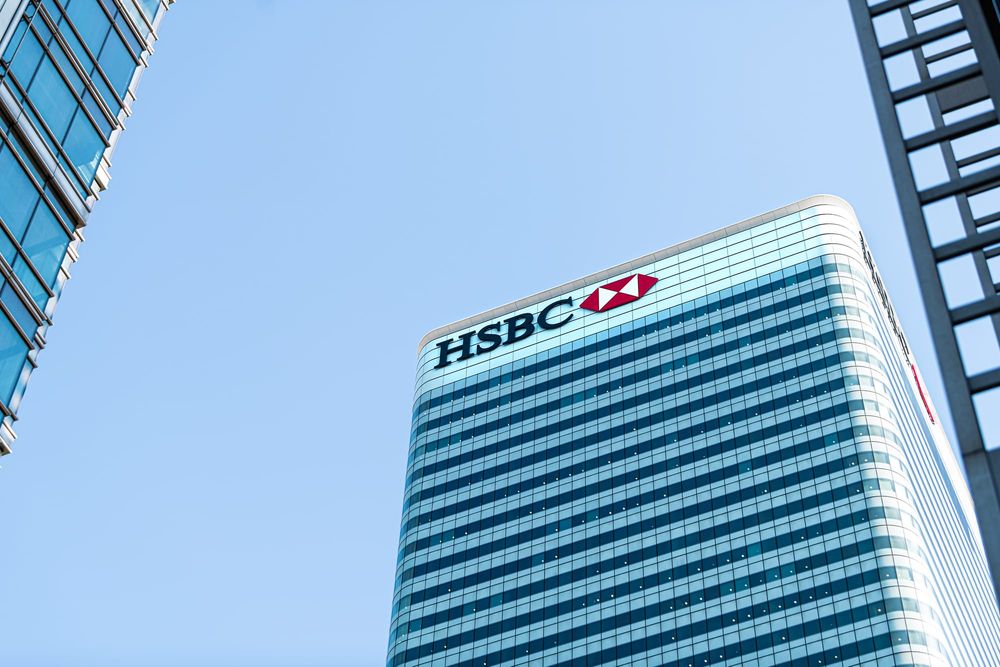
HSBC shares rose as broader FTSE bank stocks rebounded, with Hong Kong wealth dynamics coming into investor view and supporting sentiment for lenders with exposure to the city and wider Asian markets.
MARKET MOVES AND SECTOR SENTIMENT
HSBC registered gains in trading as the bank sector on the FTSE recovered from earlier weakness, reflecting a shift in investor mood that extended from London into Asian trading sessions. The stock move highlighted the sensitivity of large, internationally listed banks to cross-border flows and regional developments, particularly those tied to Hong Kong and mainland China wealth-management activity.
Bank shares had experienced pressure in recent sessions, but the rebound on the day signalled a recalibration by market participants who had been weighing economic data, policy signals and capital flows. For banks with dual listings or significant operations in Asia, such as HSBC, developments in Hong Kong often carried outsized importance because of client wealth trends and the trading linkages between the city and global markets.
Investors appeared to place renewed emphasis on expectations for demand in wealth-management products and private banking services in Hong Kong, as well as on any signs of stability in regional markets. Those dynamics supported a partial recovery in banking stocks, with HSBC among the better performing names as attention turned to how institutions would capitalise on renewed investor interest in Asia.
CONTEXT, RISKS AND IMPLICATIONS FOR BANKS
The rebound in FTSE bank shares underscored the interconnected nature of global banking equities, where moves in one market can reverberate through others because of shared exposures and investor positioning. HSBC's performance in the session drew attention because of the bank's sizeable presence in both London and Hong Kong markets, and because wealth-management flows in Hong Kong have become a key variable for revenue prospects in the region.
Market participants watched how fluctuations in investor risk appetite affected loan growth prospects, fee income from wealth management and the pricing of bank stocks. The session's rebound did not eliminate underlying challenges for the sector, but it did indicate that investors were prepared to reassess valuations in light of changing regional conditions.
For lenders with significant Asian operations, the state of Hong Kong's wealth market remained particularly relevant. Trends in asset flows, demand for discretionary and advisory services, and the health of capital-markets activity in the city could influence earnings trajectories for banks that rely on fee income from high-net-worth clients and institutional investors.
Analysts and market strategists, when commenting on similar moves historically, have emphasised that short-term rebounds can reflect technical buying and repositioning rather than a durable shift in fundamentals. That distinction mattered for portfolio managers who needed to decide whether to view the rally as an opportunity to add exposure or as a corrective bounce within a longer consolidation.
The interplay between London-listed bank shares and Asian trading conditions also highlighted operational considerations for multinational banks, including the management of franchise exposures and communication with investors across different time zones. For HSBC and peers, market reactions in Hong Kong and London often prompted scrutiny of guidance on regional earnings, asset quality and capital planning.
While the session's gains provided relief to investors who had been contending with volatility, they also kept focus on the need for clarity about longer-term drivers of bank earnings in an environment shaped by economic data, regulatory developments and client behaviour across markets.
Sources: Bez Kabli