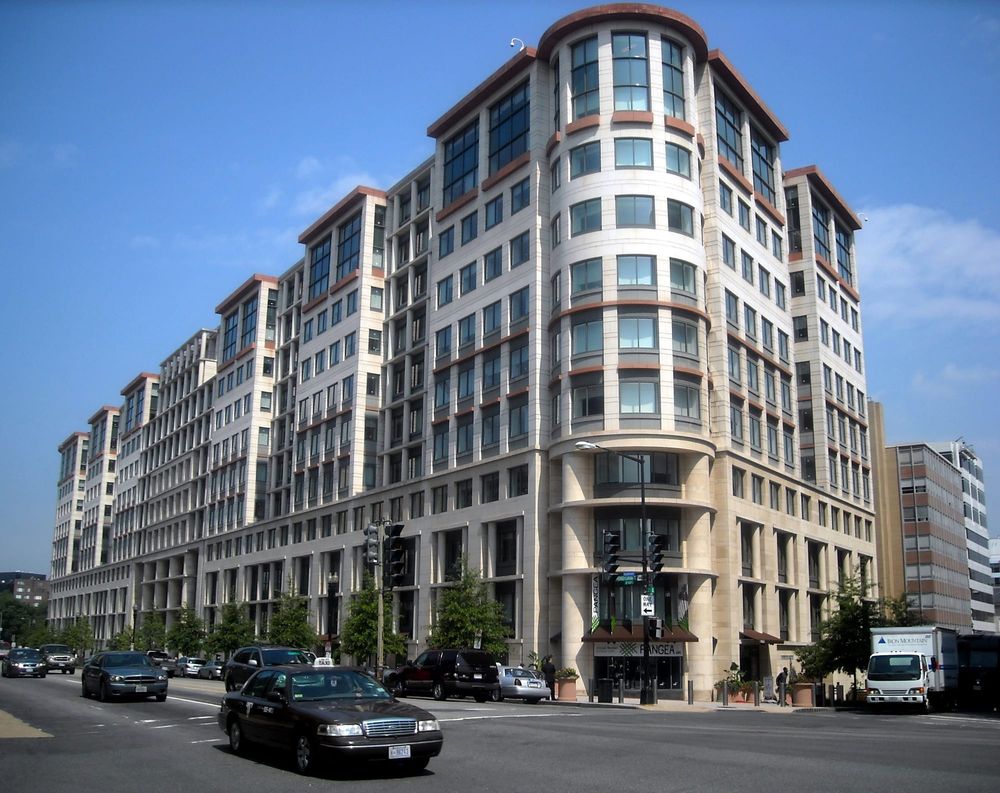
The International Finance Corporation (IFC) priced a USD 2 billion five-year green benchmark bond on 7 July 2026, attracting an orderbook of USD 8 billion from investors and setting a 4.25% coupon. The transaction is one of the largest single green benchmarks issued by the World Bank Group member and underlines continuing appetite for high-grade sustainable debt in the US dollar market at a time when supranational and sovereign issuance schedules are heavily contested for investor attention.
The bond was issued under the IFC's Green Bond Framework, which is aligned with the International Capital Market Association's Green Bond Principles. Proceeds are earmarked to finance private-sector climate projects in emerging markets, in line with the framework's eligible use-of-proceeds categories. The framework provides investors with the transparency and reporting infrastructure that has become the market standard for high-grade green issuance.
STRUCTURE AND INVESTOR RECEPTION
BMO, Citi, Goldman Sachs and JP Morgan acted as joint lead managers on the transaction. The four-strong syndicate reflects the IFC's practice of drawing on a broad set of dealer relationships for benchmark-sized trades, particularly where the deal is being pitched to both dedicated sustainability funds and traditional fixed-income accounts across North America, Europe and Asia.
An orderbook of USD 8 billion for a USD 2 billion print represents a subscription ratio of roughly four times, indicating strong demand at the 4.25% coupon level. Such coverage typically allows the issuer and syndicate to tighten pricing during the marketing process and to allocate to a diversified investor base rather than a small number of anchor buyers, an outcome that supports the secondary-market performance of the bond after pricing.
The five-year tenor sits in the sweet spot for many central bank reserve managers and bank treasuries, which tend to be significant participants in supranational green benchmark issuance. It also fits the maturity profile of many of the IFC's underlying climate lending commitments, allowing the corporation to more closely match funding to the tenor of its climate-related loan book.
USE OF PROCEEDS AND MARKET CONTEXT
The IFC said proceeds from the bond will finance private-sector climate projects in emerging markets under its Green Bond Framework. Eligible categories under the framework typically include renewable energy generation, energy efficiency, green buildings and climate-smart agriculture, with reporting on allocation and impact provided on an annual basis to give investors visibility on where their capital is deployed.
As a triple-A rated multilateral development institution, the IFC benefits from access to deep pools of institutional capital that price its debt tightly to sovereign benchmarks. Successful benchmark trades in the dollar green format also help set reference levels for other supranational and sovereign issuers active in the sustainable debt market, contributing to the ongoing development of a robust green pricing curve.
In its communications on the deal, the IFC emphasised the role of the green bond programme in mobilising private capital for climate action in developing economies. The 4.25% five-year print, backed by an USD 8 billion orderbook, provides both scale and pricing support for that ambition and offers a reference for follow-on green issuance from the World Bank Group in the second half of 2026.