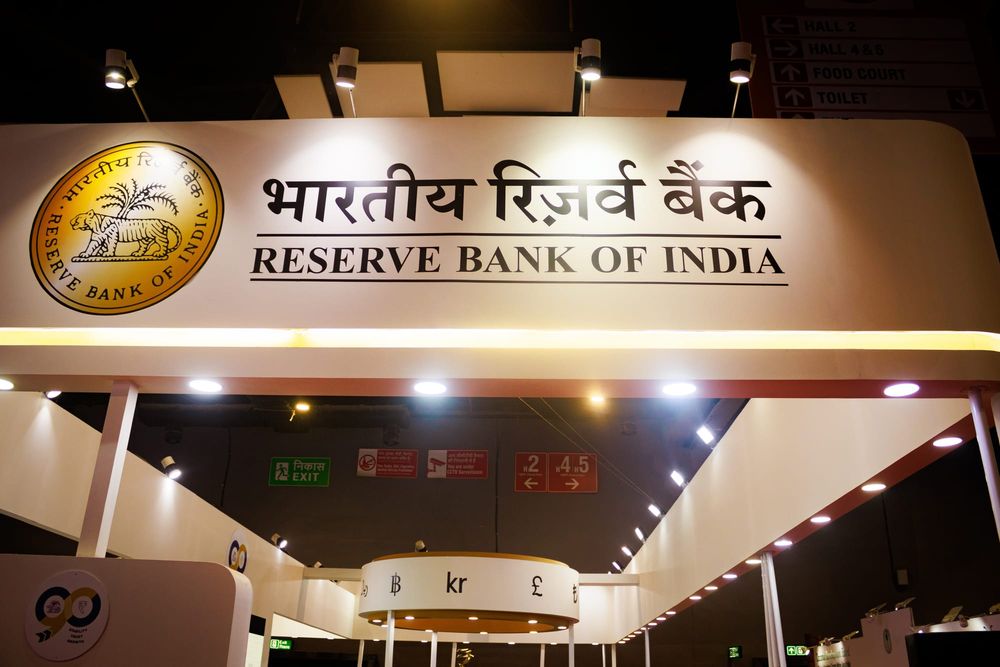
The Press Information Bureau posted a fact check on X that said claims circulating on social media were false, and that the Reserve Bank of India maintained its existing currency structure with no replacement of paper notes by plastic notes from June 30.
PIB FACT CHECK
The PIB statement addressed posts that stated India would move from paper banknotes to plastic or polymer notes from June 30. The bureau said those posts were fake, and it noted that the central bank had not issued any directive to alter the currency mix. The clarification aimed to stem public confusion that had spread across social media platforms.
The post referenced the Reserve Bank of India in confirming that there was no government or central bank plan to implement a wholesale switch to polymer notes on the date cited in the viral messages. The PIB statement was published on X.
RBI CURRENCY POSITION AND CONTEXT
The Reserve Bank of India sets the design and composition of Indian banknotes, and any material change to currency would normally come through formal RBI channels. The recent PIB clarification underscored that no such announcement had been made, and therefore the public should regard the social media claims as inaccurate.
Polymer, or plastic, banknotes have drawn interest globally as an alternative to cotton-based paper currency because of potential benefits for durability and counterfeiting resistance. Discussions about polymer notes in many jurisdictions have typically involved pilot programmes, cost-benefit assessments and consultations with currency printers and cash handlers. The PIB advisory did not reference any such RBI pilot or study, it only negated the specific claim about a June 30 replacement.
The immediate policy position, as clarified by the PIB, left the existing banknote framework unchanged. That meant banks, cash-in-transit firms and retailers continued to operate under the status quo for currency handling and issuance.
IMPLICATIONS FOR MARKETS AND CASH SYSTEMS
While the false posts prompted social media attention, the PIB clarification removed regulatory uncertainty that could have disrupted cash logistics. A sudden or unexpected change to the physical characteristics of banknotes would have wide operational implications, touching on ATM compatibility, currency sorting equipment, cash-in-transit packaging and insurance, and the supply chain for currency production.
Central banks typically communicate changes to currency through formal channels, allowing time for industry participants to adapt. The PIB message acted as a rapid corrective to misinformation, and it likely reduced the risk of premature adjustments by banks and cash handlers that might have arisen if the reports had continued to spread unchecked.
For policymakers and market participants, the episode highlighted the speed at which rumours about currency policy can circulate, and the role of official communication desks in countering that narrative. It also illustrated the need for firms that depend on physical cash to monitor official statements closely before making operational changes.
The PIB post on X did not provide additional detail about any longer term evaluation of polymer notes in India, nor did it cite any RBI studies or timelines. Observers will therefore need to look to formal RBI announcements for any future developments on note material or denomination structure.
Sources: The Hindu Business Line Banking