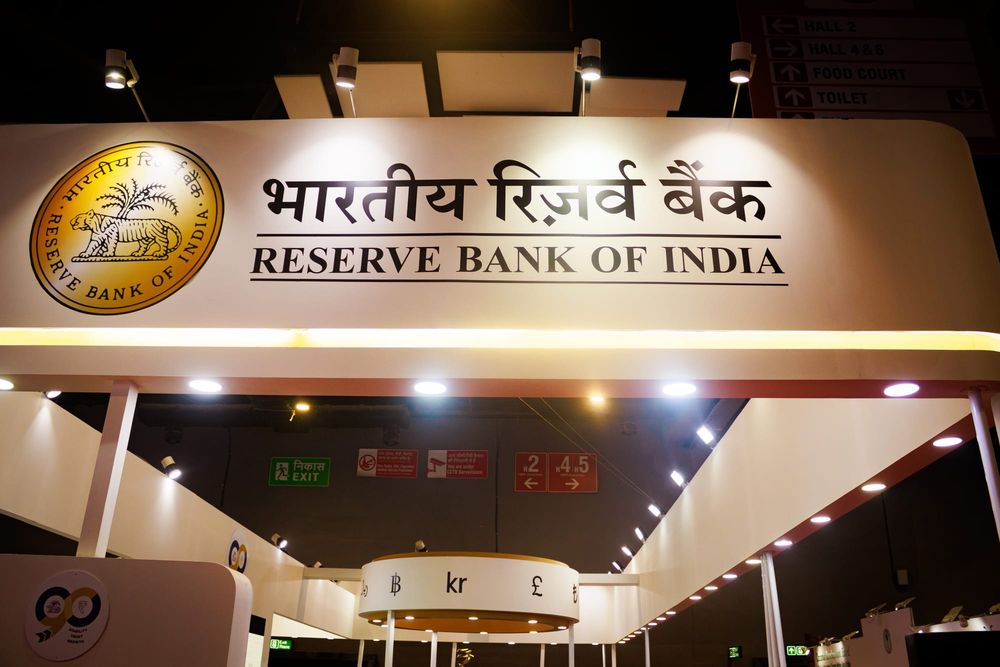
The Reserve Bank of India announced measures aimed at attracting foreign capital, and the moves buoyed the rupee, which posted its largest single day gain since April 2 on Friday.
The central bank described the package as steps to ease and encourage inflows of foreign investment into India. Market participants treated the announcements as supportive for the currency, prompting a rapid appreciation against major currencies on the day the measures were unveiled.
MARKET REACTION AND NEAR-TERM EFFECTS
Trading desks said the rupee strengthened sharply after the RBI's communication, marking a notable shift in market sentiment. The currency's move represented the most pronounced single day gain since early April, and it reflected a mix of renewed foreign interest and a recalibration of investor expectations on capital flow dynamics.
Dealers highlighted that clarity from the central bank on capital measures had an immediate effect on positioning. The central bank's interventions alleviated some of the near-term pressure on the currency, and market makers reported improved liquidity in onshore foreign exchange trading following the announcements.
IMPLICATIONS FOR CAPITAL FLOWS AND POLICY
Analysts said the RBI's action was intended to shore up investor confidence and to make Indian assets more attractive to global investors. By signalling a willingness to address cross-border capital frictions, the central bank aimed to support orderly market functioning and to stabilise the external sector.
For foreign portfolio investors, the announcements reduced uncertainty around access and the mechanics of investing in local markets, and that likely contributed to the surge in demand for the rupee. The central bank's measures also had implications for domestic liquidity management, as shifts in capital flows can affect the central bank's need to conduct operations to maintain its policy stance.
Market participants noted that any sustained change in inflows would feed into broader financial conditions. Renewed foreign investment could ease pressure on the currency, and it could also moderate volatility in local bond and equity markets. Conversely, the durability of the effect depended on broader global risk appetite and the comparative yield and growth profile of Indian assets.
Observers also pointed to the interaction between exchange rate moves and monetary policy. A stronger rupee can ease imported inflationary pressures, providing some space for domestic monetary settings, while a rapid reversal in flows would complicate the central bank's calibration of liquidity and rates.
Beyond immediate market moves, the announcements underscored the RBI's ongoing role in managing external vulnerabilities. India has faced episodic pressures from global rate shifts and risk aversion, and the central bank's tools for influencing capital flows and exchange rates remain a core element of its macroeconomic toolkit.
Regional investors watched the developments closely, given the potential for spillovers. Any policy action that materially alters capital attraction to India could affect portfolio allocations across emerging Asia, and portfolio managers considered the RBI's measures when reassessing country weightings and currency hedging strategies.
While the rupee's single day gain was the most visible market response, commentators stressed the need to observe subsequent trading days to judge the measures' effectiveness. Sustained improvements in inflows, narrower volatility, and stable liquidity conditions will be the key metrics by which the announcements are ultimately judged.
Sources: The Hindu Business Line Banking