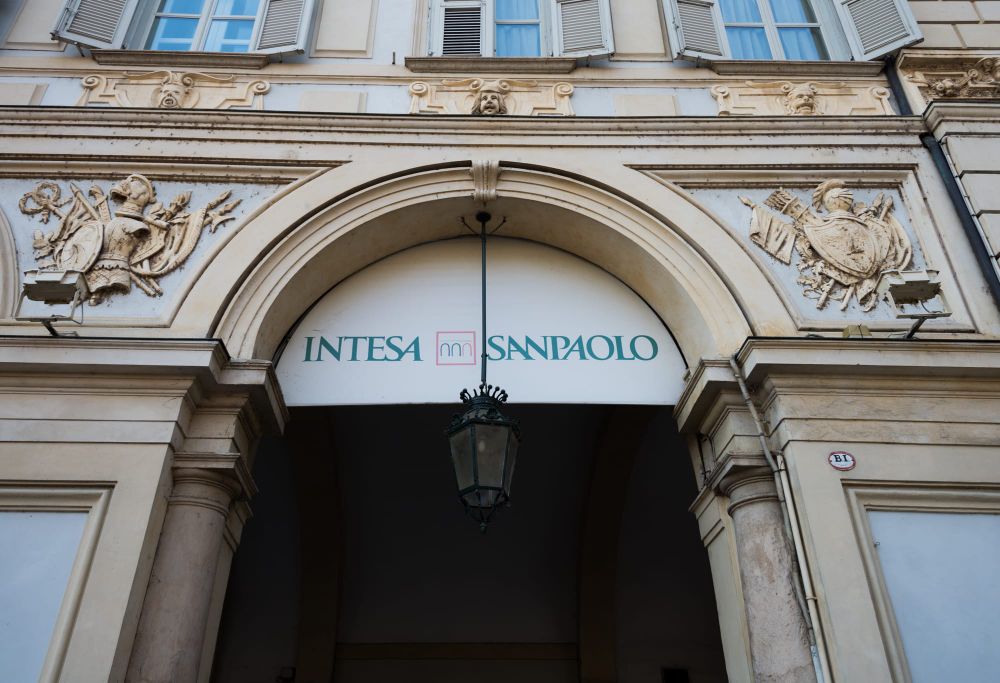
Intesa Sanpaolo launched a bid to acquire Monte dei Paschi di Siena, a move that would have made the combined group Europe’s second-largest bank and intensified consolidation in Italy’s banking sector.
DEAL ANNOUNCEMENT AND IMMEDIATE EFFECTS
The offer, reported by multiple outlets, signalled a major step in the long-running restructuring of Italy’s regional banks. Intesa Sanpaolo submitted a proposal to acquire Monte dei Paschi di Siena, commonly known by the acronym MPS, which has been at the centre of Italian banking policy and stabilisation efforts for years.
Market reaction followed the announcement, with analysts and industry participants interpreting the bid as a clear sign that consolidation among Italy’s banks was proceeding. The proposal placed Intesa Sanpaolo in a substantially larger competitive position in Europe, would have elevated its ranking among continent-wide banks and reshaped market dynamics that have been influenced by national rescue measures and restructuring since the global financial crisis.
Regulatory and supervisory scrutiny was expected to follow, given the scale of the proposed combination and the history of state involvement in MPS. The transaction would have required approval from Italian authorities and the European Central Bank, among other bodies, because of potential implications for competition, financial stability and state aid rules.
CONTEXT, RISKS AND MARKET IMPLICATIONS
Monte dei Paschi di Siena has been a focal point for policymakers due to its financial difficulties in past years and prior interventions by the Italian state. The bank’s troubles prompted a sequence of recapitalisation and restructuring efforts, and political attention on how to preserve regional lending capacity while restoring viability.
The proposed acquisition by Intesa Sanpaolo followed a period in which Italian authorities and market participants emphasised the importance of consolidating smaller and troubled lenders into stronger institutions. Supporters of consolidation argue it reduces systemic risk and creates scale efficiencies, while critics caution about potential reductions in local credit supply and job losses in regional banking hubs.
For Intesa Sanpaolo, the bid represented a strategic opportunity to expand its footprint and client base, absorb MPS’s retail and corporate operations and achieve cost synergies through integration. For the wider banking sector, the deal underscored the continuing trend of mergers and acquisitions across Europe as institutions seek to adjust to low interest rates, heightened regulatory standards and evolving technology demands.
Investors and counterparties monitored how the transaction would affect asset quality and capital ratios at the combined group, as well as the timeline for integration. Observers noted that detailed due diligence and subsequent regulatory reviews typically shaped the final structure and conditions of major bank mergers, including possible divestments to address competition concerns.
Beyond immediate industry impacts, the bid illustrated the political dimension of large domestic banking deals in Italy. Government officials and regulators historically played active roles in resolving banking crises, balancing the objectives of financial stability, taxpayer protection and regional economic interests.
While the announcement represented a decisive move in the consolidation narrative, the outcome depended on negotiations, regulatory approvals and the ability of both institutions to agree final terms. The bid added to a wave of transactions in the European banking sector that reflected continued shifts in market structure and strategic priorities.
Sources: Euronews.com