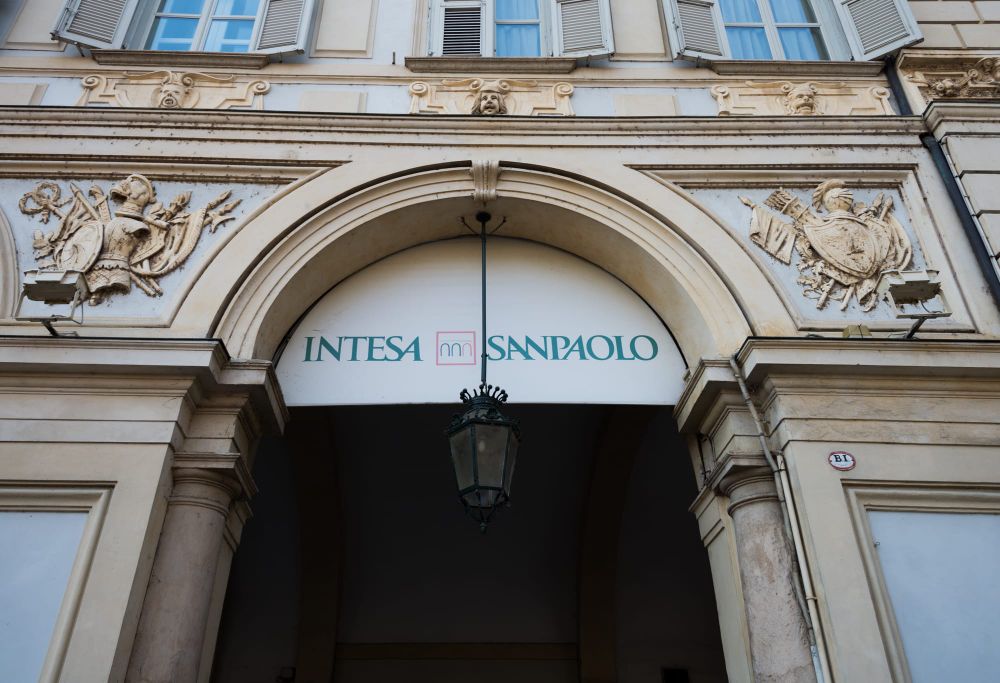
Intesa Sanpaolo launched an unsolicited offer on Monday valuing Monte dei Paschi di Siena at $35.3 billion, stepping into a contest for the world’s oldest bank after Banco BPM had proposed a merger of equals the previous day.
DEALS AND OFFERS
The move by Intesa Sanpaolo followed a formal proposal from Banco BPM that set out a merger of equals with Monte dei Paschi, creating a two-way contest for control of the Italian lender. The proposals arrived in quick succession, underscoring a sudden intensification of takeover interest in one of Italy’s most storied banks.
Intesa Sanpaolo’s bid was described in reports as unsolicited. Banco BPM had framed its approach as a merger of equals, while Intesa Sanpaolo’s filing positioned its offer as a direct acquisition. Both approaches targeted the same bank, leaving Monte dei Paschi’s board and shareholders to weigh competing combinations and to consider the likely paths through corporate governance and regulatory review.
Monte dei Paschi, long identified as the world’s oldest bank, became the focal point of the proposals. The two offers differed in form and public framing, with Banco BPM advancing a combination narrative and Intesa Sanpaolo submitting a cash valuation headline that was prominent in media coverage.
MARKET AND REGULATORY IMPLICATIONS
The competing proposals highlighted broader consolidation dynamics in the Italian banking sector, where lenders have periodically sought scale through deals. Market observers noted the strategic logic of combining operations to improve efficiency and to expand franchise reach, though such rationales were not formally documented by the bidders in the reports cited.
Any transaction involving Monte dei Paschi would have required regulatory clearance and shareholder approval. Observers expected that regulators would assess competition, the impact on financial stability, and the compatibility of the combined entity with existing supervisory frameworks. The regulatory process was likely to shape the timeline and the terms available to each bidder.
Investors and industry participants viewed the auction-style contest as a test of appetite for major consolidation in Italy. The quick succession of proposals suggested bidders believed there was scope to capture strategic value, while directors at Monte dei Paschi faced a decision between different value propositions and structures offered by the two suitors.
Analysts noted that the form of an offer, whether a merger of equals or a control acquisition, affected both the balance of power at the bank and the likely integration plan. A merger of equals typically implied a negotiated governance arrangement among equals, while a direct acquisition signalled a clearer change of control and a distinct integration blueprint under a single owner.
The announcements also underscored the sensitivity of large bank deals to investor sentiment and to political considerations in Italy. Large transactions in the banking sector had in past years attracted scrutiny that combined economic, political, and regulatory elements. The competing bids for Monte dei Paschi therefore carried implications beyond the immediate consolidation question, touching on regional banking structures and national financial stability dialogues.
The rush of offers left Monte dei Paschi’s stakeholders to assess competing strategic and financial terms, and to determine whether to pursue one of the proposals or to solicit alternative offers. The situation exemplified how contestable assets can prompt rapid strategic moves by rivals looking to reshape market positions.
Sources: Banking Dive