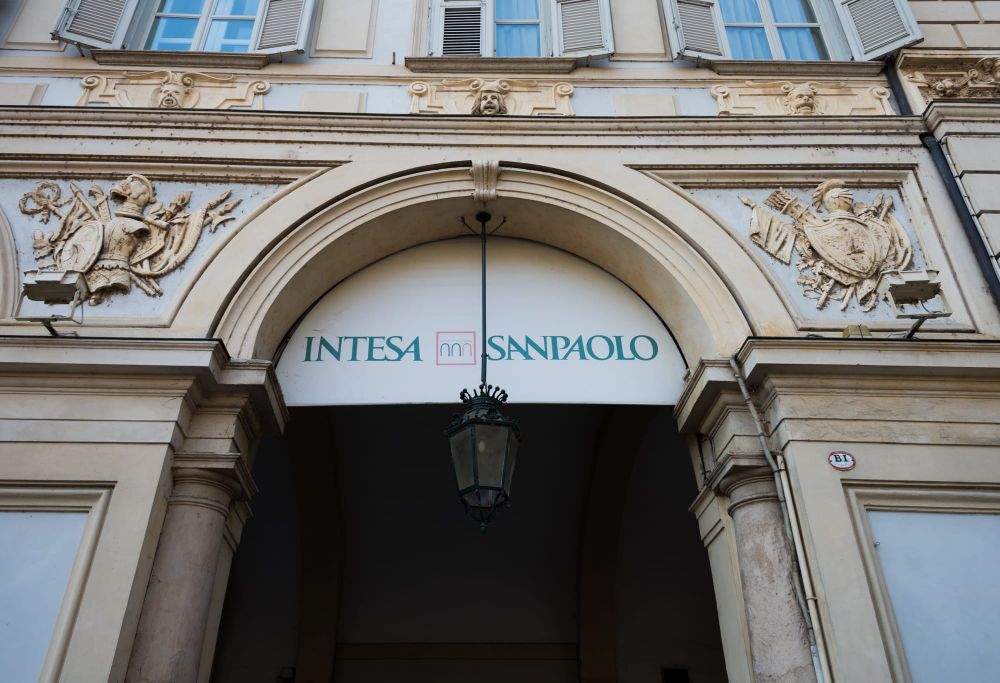
Italy's Intesa Sanpaolo launched a takeover bid for Monte dei Paschi di Siena, known as MPS, a proposal that would have made the combined group the second largest bank in Europe by assets, according to reporting by Euronews.
The offer represented a major consolidation move in Italy's banking sector, with one of the country's largest lenders seeking to absorb a long-standing domestic rival. The bid drew immediate attention because of the scale of the combination and the implications for competition, financial stability and regulatory oversight in both Italy and the European Union.
STRATEGIC RATIONALE AND MARKET CONTEXT
Intesa's approach followed a period of heightened interest in consolidation across European banking, where pressure on margins and the need for scale have driven deal activity. The move to acquire MPS mirrored a broader strategy by larger banks to expand market share and diversify revenue streams through targeted acquisitions.
Analysts and market participants noted that the proposed combination would have significantly reshaped the Italian banking landscape, concentrating more assets under one institution. Intesa Sanpaolo presented the bid as a strategic step to build scale, while the acquisition target, MPS, had been the subject of attention from investors and policymakers in recent years.
The transaction raised immediate questions about integration challenges, potential cost rationalisation, and the need to align risk management frameworks across the two organisations. Executing a deal of this profile would have required careful planning around branch networks, IT systems and corporate governance, as well as a coherent plan for dealing with any legacy asset quality issues on MPS's balance sheet.
REGULATORY AND POLICY IMPLICATIONS
Regulatory approval formed a central part of the transaction narrative, with Italian and European authorities expected to scrutinise any takeover of this size. Observers flagged potential concerns around market concentration, state involvement in past stabilisation measures, and the broader public interest given the systemic role of large banks in Italy.
Because the bid involved two major banks operating within a single national market, issues such as depositor protection, competition policy and financial stability were likely to feature prominently in regulatory assessments. The deal also posed political considerations, given the sensitivity of bank consolidations in Italy and the importance of banking services to regional economies.
For the banking industry, a successful acquisition would have underscored the enduring trend toward consolidation in Europe, driven by the need to achieve scale economies and improve return on equity in a low interest rate and high regulatory cost environment. At the same time, integration risk and the need for transparent restructuring plans tended to temper enthusiasm among investors and stakeholders for deals that lacked clear operational roadmaps.
Market participants were expected to monitor closely any disclosures from the parties and statements from regulators to assess the likely timeline and conditions for approval. The commercial and political complexity of bank mergers in the region generally meant that even announced bids could face protracted review processes.
In sum, Intesa Sanpaolo's bid for Monte dei Paschi marked a notable development in European banking consolidation. The offer, and the prospect that the combined entity would rank as Europe's second largest bank by assets, concentrated attention on the Italian financial sector and on the regulatory challenges inherent in deals of this scale.
Sources: Euronews