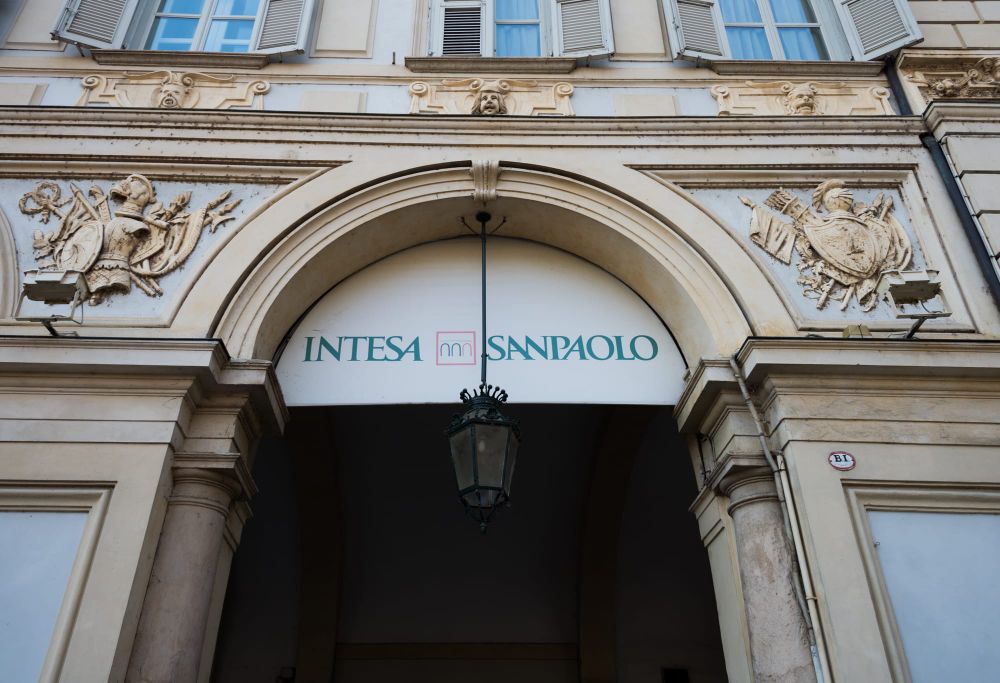
Intesa Sanpaolo launched a takeover bid for Monte dei Paschi di Siena, a move that the bidder said would have created the second-largest bank in Europe and marked a major step in Italian banking consolidation.
DEAL AND REGULATORY PATH
The bid, announced through market channels, represented a strategic attempt by Intesa Sanpaolo to absorb one of Italy's most prominent banks. The proposal immediately raised questions about the regulatory approvals that would be required, both in Italy and at the European level, and about the conditions regulators might attach to a large domestic consolidation.
Observers noted that any transaction of this scale would face scrutiny on competition and financial stability grounds. National and European authorities typically assess the systemic impact of such combinations, the likely effects on customers and creditors, and the need for remedies to preserve market contestability. The announcement therefore started a process that would have involved multiple supervisory and competition agencies.
Intesa's approach followed a period of market attention on bank consolidation in Italy and across the euro area. While the bidder framed the transaction as a step to strengthen the domestic banking sector, the mechanics of integration, governance arrangements, and the treatment of legacy assets were likely to feature in regulatory reviews and investor due diligence.
MARKET AND STRATEGIC IMPLICATIONS
The proposed deal would have reshaped the European banking map by elevating Intesa Sanpaolo to a near-top position among continental lenders. For the Italian market, the bid signalled renewed momentum toward consolidation after years in which policymakers and industry leaders debated scale as a route to efficiency and competitiveness.
Market participants were expected to parse implications for branch networks, loan portfolios, and corporate and retail banking franchises. Consolidation can deliver cost synergies through branch rationalisation and back-office integration, but it also brings integration risk and potential clashes over culture and strategy. The transaction therefore created strategic choices for both banks' boards and stakeholders.
Credit markets and investors in bank equities typically react to such announcements on the basis of perceived balance-sheet benefits and execution risk. While some investors welcome consolidation for the prospect of higher returns on capital, others focus on the near-term costs of integration and on the handling of any troubled assets that the target bank may carry.
Analysts and market contacts also flagged the potential political dimension. Large domestic bank mergers often attract attention from government officials and labour stakeholders due to implications for regional employment and access to banking services. In Italy, where banking and regional politics have long intersected, that dimension can become a lively part of public debate.
Operationally, the two banks would have needed to develop plans for IT integration, credit portfolio harmonisation, and harmonised risk management frameworks. Such exercises are complex and time consuming, and industry experience shows that they can affect customer experience and capital metrics during the transition.
Finally, the announcement underscored continuing consolidation pressure across European banking, driven by low interest margins, digital disruption, and the search for scale. Deals of this profile typically prompt rival banks to reassess strategy, with potential knock-on effects for M&A activity in the sector.
Sources: Euronews.com