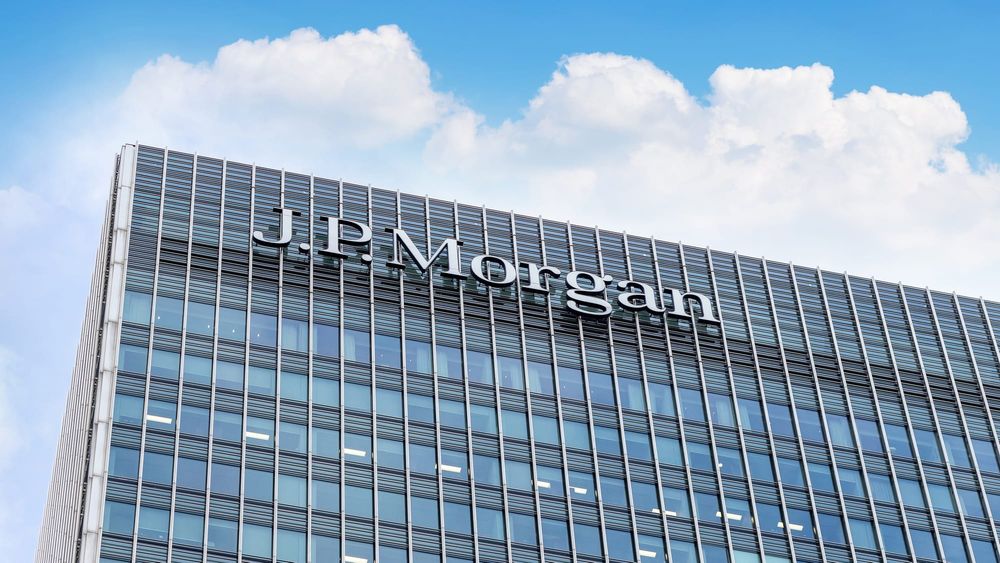
Global banks committed $906 billion to fossil fuel financing in 2025, an overall increase of 8 percent from the prior measurement period, with funding earmarked for expansion rising 27 percent, the Banking on Climate Chaos report found.
REPORT FINDINGS
The report ranked the world’s largest banks by their financial exposure to fossil fuel companies and projects. It identified a broad increase in credit, underwriting and project finance tied to oil, gas and coal, and it highlighted growing support for capacity additions and expansion even as many institutions publicly pledged to align with net zero goals.
Institutions named in coverage of the report included major North American and international banks, among them JPMorgan, Bank of America and Citi, as well as Canadian banks listed in reporting, including RBC and Scotiabank. The findings showed that while some banks maintained or tightened restrictions on specific sectors or projects, aggregated industry activity resulted in the reported rise in overall financing and a sharper increase in funds linked to expansion of fossil fuel production.
The analysis in the report distinguished between financing that supported existing operations and financing that specifically facilitated growth or new developments in fossil fuel production. That latter category recorded the steeper increase, a point that campaigners and industry observers said indicates continued private-sector backing for supply-side expansion despite the international focus on reducing greenhouse gas emissions.
MARKET AND POLICY IMPLICATIONS
The trend identified by the report carried implications for banks’ reputations, investor relations and regulatory risk. Continued financing for expansion of fossil fuel capacity exposed lenders to scrutiny from environmental campaigners, asset owners with climate mandates and some institutional stakeholders who have pressed for alignment with decarbonisation pathways.
For banks, the disclosures and rankings created a clearer benchmark that investors and clients could use to assess environmental exposure. The report materialised amid a broader shift in financial markets toward demanding more granular climate-related disclosures and clearer pathways from banks on how they intended to reconcile lending practices with climate commitments.
Analysts and market participants said the figures could influence credit allocation and risk assessments. Banks with sizeable exposure to fossil fuel expansion could face reputational pressure that affects client relationships, fundraising and access to ESG-focused capital, while also attracting attention from policymakers concerned with climate policy coherence across public and private sectors.
Some lenders had previously announced sector-specific restrictions or enhanced due diligence processes, and the industry remained uneven in its approaches to screening and limiting finance that supported new fossil fuel projects. The report’s authors framed the aggregated increase as evidence that voluntary commitments and incremental policy changes had not yet translated into a sector-wide reduction in financing for fossil fuel expansion.
Market reaction to the report varied. Certain institutional investors and civil society groups used the findings to press for tighter bank policies, while corporate clients and some jurisdictions continued to rely on bank financing for energy projects. The divergence underscored ongoing tensions between near-term energy security and longer-term climate objectives, and it served as a touchpoint for debates about transitional finance and the role of banks in managing climate-related credit risk.
Regulatory and supervisory bodies in several jurisdictions were already examining how banks manage climate-related financial risks. The report was likely to inform those conversations by providing updated, comparative data on bank exposures. At the same time, banks continued to publish their own climate reports and policy updates, producing a patchwork of disclosure practices that observers said made cross-institutional comparisons challenging.
Sources: Banking Dive