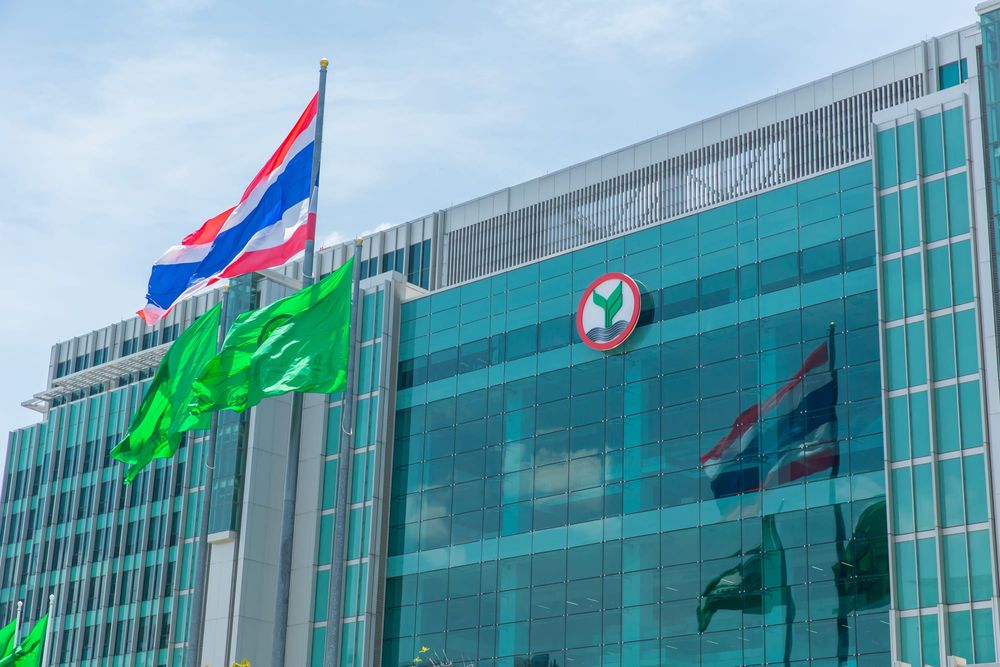
Kasikornbank said the ongoing war in the Middle East had weighed on its asset quality in the second half of the year, and the bank pledged to provide proactive support and relief measures for customers affected by the conflict.
IMPACT ON ASSET QUALITY
The Bangkok-headquartered bank, commonly known as KBank, flagged deterioration in credit metrics as a direct consequence of the conflict, saying the situation had put pressure on asset quality in the latter half of the year. The bank did not release detailed breakdowns of exposures or quantify the impact, but its public notice reflected concern that loan performance could weaken where clients have direct or indirect links to the affected region.
Analysts and market participants have repeatedly cited several channels through which geopolitical shocks can affect banks. These include stress among corporate borrowers with trade or operational ties to the region, disruptions to trade finance flows and cross-border payments, and potential declines in remittances where migrant labour is involved. KBank’s statement echoed those risks without specifying which sectors or borrower segments were most affected.
Asset quality measures typically used by banks include nonperforming loan ratios and loan-loss provisions. KBank’s acknowledgement of pressure on asset quality suggested the bank might face increased provisioning needs, which in turn can compress earnings. The bank also signalled operational intent to prioritise customer relief, an approach that can affect short-term credit metrics while aiming to preserve longer-term customer relationships.
BANK RESPONSE AND MARKET IMPLICATIONS
KBank said it would roll out relief and support measures to help customers affected by the conflict. The bank did not list specific programmes or eligibility criteria in its notice, and it did not provide a timetable for the support measures. Such measures commonly include payment holidays, loan restructuring and temporary easing of covenants, depending on borrower circumstances.
Proactive support strategies can limit immediate defaults but may delay recognition of underlying credit stress. For banks that take this approach, regulators and investors often scrutinise the extent and duration of forbearance to ensure it does not mask cumulative deterioration. KBank’s public commitment to relief measures indicated a preference for targeted assistance rather than broad-based write-offs.
Market implications extend beyond KBank’s balance sheet. Regional peers with similar exposure profiles may face comparable risks, and banks with significant corporate lending tied to international trade routes could see contagion effects. For investors, unexpected rises in provisioning or slower credit recovery can weigh on bank earnings and share prices, while for regulators the priority tends to be financial stability and clear reporting on asset quality trends.
For now, KBank’s statement functioned as an early caution to stakeholders that the conflict had tangible banking-sector consequences in Asia. The communication framed the issue as manageable through targeted customer support, while acknowledging a material effect on credit metrics in the past reporting period. Observers will look for follow-up disclosures in interim financial statements or regulatory filings for a clearer view of magnitude and duration.
Kasikornbank’s positioning also suggested a balancing act between short-term credit metrics and long-term client retention. By pledging relief measures, the bank signalled intent to cushion clients under stress, but it left open how much of that support would translate into delayed charge-offs or higher provisioning later.
Sources: Bangkok Post Finance