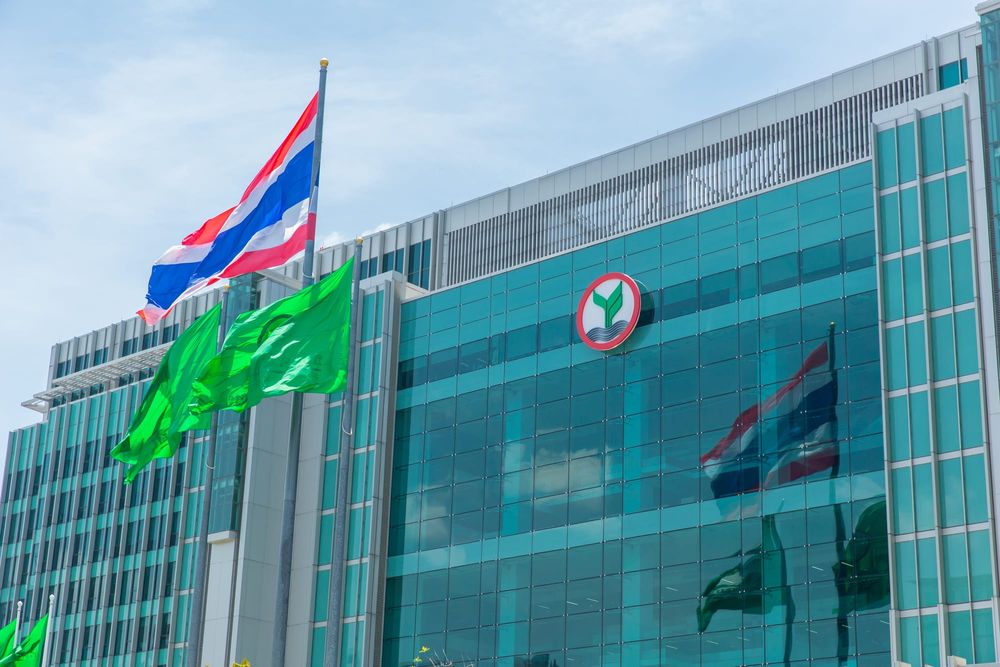
Kasikornbank said it expected the ongoing war in the Middle East to weigh on its asset quality in the second half of the year, and it pledged to provide proactive support and relief measures for customers affected by the conflict.
IMPACT CHANNELS
The Bangkok-based lender identified the conflict as a headwind for credit performance, citing the potential for stress to emerge among borrowers with direct or indirect exposure to the region. In its public comments, the bank linked the deterioration in asset quality to the broader economic disruptions caused by the hostilities, and said it would offer targeted relief to clients hit by the fallout.
Bank executives did not give detailed figures on expected loan losses or nonperforming loans in the announcement. Industry analysts said such disclosures typically precede more detailed updates, including adjustments to provisioning and risk management plans, which banks disclose when they report quarterly results or hold investor briefings.
Channels through which the conflict could affect Thai lenders include trade and commodity price volatility, interruptions to supply chains, and slower receipts of remittances or export revenues for companies with ties to the Middle East. Consumer-facing sectors that depend on travel and tourism, or on trade flows routed through the region, could also see cash flow pressure that eventually shows up in loan performance.
MARKET AND REGULATORY IMPLICATIONS
For Kasikornbank, the immediate priority, as it framed it, was to shield affected customers and limit the transmission of stress into the bank's balance sheet. The bank said it would roll out relief measures, without specifying their form or scale in the initial statement. Such measures commonly include payment holidays, restructuring of loan terms, and temporary relief for small and medium sized enterprises, depending on borrower profiles and regulatory allowances.
The development could prompt closer scrutiny of loan books across the Thai banking sector. Regulators typically monitor credit quality trends and may engage with banks to assess the adequacy of provisioning and capital buffers, particularly if sectorwide stress emerges. Market participants also watch for signs of rising problem loans and higher provisioning charges, which can weigh on profitability and capital ratios.
Kasikornbank's announcement came against a backdrop of heightened geopolitical risk that has complicated planning for banks and corporate treasuries across Asia. Lenders with cross-border exposures have had to reassess risk scenarios and contingency plans, while investors have factored geopolitical uncertainty into valuations of regional financial institutions.
Analysts said the scale of any hit to Kasikornbank's asset quality will hinge on the duration and geographic spread of the conflict, as well as the direct exposure of its corporate and retail customers. A short, contained episode is likely to have limited long-term impact, while a protracted period of disruption could force banks to increase loan loss provisions and reprice risk on new lending.
Kasikornbank's pledge of assistance to customers aimed to temper immediate distress and preserve credit relationships. Such proactive measures can also help banks manage reputational risk and support economic recovery in affected sectors, although they can delay the recognition of credit deterioration if relief measures temporarily mask underlying borrower weakness.
Investors and analysts will now look for follow up disclosures from the bank, including any revisions to its risk outlook, updates on provisioning, and details on the relief measures it plans to implement. Those details will be pivotal in assessing the bank's resilience and its ability to absorb shocks without undermining capital adequacy.
Sources: Bangkok Post Finance