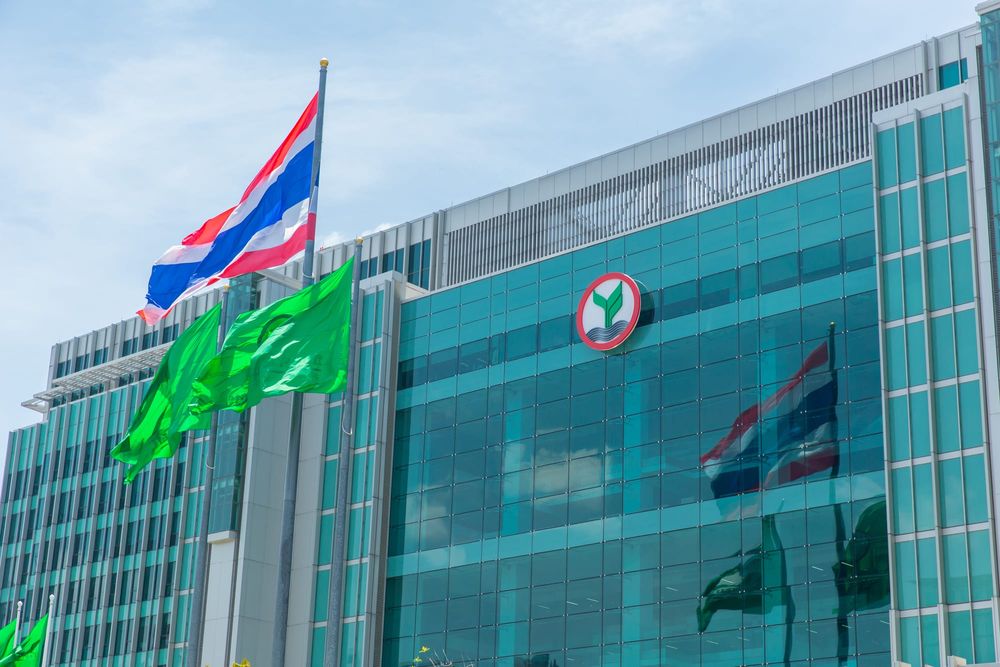
Kasikornbank said it expected the ongoing war in the Middle East to weigh on the bank's asset quality in the second half of the year, and it pledged to provide proactive support and relief measures for customers affected by the conflict.
KBANK RESPONSE AND RELIEF MEASURES
The Bangkok-headquartered lender said management had been monitoring the situation closely and that contingency planning was under way to help clients experiencing stress as a result of the conflict. The bank said it planned to roll out targeted relief measures and to take a supportive approach for borrowers whose operations or cash flows were disrupted.
While the bank did not disclose detailed exposure figures, the announcement signalled a shift toward precautionary provisioning and tighter credit monitoring for portfolios that could be vulnerable to geopolitical shock. The bank said it would prioritise assistance for customers in trade, logistics and other sectors with links to the Middle East, and that it would engage with borrowers to obtain a clearer picture of potential loan-performance deterioration.
Asset quality assessments, the bank said, would reflect evolving economic conditions and any direct or second-round effects from the conflict. That included potential supply chain interruptions, commodity price volatility and disruptions to regional trade and remittance flows that could affect corporate and household borrowers.
MARKET IMPLICATIONS FOR THAILAND LENDERS
Analysts and market participants said the bank's statement underscored the sensitivity of regional lenders to geopolitical events outside their domestic markets. For Thailand's banking sector, exposure to international trade and commodity-linked sectors means external shocks can quickly translate into credit stress.
Kasikornbank's pledge of support for affected clients was designed to limit immediate losses and to preserve franchise value, according to commentary in the market. The bank emphasised that relief measures would be calibrated to customer circumstances, which suggested a continuation of forbearance practices that banks employed during prior global shocks.
Regulators typically expect banks to maintain robust risk governance and to make prudent provisioning where credit quality deteriorates. In this case, the lender's public acknowledgement of risk and its intent to support borrowers could shape supervisory dialogue and market expectations about sector-wide provisions and capital buffers.
In the near term, banks with concentrated exposures to vulnerable sectors could face pressure on nonperforming loan ratios and coverage metrics if the conflict persisted or escalated. Market participants said that the scale and duration of economic disruption would determine whether impacts remained manageable or translated into wider stress across corporate and retail portfolios.
Kasikornbank's response also reflected broader industry practice in the region, where lenders have increasingly emphasised customer engagement and tailored workout plans to manage cyclical and idiosyncratic shocks. That approach aims to contain losses while preserving client relationships that may be valuable once conditions normalise.
Investors and analysts would monitor subsequent company updates, regulatory filings and quarterly results for concrete indicators of asset quality deterioration, such as increased provisioning or higher classified loans. For now, the bank's statement provided an early warning that management had begun to factor geopolitical risk into its credit outlook.
Kasikornbank's disclosure followed reporting by local media that the conflict had prompted concern among Thai corporates with business links to the Middle East. The bank's notice was likely aimed at reassuring stakeholders that it had contingency plans and that it would act to support affected customers while protecting its balance sheet.
Sources: Bangkok Post Finance