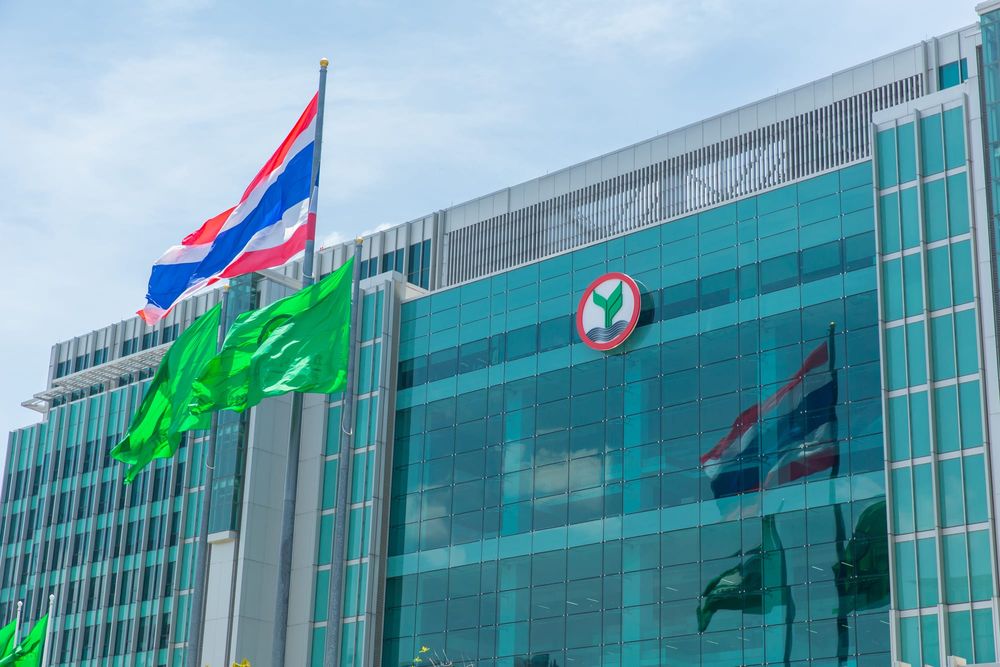
Kasikornbank said the ongoing war in the Middle East had weighed on the bank's asset quality in the second half of the year, and it pledged to provide proactive support and relief measures for customers affected by the conflict.
KASIKORNBANK RESPONSE AND RELIEF MEASURES
The Bangkok-headquartered lender reported that the geopolitical shock had created elevated credit risks for the remainder of the year, and it outlined a readiness to deploy relief and support measures for clients experiencing stress as a result of the conflict. The bank's public statement indicated a focus on targeted interventions rather than blanket measures, emphasising assistance for customers with direct exposure to the affected markets and for borrowers whose cash flows had been disrupted.
The statement did not set out detailed quantitative guidance on the size of potential credit deterioration or on additional provisioning. Instead, the bank framed the measures as precautionary steps intended to preserve franchise strength and to maintain access to finance for viable borrowers. In previous regional shocks, Thai banks employed payment holidays, interest rate adjustments and restructuring options; Kasikornbank said it would adopt a similar toolkit calibrated to customer needs.
MARKET CONTEXT AND IMPLICATIONS
The bank's assessment reflected a wider concern among Asian lenders over spillovers from the conflict, including disruptions to trade flows, volatility in commodity markets and potential pressure on remittance and tourism receipts. Those channels have historically altered credit profiles for corporate and retail borrowers, particularly for banks with client exposure to affected sectors or geographies.
Kasikornbank's announcement came at a time when investors and regulators were closely watching bank balance sheets for signs that geopolitical instability could translate into rising nonperforming loans. The bank's commitment to proactive customer support was intended to mitigate the risk of sudden credit deterioration, by enabling tailored relief that could prevent short-term shocks from becoming longer-term defaults.
For Thailand's banking sector, the significance of such a pledge lies in the potential to limit contagion through the domestic economy. A measured approach to relief can preserve borrower relationships and reduce the need for widespread forced asset sales, which in turn can stabilise market perceptions. However, the effectiveness of these measures depended on the depth and duration of the shock in the affected regions, and on the bank's ability to identify which borrowers faced transitory cash flow problems versus those with more structural credit weakness.
Analysts and market participants typically monitor a range of indicators after such disclosures, including trends in loan loss provisions, changes in nonperforming loan ratios and shifts in sectoral exposures. While Kasikornbank signalled preparedness to act, it did not disclose detailed plans on capital buffers or provisioning strategies in its statement, leaving market observers to look for these signals in upcoming quarterly results and regulatory filings.
Regulators in the region have in past episodes urged banks to balance short-term relief with prudent risk recognition, to avoid delayed recognition of losses that could complicate balance sheet management later. Kasikornbank's public commitment to targeted relief aligned with that regulatory preference, emphasising case-by-case assessments and efforts to preserve lending relationships for viable businesses.
Domestically, the impact on the bank's credit portfolio would depend on the concentration of loans linked to international trade, energy, tourism and remittance-dependent households. Kasikornbank's client support measures aimed to address the most immediate sources of stress, while monitoring for secondary impacts that could require more comprehensive portfolio adjustments.
Going forward, markets were likely to assess the bank's forthcoming financial disclosures for concrete signs of asset quality deterioration or elevated provisioning. For investors, the key questions included whether the bank's capital position and liquidity buffers would remain sufficient should the conflict persist, and how quickly management could return to normalised underwriting and credit monitoring practices.
Sources: Bangkok Post Finance