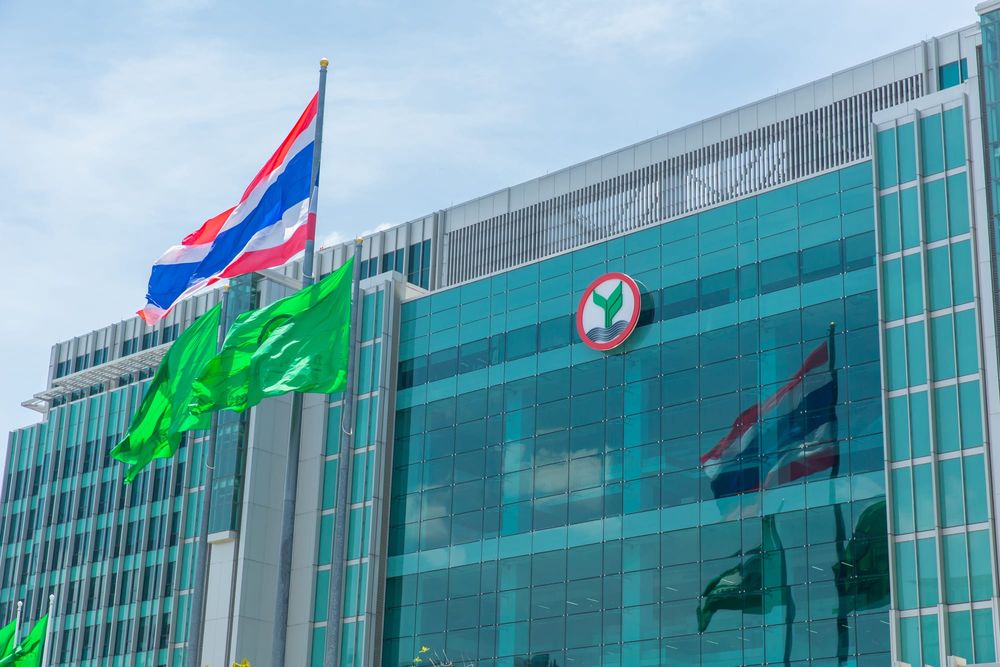
Kasikornbank said the ongoing war in the Middle East had weighed on its asset quality outlook for the second half of the year, while the bank pledged to provide proactive support and relief measures for customers affected by the conflict.
IMPACT ASSESSMENT
The Bangkok-based lender reported that the geopolitical shock had created headwinds for borrower performance and would put pressure on asset quality metrics as the year progressed. The bank framed the deterioration as a function of external uncertainty linked to the conflict, saying the situation had already begun to affect the operating environment for some corporate and retail customers.
Management conveyed a cautious assessment rather than a definitive escalation of credit losses, and the bank did not publish detailed figures in its public statement. Kasikornbank framed the issue as prospective pressure on credit conditions in the second half of the year rather than a completed deterioration in books to date.
BANK RESPONSE AND CUSTOMER RELIEF
In its announcement the bank said it would provide proactive support and relief measures for customers affected by the conflict, without specifying the precise measures to be deployed. The statement signaled a readiness to assist borrowers facing hardship as disruptions filtered through trade channels, supply chains and cash flows.
Industry observers noted that banks typically deploy a range of support actions in such circumstances, including tailored payment arrangements, temporary relief and borrower engagement, though the bank did not enumerate which options it would use. The announcement sought to reassure markets and clients that the lender would actively manage emerging credit stress while monitoring developments in the Middle East.
MARKET AND SECTOR IMPLICATIONS
The bank's guidance reflected broader concerns for Asian lenders with trade, energy and remittance linkages to the Middle East. Even without a direct lending exposure to the conflict zone, banks can face second-order effects from higher input costs, disrupted shipping and weaker demand among internationally exposed borrowers. Investors frequently watch asset quality commentary for early signs of provisioning pressure and potential capital impacts.
For Thailand's banking sector, the announcement added to a chorus of risk alerts tied to external shocks. Regulators and market participants generally monitor industry-level nonperforming loans and provisioning trends for signs that temporary shocks are evolving into longer term credit deterioration. The bank's commitment to customer support aimed to limit loan delinquencies by addressing stress early, while preserving recovery options if conditions worsened.
Analysts tracking the region highlighted that geopolitical shocks tended to increase volatility in markets and to raise the cost of funding for some borrowers, which in turn could filter back into banks' credit books. The scale of any material impact on capital buffers or profitability depended on how widespread and persistent the shock proved, and how quickly trading conditions normalised.
Kasikornbank's statement did not detail any interaction with regulators or changes to provisioning policy in the immediate term. The bank instead emphasised monitoring and targeted customer relief as its primary response, suggesting a measured approach to credit management while continuity risks remained elevated.
For markets, the bank's communication provided an early sign that financial institutions with links to global trade routes were factoring in the conflict as a potential drag on asset quality. Stakeholders were likely to watch subsequent quarterly disclosures for concrete movements in nonperforming loans, coverage ratios and provisioning charges to assess the financial impact more precisely.
Sources: Bangkok Post Finance