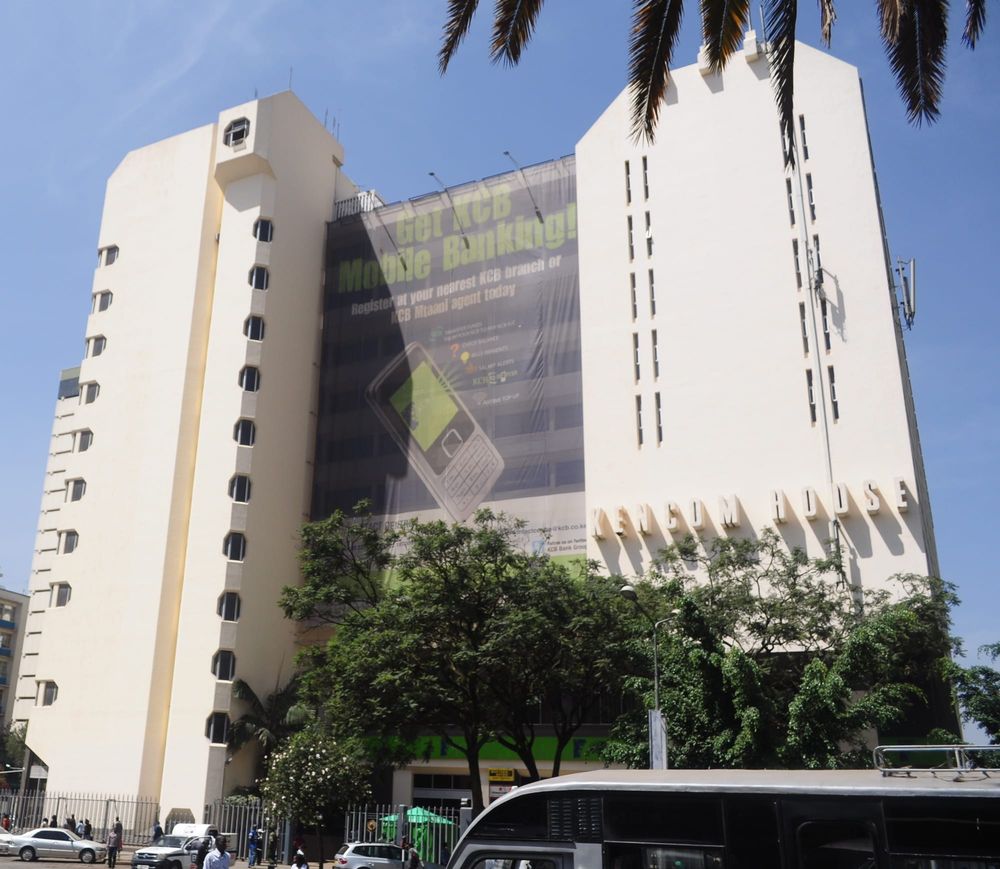
KCB Group, Kenya's largest lender by assets, has unveiled a sustainability bond framework of up to KSh 300 billion, or approximately USD 2.3 billion, to be executed over five years, with proceeds ring-fenced for a mix of green, blue and social projects. The Nairobi-based bank announced the programme on 19 August, setting out one of the largest labelled-debt frameworks yet from an East African lender.
The framework has been assigned a sustainability quality score of SQS-2 by Moody's, and is aligned with the International Capital Market Association's Green Bond Principles, Social Bond Principles and Sustainability Bond Guidelines, KCB said. Those are the reference standards used by global investors to assess ESG-labelled debt and by issuers to structure such instruments.
GREEN, BLUE AND SOCIAL SCOPE
Eligible uses of proceeds under the framework span renewable energy, sustainable water and blue economy projects, affordable housing, financing for micro, small and medium enterprises, and healthcare. The breadth reflects the range of development priorities in KCB's core markets, from clean power to inclusive finance and social infrastructure across the region the group serves.
By combining green, blue and social criteria in a single instrument, the group is positioning itself to tap the growing pool of institutional capital that specifically seeks sustainability-labelled bonds, while retaining the flexibility to direct proceeds toward the projects most in demand across its footprint at any given time.
Blue-economy financing, which supports marine and freshwater resources, has emerged as a distinct sub-segment of the sustainable finance market, particularly for banks with coastal and island-nation exposures. Its inclusion is one of the more distinctive features of KCB's framework and signals the group's intent to lean into ocean and freshwater themes.
MOODY'S SQS-2 ASSESSMENT
The SQS-2 score from Moody's places the framework at the second-highest tier on its scale, signalling a high standard of alignment with sustainable finance principles. Independent second-party opinions and quality scores have become de facto requirements for issuers seeking to price sustainability-labelled bonds at levels competitive with conventional debt.
Alignment with all three ICMA principle sets – for green, social and sustainability instruments – gives KCB the option to issue individual green or social bonds under the same framework, in addition to bonds carrying the broader sustainability label. That flexibility can help match investor mandates that specialise in one segment of the market rather than the full sustainability spectrum.
The KSh 300 billion ceiling establishes an unusually large programme by East African standards. Even if fully utilised over five years, actual issuance would depend on market conditions, project pipeline and the bank's overall funding needs across its subsidiaries in Kenya, Tanzania, Rwanda, Burundi, Uganda, South Sudan and the Democratic Republic of Congo.
KCB has been publicly committed to embedding sustainability into its lending and funding strategy for several years, and the new framework provides the formal architecture to translate that commitment into labelled capital-market issuance for both local and international investors. The programme also positions the group to play a visible role in financing Kenya's transition and social agendas over the coming five-year window covered by the framework, subject to market appetite for individual issues.