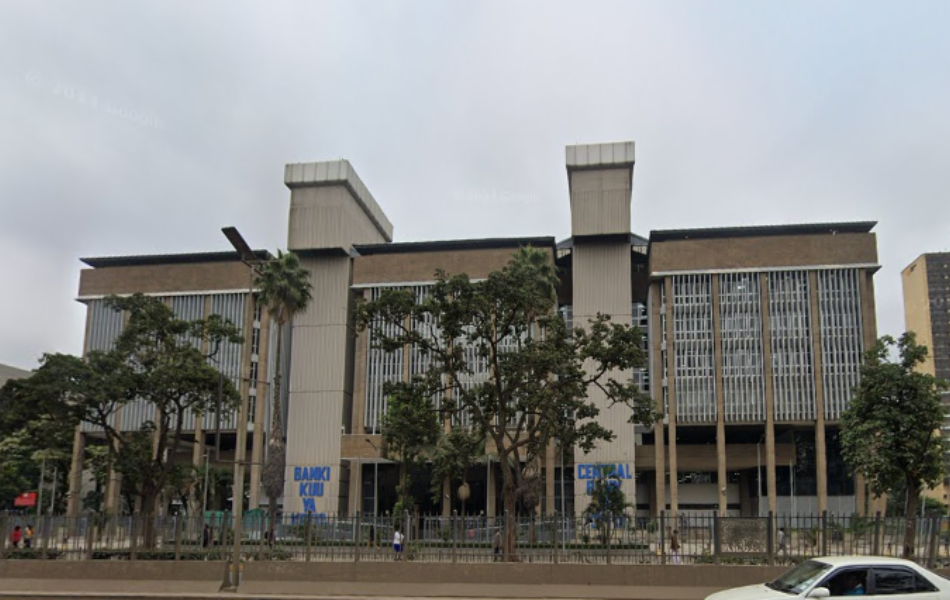
The Central Bank of Kenya proposed tighter capital and distribution rules for commercial lenders. Banks with common equity tier 1 capital below 8.625% of risk-weighted assets would be barred from paying dividends under the draft. The regulator also proposed a countercyclical capital buffer ranging from 0.5% to 2.5%. The measures remain subject to public review.
The proposals form part of revised prudential and risk-management guidelines published by the central bank. They also include a framework for domestic systemically important banks. Business Daily reported that institutions above an 8.625% ratio but no higher than 9.25% would have to retain at least 80% of earnings.
PAYOUTS WOULD TRACK CAPITAL STRENGTH
The draft uses graduated restrictions as a bank's capital ratio approaches the required conservation level. Institutions with ratios above 9.25% and up to 9.875% would retain at least 60% of earnings, while those above 9.875% and up to 10.5% would retain at least 40%.
Banks above the 10.5% threshold could distribute all profits, subject to other applicable requirements. The draft would assess consolidated capital ratios for banking groups, bringing holding-company structures within the distribution framework.
SYSTEMIC BANKS FACE EXTRA BUFFERS
The regulator could impose additional common-equity buffers on banks designated as systemically important, based on factors including size, complexity, interconnectedness and substitutability. A separate countercyclical buffer would respond to rapid credit growth and wider system stress.
The rules could make dividends more sensitive to each lender's capital position while strengthening loss-absorbing capacity. The next milestone is the central bank's consideration of public comments and publication of final requirements; until then, the thresholds remain proposals rather than binding limits.