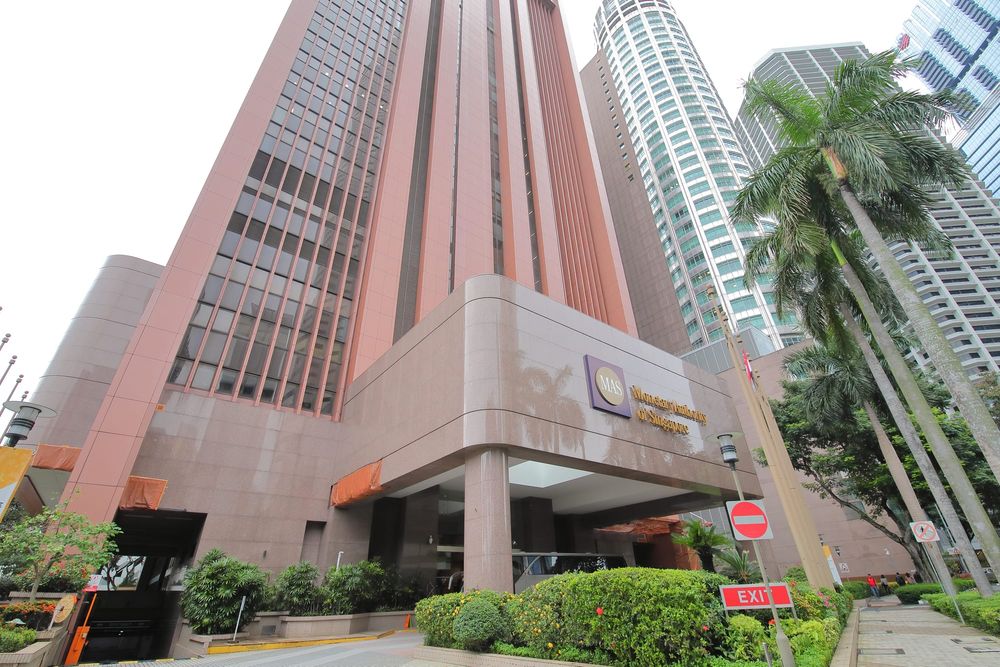
The Monetary Authority of Singapore imposed composition penalties totalling S$960,000 on five Major Payment Institutions licensed for cross-border money transfer services on 27 June 2025, the regulator confirmed in an enforcement notice published on its website. The action marks the first publicly reported MAS enforcement specifically targeting payment service providers under the Payment Services Act 2019 for anti-money laundering and counter-financing of terrorism failures, extending the regulator's enforcement reach beyond the traditional banking sector into the payments industry in a significant and closely watched development.
Individual penalties ranged from S$110,000 to S$260,000 per institution, with the variation reflecting differences in the nature, duration, and severity of the breaches identified at each firm. MAS did not disclose the identities of the five institutions subject to the penalties. The regulator confirmed that the violations occurred over a period stretching from March 2020 to August 2023, meaning the relevant conduct spanned both the period before and after the full implementation of the comprehensive regulatory framework established by the Payment Services Act.
FAILURES IN CUSTOMER SCREENING AND BENEFICIAL OWNERSHIP INQUIRIES
The AML/CFT deficiencies identified by MAS across the five institutions centred on two primary and interrelated areas of compliance failure. First, the affected payment institutions failed to screen their customers adequately against money laundering and terrorism financing information sources that licensed payment firms are required to consult as part of their customer acceptance and ongoing monitoring processes. Second, the institutions did not make sufficient or systematic inquiries into the beneficial ownership structures behind the accounts and entities using their platforms.
Both categories of failure relate directly to know-your-customer obligations that sit at the foundation of Singapore's AML regulatory framework and that are no less demanding for payment institutions than they are for banks. Payment firms handling cross-border money transfers are exposed to elevated financial crime risk by the nature of their business — the volume, speed, and cross-border character of the transactions they process create meaningful opportunities for abuse if customer due diligence and monitoring are inadequate. MAS has made clear that it regards payment institutions as subject to substantively equivalent AML obligations to those applicable to traditional banks.
FIRST ENFORCEMENT ACTION UNDER PAYMENT SERVICES ACT 2019
The broader significance of Tuesday's action lies in its status as the first publicly reported MAS enforcement case under the Payment Services Act 2019 for AML/CFT breaches. The Payment Services Act brought Singapore's entire payment sector — including electronic money issuers, digital payment token service providers, and cross-border money transfer operators — under a comprehensive licensing, conduct, and regulatory regime designed to ensure that the rapid growth of the payments industry did not create gaps in Singapore's financial crime defences. The enforcement action demonstrates that MAS treats the obligations under the Act as enforceable and consequential.
For the payment services industry in Singapore and across the region, the action delivers an unambiguous regulatory signal. Firms operating cross-border money transfer services are on notice that their customer screening and beneficial ownership procedures will be subject to active MAS scrutiny, and that material shortfalls will result in public enforcement action with financial consequences. The fact that MAS chose not to name the five institutions provides a degree of confidentiality for the firms involved but does not diminish the deterrent effect of a public announcement that places the entire sector on notice of the regulator's expectations and enforcement appetite.