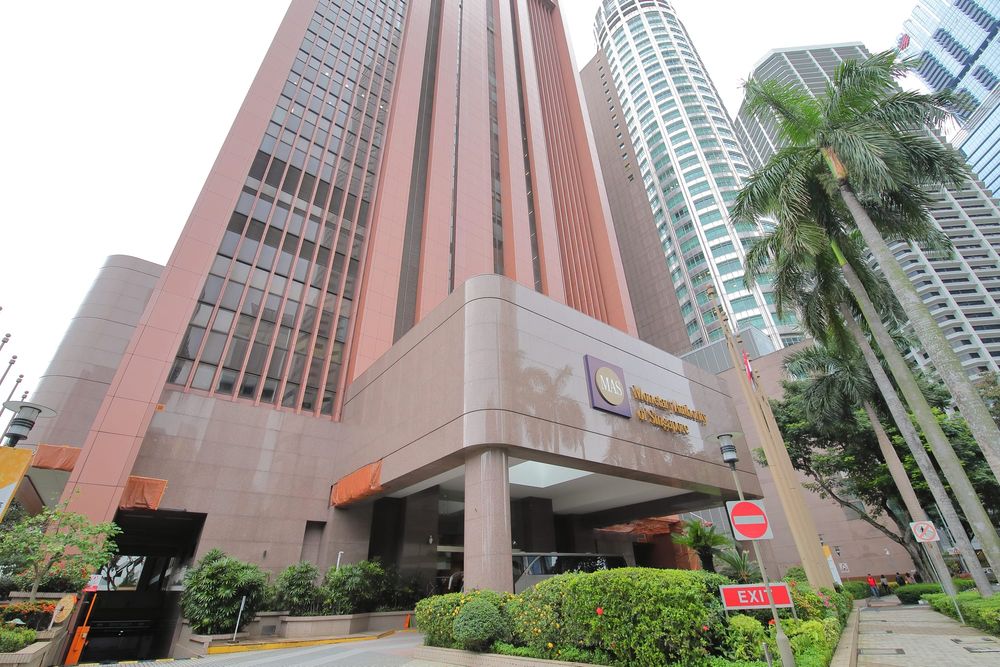
The Monetary Authority of Singapore has published its Sustainability Report 2025/2026, featuring the first joint scenario analysis of physical climate risks to the Singapore financial sector conducted with the International Monetary Fund. The report, released on the regulator's website, sets out MAS's strategy across climate resilience, the sustainable finance ecosystem and its own climate-resilient investment portfolio. It also updates progress on the Singapore-Asia Taxonomy and transition finance guidelines and describes the continuing greening of the MAS Official Foreign Reserves.
The scenario exercise with the IMF is the headline addition to this year's edition, marking the first time MAS has partnered with the Fund on modelling the physical impacts of climate change on Singapore's financial system. The analysis complements earlier transition-focused stress work and reflects the growing focus among supervisors on hazards such as heat, flooding and sea-level rise. It is intended to help inform the regulator's engagement with banks, insurers and asset managers on climate resilience.
PHYSICAL RISK ANALYSIS EXPANDS SUPERVISORY TOOLKIT
By pairing MAS's supervisory knowledge of the domestic financial system with the IMF's modelling capacity, the joint exercise seeks to bring together the macroeconomic and financial channels through which physical climate hazards can affect banks, insurers and capital markets. The output is intended to strengthen the analytical basis for supervisory dialogue and industry planning. It also positions MAS as one of the early movers among Asian supervisors on physical-risk scenario analysis at this level of detail.
The scenario analysis fits within MAS's broader climate resilience workstream, which has evolved over successive reports to cover transition risk assessments, industry engagement and the integration of climate considerations into financial stability assessments. Physical risk analysis addresses a set of channels that transition-only stress tests do not fully capture, from asset damage and business disruption to insurance loss distributions and credit outcomes on affected portfolios.
MAS said the report also details continuing progress on the greening of its Official Foreign Reserves, where climate-related considerations have been progressively embedded across investment mandates and manager selection. The reserves portfolio has become one of the more closely watched examples of climate-aware reserve management among Asian central banks, and the update in this year's report provides fresh insight into how those principles are being applied in practice.
TAXONOMY AND TRANSITION FINANCE MOVE FORWARD
The report sets out further progress on the Singapore-Asia Taxonomy, which classifies economic activities across climate mitigation objectives with the region's transitional realities in mind. The framework is intended to support consistent labelling and disclosure across sustainable finance products issued or distributed in Singapore and across the wider region. It has become an important reference point for banks and asset managers active in Asian sustainable finance.
Alongside the taxonomy, MAS has continued to develop transition finance guidelines aimed at supporting credible decarbonisation pathways for hard-to-abate sectors. The regulator has argued that transition finance is a critical piece of the sustainable finance agenda in Asia, given the region's industrial base and dependence on fossil fuels. The guidelines are intended to give financial institutions a clearer basis on which to underwrite transition-related exposures with confidence.
Taken together, the strands of work outlined in the report position Singapore as one of the more active jurisdictions on climate finance and supervision, with MAS acting as both a regulator and a large asset owner. The publication of the report is expected to feed into industry engagement over the coming months as banks, insurers and asset managers digest the physical risk analysis and taxonomy updates.