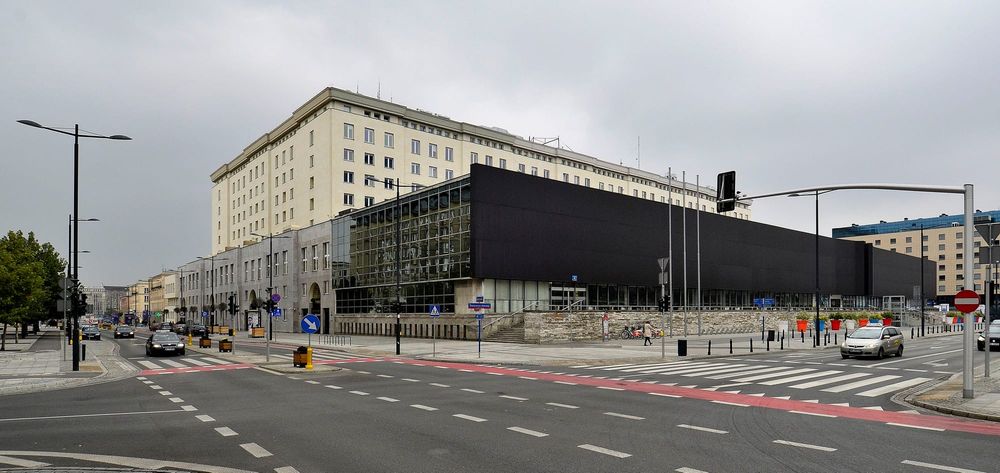
The National Bank of Poland kept its reference rate at 3.75 per cent on Wednesday, its second consecutive meeting on hold, with the Monetary Policy Council pointing to uncertainty around the geopolitical outlook as a reason for caution.
The Council also left the lombard rate at 4.25 per cent and the deposit rate at 3.25 per cent, maintaining the current corridor around the central reference rate. The two-day meeting was held on 5-6 May 2026.
MPC HOLDS FOR A SECOND MEETING
The decision marks the second consecutive meeting at which the MPC has left the reference rate unchanged, keeping policy in what officials in Warsaw have previously characterised as a wait-and-see mode. Members are weighing the trajectory of inflation, wage growth and domestic demand against the risks emanating from the external environment.
In its communication accompanying the decision, the Council cited uncertainty around the geopolitical outlook as a factor supporting caution on any further changes to policy. Poland's proximity to the war in Ukraine and its exposure to broader European security developments have been recurring themes in NBP commentary.
The reference rate of 3.75 per cent, the lombard rate at 4.25 per cent and the deposit rate at 3.25 per cent together define the pricing environment for zloty money markets, feeding through into mortgage rates and business lending in the Polish economy.
GEOPOLITICS ON THE MENU
The prominence given to the geopolitical outlook in the Council's statement reflects the extent to which regional security concerns are shaping the economic backdrop for Poland. Trade linkages, energy prices and defence spending are all live variables that feed into inflation and growth forecasts.
Polish policymakers have consistently signalled that they will make decisions based on the totality of incoming information. Holding the reference rate for a second meeting provides the MPC with additional time to assess whether the current stance is delivering the desired trajectory for inflation.
For markets, the hold at 3.75 per cent provides continuity in the policy setting but leaves open questions about the direction and timing of the next move. Investors will look to statements from the Governor and other Council members in the coming weeks for further colour on the reaction function.
The NBP's approach continues to reflect the specific challenges of a central and eastern European economy sitting close to a significant geopolitical fault line. The decision announced after the 5-6 May meeting keeps Poland's monetary policy stance stable for now, but the Council's language suggests that flexibility will be preserved as circumstances evolve.
For Polish banks, the hold at 3.75 per cent maintains the current framework for deposit and lending pricing and continues the recent period of stability in the policy rate. Household borrowers with variable-rate mortgages, a topic of significant public debate in Poland, similarly see no immediate change to their monthly repayment obligations from the decision.
Attention now turns to the NBP's future communications and to the flow of macroeconomic data from the Polish and euro area economies. The Council will meet again in the coming weeks, at which point it will revisit its assessment of the balance of risks around inflation, growth and financial stability.